
I remember the first time I realized how crucial stadium lights were during a late-night game under a flickering bulb.
Good stadium lights are LED floodlights with high lumen output, smart control systems, weather-resistant designs, and energy-efficient features, ensuring uniform brightness, cost savings, and long-lasting performance for large-scale sports events.
I quickly learned that LED lights were not just bright but also incredibly reliable and cost-effective. The shift to LEDs meant not only better visibility but also significant savings on energy bills. But choosing the right ones can be tricky. You need to look at specific features, like smart controls that let you adjust lighting levels remotely or rugged designs that withstand harsh weather. It's these little details that make all the difference when selecting the perfect lights for your sports venue. Let me walk you through what I've found works best.
LED lights reduce energy costs in stadiums by 50%.True
LEDs are energy-efficient, cutting costs significantly compared to traditional lighting.
Smart controls in stadium lights increase energy consumption.False
Smart controls optimize usage, reducing unnecessary energy consumption and enhancing efficiency.
How Does Lumen Output Affect Stadium Lighting?
Ever found yourself mesmerized by the glow of a stadium during a night game? That's all about lumen output, a key player in visibility and safety.
Lumen output directly influences the brightness and coverage of stadium lighting, which is essential for optimal visibility and safety. High lumens ensure even lighting across large areas, vital for both players and spectators.
%[A brightly lit outdoor sports stadium at night with enthusiastic fans and players on the field.]
The Role of Lumens in Stadium Lighting
When it comes to lighting up massive sports arenas, lumen output1 isn't just a technical term—it's the backbone of visibility. Think of lumens as the total light a bulb gives off. More lumens mean brighter lights, which is exactly what you need when you're trying to illuminate an entire football field or a basketball court.
Comparing Lumens with Other Metrics
I remember the first time I tried to understand how lighting works; it felt like a maze of numbers and jargon. But breaking it down, lumens tell you how much light you're getting overall, while lux measures how intense that light is in a specific area. It's like baking—you need the right balance of ingredients to get that perfect cake.
| Metric | Description |
|---|---|
| Lumens | Total light emitted |
| Lux | Light intensity per square meter |
Impact on Player Performance
Picture this: a crucial soccer match, the ball flying across the field, and every eye glued to its trajectory. Adequate lumen levels2 ensure players can track the ball without squinting through shadows or being blinded by glare. I’ve seen firsthand how a well-lit field can boost player confidence and performance, reducing mistakes that come from poor visibility.
Enhancing Spectator Experience
As someone who's spent countless nights in the stands, I can tell you there's nothing worse than missing out on key moments because of poor lighting. High lumen fixtures make sure every seat is a front-row seat when it comes to viewing clarity. No dark spots mean you get to enjoy every cheer-worthy moment without straining your eyes.
Safety Considerations
Safety is paramount, and here’s where those high-lumen lights come into play again. They help eliminate shadows where potential hazards could hide and are crucial for lighting up pathways and exits.
| Safety Aspect | Lighting Requirement |
|---|---|
| Pathways | Even illumination |
| Exits | Bright visibility |
Many stadiums now choose LED systems with smart controls to adjust lumen output based on what’s happening. It's like having a dimmer switch on life itself—concerts need one vibe, while a heated sports match requires another.
By integrating smart lighting3 systems, operators can fine-tune energy usage while keeping performance high. These systems allow for remote management, meaning lights can adapt in real-time to what’s needed.
Future Trends in Stadium Lighting
Looking ahead, technology promises even greater things for stadium lighting. Innovations will likely enhance both lumen efficiency and overall effectiveness, blending performance with sustainability. It’s exciting to think about how these advancements will not only brighten our nights but also lighten our environmental footprint.
Higher lumens reduce shadows in stadiums.True
High lumen output ensures even light distribution, minimizing shadows.
Lux measures total light emitted in stadiums.False
Lux measures light intensity per area, not total light emitted.
What Are the Benefits of Smart-Control LED Flood Lights?
Ever wondered how to make your outdoor spaces smarter and more secure?
Smart-control LED flood lights offer energy efficiency, remote control, enhanced security, and customizable settings. These benefits make them a cost-effective choice for illuminating outdoor areas while reducing operational expenses.
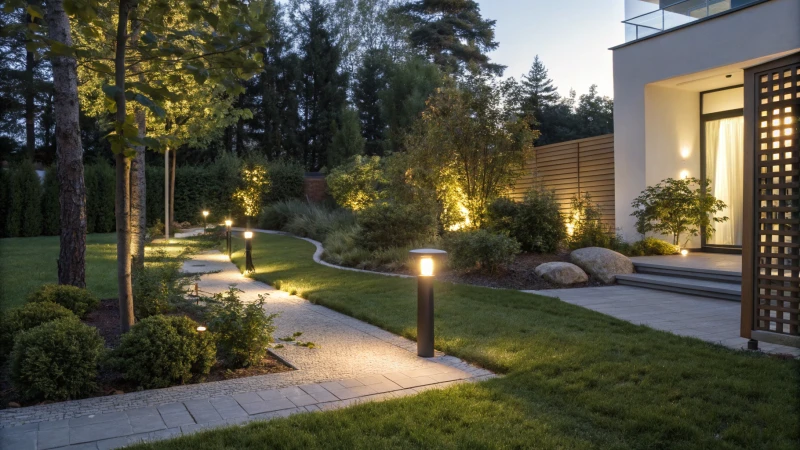
Energy Efficiency and Cost Savings
Let me tell you, I was skeptical at first. But once I saw the electricity bills drop, I was sold on smart-control LED flood lights. These lights are game-changers when it comes to energy efficiency. Using advanced control systems4, I can now schedule when the lights turn on, adjust the brightness to just what I need, and even automate them based on movement or how much light is already around. This has cut down my power usage more than I thought possible, saving money every month.
| Feature | Traditional Lighting | Smart-Control LED |
|---|---|---|
| Energy Consumption | High | Low |
| Operational Costs | High | Low |
Enhanced Security Features
Security has always been a priority for me, especially after a few close calls in the neighborhood. Integrating smart-control LED flood lights with my security system added a level of reassurance I didn't know I needed. The motion detection and real-time alerts5 have been phenomenal, making me feel like I've got an extra layer of protection against any unwanted visitors.
Remote Management and Convenience
There was this one time when I was halfway across the country for a work trip and realized I had forgotten to adjust my outdoor lights. With smart technology, no problem! Managing my lighting through a smartphone app or web interface has become second nature. Whether I'm at home or away, I can make sure the lighting is just right, providing unmatched convenience.
Customizable Lighting Settings
Every now and then, I like to entertain friends in the backyard, and having customizable lighting settings has been a delight. Whether it's setting a soft glow for evenings6 or dialing up the brightness for security during the night, these lights adapt to any situation, combining functionality with aesthetic appeal.
Long Lifespan and Durability
And let's not forget about durability. The LEDs in these lights are built to last. When paired with smart controls, their lifespan extends even further, requiring minimal maintenance. This is especially beneficial if you're like me and prefer minimal disruptions in your daily operations, whether for residential or commercial spaces.
In exploring these benefits, I've realized why smart-control LED flood lights are fast becoming a top choice for both homes and businesses alike. They not only enhance the beauty and functionality of spaces but also promise peace of mind through energy savings and security.
Smart LED lights reduce energy consumption by 50%.True
Smart-control LEDs use advanced systems to optimize energy usage, cutting consumption.
Traditional lights offer more customization than smart LEDs.False
Smart-control LEDs offer more customization with adjustable settings and schedules.
Why Is Weather Resistance Important for Stadium Lights?
Imagine standing in a massive stadium, lights illuminating every corner as the weather suddenly turns. Ever wonder how those lights withstand such harsh conditions?
Weather resistance is essential for stadium lights to maintain their performance and longevity in harsh conditions. Durable, weatherproof lighting ensures consistent illumination, enhances safety, and minimizes maintenance costs over time.
%[A modern sports stadium illuminated at night]
The Impact of Weather on Stadium Lighting
I remember a particularly stormy night at a football game. The wind howled, and rain lashed down, yet the stadium lights stood firm, unwavering in their glow. It struck me then how crucial weather resistance must be for these lights. Stadium lights face a barrage of environmental challenges like heavy rain and gusty winds. Without robust weather resistance, such conditions could lead to corrosion, electrical mishaps, or dimmed lights. Investing in high-quality materials7 like die-cast aluminum and tempered glass is key to shielding against the elements.
Material Durability
From my experience in the industry, I've learned that the durability of materials used in stadium lighting can make all the difference. Die-cast aluminum is excellent at resisting corrosion, while tempered glass can withstand impacts from debris or even the odd stray football. These materials are vital for keeping lights performing safely and efficiently.
| Material | Benefits |
|---|---|
| Die-cast Aluminum | Corrosion resistance |
| Tempered Glass | Impact protection |
Importance of IP Ratings
I've always found the technicalities of IP ratings fascinating. An IP (Ingress Protection) rating tells you how well a light is protected against dust and water. For stadium lights, an IP66 rating or higher is ideal, ensuring they can brave the elements during outdoor events.
- IP66: Guards against heavy rain
- IP67: Can handle temporary submersion
Understanding IP ratings8 is crucial when selecting lighting systems for arenas exposed to unpredictable weather.
Performance in Diverse Weather Conditions
Weather-resistant stadium lights are engineered to shine brightly no matter what Mother Nature throws at them. Whether it’s freezing cold or stormy, reliable lighting is crucial for safety and visibility during events.
- Rain: Prevents water damage and short circuits.
- Wind: Secure mounting helps prevent damage from movement.
Weatherproof designs9 are about more than just surviving; they ensure lights continue to function perfectly, no matter the weather.
Long-Term Cost Efficiency
When it comes to costs, investing in weather-resistant lighting is a no-brainer. From my perspective, it's all about reducing those pesky maintenance fees and avoiding frequent replacements. With fewer disruptions, facility managers can focus on delivering a stellar experience for everyone involved.
By choosing durable, high-IP rated lights, we can achieve enhanced operational efficiency10, ensuring that the show goes on without a hitch, rain or shine.
Die-cast aluminum prevents light corrosion.True
Die-cast aluminum offers excellent corrosion resistance, vital for durability.
IP66 rating protects against submersion.False
IP66 protects against heavy rain, not submersion; IP67 is for submersion.
How Can Energy Efficiency Reduce Stadium Lighting Costs?
Ever wondered how to keep those bright stadium lights shining without breaking the bank? Let me share what I've discovered.
Energy efficiency reduces stadium lighting costs by using LED lights that consume less power, offer longer life spans, and require less maintenance. Incorporating smart controls further optimizes energy use and reduces costs.
Transition to LED Lighting
I remember walking into a stadium once, mesmerized by how the lights made everything seem so vibrant and alive. But little did I know, behind that brilliance, those old metal halide lights were gobbling up electricity like there was no tomorrow. Fast forward to today, LEDs have become game-changers, cutting energy consumption by up to 75%. Imagine reducing your electric bill significantly while enjoying up to 50,000 hours of uninterrupted light—it's like having a superpower in your hands.
| Feature | Metal Halide | LED Lighting |
|---|---|---|
| Power Consumption | High | Low |
| Lifespan | 10,000 hours | 50,000 hours |
| Maintenance Needs | Frequent | Minimal |
LED lighting stands out for its energy efficiency. Traditional stadium lights consume large amounts of electricity. LEDs are a cost-effective alternative11 due to their longer lifespan and reduced maintenance costs.
Smart Control Systems
I’ve always been fascinated by technology that makes life easier. Think of smart control systems as your trusty sidekick in managing stadium lighting efficiently. These systems can dim or schedule lighting based on the event type, ensuring you're not only saving money but also providing the best experience for everyone in the stadium. With an additional 20% reduction in energy use, it's like finding money in your pocket you didn’t know you had.
Using smart controls can lead to an additional 20% reduction in energy use, creating substantial savings12 for facility managers.
High Lumen Output with Lower Wattage
I once watched a night game where the field was so perfectly lit; it felt like daylight. That’s the power of modern LED flood lights—they offer high lumen output with lower wattage, ensuring uniform brightness across large fields without wasting energy. It's like having a magic wand that lights up massive areas effortlessly.
| Specification | Traditional Lights | Modern LEDs |
|---|---|---|
| Lumen Output | Variable | High |
| Energy Efficiency | Moderate | High |
Adopting these technologies not only reduces operating costs but aligns with sustainability goals. The eco-friendly nature of LED lights means they reduce carbon footprint compared to traditional lighting solutions. Emphasizing energy-efficient practices can be a key differentiator for stadiums looking to improve their environmental impact13.
LED lights reduce energy consumption by 75%.True
LEDs consume less power than traditional lights, cutting energy use by up to 75%.
Smart controls decrease energy costs by 50%.False
Smart controls can reduce energy use by 20%, not 50%, through optimized usage.
Conclusion
LED stadium lights offer exceptional brightness, energy efficiency, and durability. Features like smart controls and high IP ratings enhance performance, ensuring optimal visibility for players and spectators in all conditions.
Explores how lumen output determines brightness and coverage essential for stadium lighting. ↩
Provides guidelines on optimal lumen levels to enhance player performance and safety. ↩
Discusses advanced lighting controls that adjust lumen output based on event needs. ↩
Learn about the mechanisms that enable smart LED lights to reduce energy consumption and improve efficiency. ↩
Discover how real-time alerts in smart lighting enhance security by notifying you of unusual activity. ↩
Explore ways to customize your smart lighting for various moods and occasions with scene settings. ↩
Learn how die-cast aluminum enhances corrosion resistance, improving durability. ↩
Discover how IP ratings protect against environmental factors like dust and water. ↩
Explore design elements that make stadium lights withstand harsh weather. ↩
Find out how investing in quality lighting reduces long-term costs. ↩
Learn how LED lights drastically cut energy consumption compared to traditional lighting options. ↩
Explore how smart controls optimize stadium lighting for enhanced energy efficiency and cost savings. ↩
Discover how transitioning to LED lighting can lower your stadium's carbon footprint. ↩