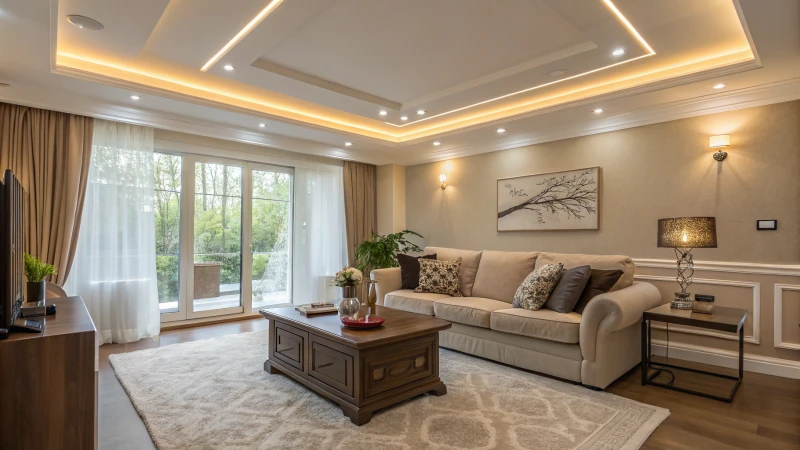
Wading through the sea of recessed lighting options today can feel like finding a needle in a haystack.
In 2025, when sourcing recessed light fixtures for large-scale projects, prioritize energy-efficient LEDs with smart control integration, certifications for durability, and cost-effective long-term value over initial price. Look for manufacturers offering customizable designs and flexible options for diverse applications.
Every time I embark on a new lighting project, I feel like I'm starting an adventure. It’s not just about picking out some lights; it’s about creating a mood and an ambiance. I remember when I upgraded my office lighting to LED; the energy savings were immediately noticeable on my bills, and the quality of light made working late nights less tiring.
Delving deeper into features and trends helps me stay ahead. Things like adjustable beam angles and smart integration aren’t just buzzwords—they genuinely make a difference in how a space feels and functions. Trust me, understanding these can transform any room into something truly spectacular.
LED lights offer the best energy efficiency for 2024.True
LEDs are known for their superior energy efficiency and longevity.
Smart systems are unnecessary for recessed lighting in 2024.False
Smart systems enhance energy management and convenience in lighting.
What Are the Latest Trends in Recessed Lighting?
Have you ever caught yourself marveling at the subtle charm of recessed lighting? Well, you're not alone!
The latest trends in recessed lighting revolve around energy-efficient LEDs, smart controls, and customizable designs. These innovations promise both aesthetic beauty and practical benefits, making them ideal for any space.
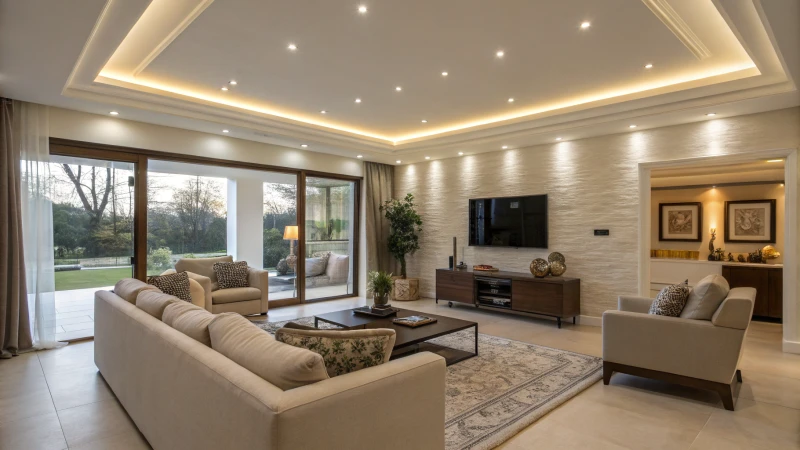
Energy-Efficient LED Evolution
I remember the first time I switched to LED recessed lights—what a revelation! Not only did they slash my energy bills, but they also outlasted those old bulbs by what felt like forever. Today’s LEDs are 25% more efficient than just a couple of years ago, meaning even more savings and fewer trips up the ladder to replace them. Plus, with a 50,000-hour lifespan, it’s like they’re the Energizer bunnies of the lighting world.
| Feature | Benefit |
|---|---|
| 25% More Efficient | Lower energy bills |
| 50,000-hour Lifespan | Fewer replacements |
Explore the energy-saving benefits1 of modern LED technology.
Smart Control Systems
Imagine adjusting your home’s lighting with just your voice or a quick tap on your phone. That’s the reality with smart control systems. I once had a guest over who marveled at my lights dimming automatically as we settled in to watch a movie—it was like having my own lighting technician on hand! These smart systems integrate seamlessly with IoT and building management setups, cutting energy use by about 30%.
- Integration: Seamlessly connects with existing smart home setups.
- Savings: Substantial reduction in energy consumption over time.
Explore how smart lighting2 can enhance your home or business environment.
Customizable Designs for Large Projects
When I tackled a large office space remodel, customizable recessed lighting was a game-changer. With adjustable beam angles and trim designs, I could ensure every corner was perfectly lit, avoiding those pesky dark patches that make spaces feel smaller. It's all about choosing manufacturers who understand your specific needs and can tailor their solutions accordingly.
| Design Aspect | Importance |
|---|---|
| Adjustable Beam | Uniform lighting |
| Flexible Trim | Aesthetic appeal |
Discover options for custom lighting solutions3.
Certification and Durability Considerations
A while back, I learned the hard way about the importance of certifications. After a few dud purchases without UL and CE marks, I faced unexpected downtimes—yikes! Now, I always prioritize certified products to ensure reliability and avoid costly replacements.
Ensure your choices meet certification standards4.
Total Lifecycle Cost vs Initial Price
Back in 2024, there was this big shift toward considering the total lifecycle cost over just the initial price. Trust me, investing in high-quality LEDs pays off big time. Over five years, you could slash operating costs by up to 50%. It's like buying peace of mind!
| Consideration | Benefit |
|---|---|
| Lifecycle Cost | Long-term savings |
| Product Longevity | Reduced operating costs |
Explore why considering lifecycle costs5 can be beneficial for your projects.
Whether you're sprucing up a home or managing a massive commercial project, these trends offer incredible opportunities to enhance both aesthetics and functionality. Why settle for anything less than the best? Let's light up our lives—literally!
LED lights are now 25% more efficient than two years ago.True
Modern LED technology has improved, leading to greater energy efficiency.
Smart lighting systems reduce energy use by 50% on average.False
Smart lighting cuts energy use by 30% on average, not 50%.
How Do Smart Control Systems Enhance Lighting Efficiency?
Have you ever wondered how smart control systems can change the way we light up our spaces, making them more efficient and eco-friendly? Let me take you on a journey to discover how these systems work wonders for both energy and cost savings.
Smart control systems enhance lighting efficiency by leveraging sensors and automated adjustments according to occupancy and ambient light. This technology cuts energy use by up to 30%, optimizing lighting performance, especially in commercial spaces.
%[A modern office with smart lighting and large windows]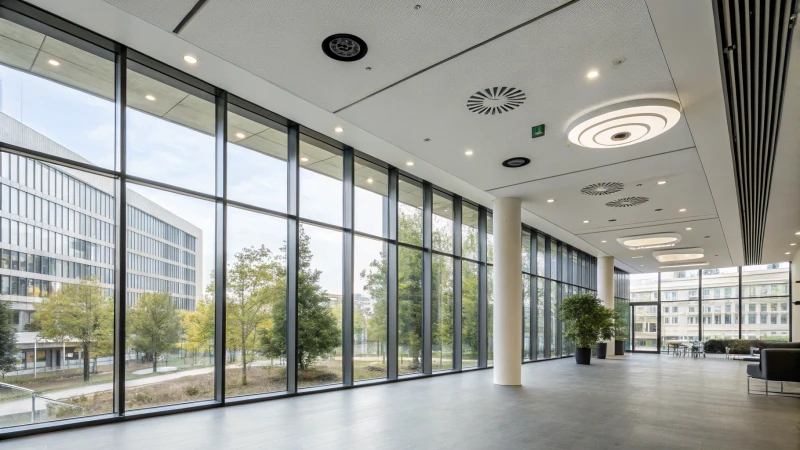
Understanding Smart Control Systems
Imagine walking into a room and having the lights greet you, perfectly adjusted to the natural daylight filtering in. That's what smart control systems do. They utilize cutting-edge technologies like IoT (Internet of Things) and BMS (Building Management Systems) to manage lighting in real-time. By adjusting based on occupancy and available light, they ensure every watt counts.
Benefits of Automated Adjustments
I remember walking through an office late at night, the lights automatically dimming behind me, like a gentle reminder that the building was winding down for the day. These automated adjustments not only conserve energy but also extend the lifespan of lighting fixtures by reducing unnecessary usage.
- Energy Savings: Imagine the relief of knowing that lights automatically turn off in unoccupied rooms, slashing energy bills by an impressive 30%.
- Extended Fixture Lifespan: This feature isn't just about saving energy; it's about extending the life of your fixtures and cutting down maintenance costs.
| Feature | Benefit |
|---|---|
| Energy savings | Reduced energy consumption |
| Extended fixture lifespan | Lower maintenance costs |
Integration with Building Management Systems (BMS)
Smart lighting systems aren't isolated; they're part of a larger ecosystem. Think of them as team players in a Building Management System that offers centralized control, enhancing overall efficiency and simplifying management.
Practical Examples and Applications
In bustling offices or expansive industrial facilities, smart control systems offer tailored solutions. Consider how adaptive beam angles6 allow precise control over lighting intensity to match specific needs.
Customization for Large Projects
For those of us tackling large-scale projects, the flexibility of smart systems is a game-changer. Imagine customizing everything from beam angles to trim designs to ensure uniform lighting in complex environments like commercial halls.
Explore how customizable lighting solutions7 can boost efficiency in large-scale projects by adapting to unique architectural designs and requirements.
Ensuring Compliance and Longevity
Choosing products with UL and CE certifications isn’t just about compliance; it’s about peace of mind. These certifications assure that your smart systems are durable and meet safety standards, reducing the risk of costly replacements.
Check out why certified smart systems8 are essential for avoiding frequent fixture replacements, especially in large-scale deployments.
Smart systems reduce lighting energy by 30%.True
Smart control systems adjust lighting based on occupancy, reducing usage.
BMS integration complicates lighting management.False
Integration with BMS simplifies management by centralizing control.
Why Should You Prioritize Energy Efficiency When Choosing Recessed Lights?
I remember when I swapped out my old lights for energy-efficient ones—my utility bill thanked me, and so did the planet!
Energy-efficient recessed lights, like LEDs, can slash electricity costs by up to 80%, extend bulb lifespan significantly, and support a greener environment. Choosing these options isn't just good for your wallet—it's a win for sustainability too.

The Economic Impact of Energy Efficiency
Switching to energy-efficient recessed lights was a game-changer for me. Imagine cutting down your electricity bill by 80%—that's what happened when I switched to LEDs from traditional bulbs. Understanding energy savings9 with LEDs not only reduced my costs but also eased the financial strain on larger projects.
Environmental Benefits
Each time I opt for energy-efficient lighting, it feels like a small victory for the planet. LEDs help reduce our carbon footprint by emitting less heat and using fewer resources. It’s a step towards sustainability that makes me proud of my contribution. Explore eco-friendly options10 that align with sustainable practices while supporting our planet.
Lifespan and Maintenance Considerations
LED recessed lights are true champions of longevity, boasting up to 50,000 hours of operation. The time I save on replacements and maintenance is significant—especially in big projects where every minute counts. Check out how longevity impacts savings11 to see how these lights can be a long-term investment.
| Type | Average Lifespan (hours) | Energy Use |
|---|---|---|
| LED | 50,000 | Low |
| CFL | 8,000 | Medium |
| Incandescent | 1,000 | High |
Integration with Smart Systems
I love smart technology! Integrating smart recessed lighting systems into my projects has given me advanced control over energy consumption. The ability to automate adjustments based on usage patterns has been both fascinating and cost-saving. Learn more about smart system integration12 to see how it can optimize efficiency.
Total Lifecycle Cost Analysis
I've learned that considering the total lifecycle cost is crucial. Though initial costs might seem high, energy-efficient options offer lower long-term expenses. It’s an investment that pays off by saving up to 50% in operating costs over five years. Analyze lifecycle costs13 to better understand these financial benefits.
LED recessed lights use 80% less energy than incandescent bulbs.True
LEDs are highly efficient, consuming significantly less energy than traditional bulbs.
CFL lights have a longer lifespan than LED lights.False
LEDs last up to 50,000 hours, far exceeding the 8,000-hour lifespan of CFLs.
What Certifications Ensure Quality and Durability in Light Fixtures?
Choosing the right light fixtures isn't just about style; it's about ensuring quality and longevity through the right certifications.
When selecting light fixtures, look for certifications like UL, CE, and ENERGY STAR. These ensure safety, adherence to international standards, and energy efficiency, promising high-quality and durable products.

Understanding Key Certifications
Imagine walking into a room and feeling that warm glow—knowing it's not just beautiful but safe and efficient too. That's what certifications like UL, CE, and ENERGY STAR offer. When I first started exploring lighting options, I quickly learned that these certifications are like the seal of approval you want when investing in light fixtures. They promise quality, safety, and peace of mind.
UL Certification: Think of this as a trusted friend in the lighting world. It reassures you that the product has met stringent safety standards set by Underwriters Laboratories14, keeping electrical hazards at bay.
CE Marking: If you're like me, always looking at the bigger picture, especially if your projects extend into Europe, the CE mark is essential. It signals that the product adheres to EU health, safety, and environmental standards.
ENERGY STAR: For someone who juggles both cost and sustainability, this certification is a game-changer. It indicates top-notch energy efficiency, translating into lower energy bills and a reduced carbon footprint.
The Role of Testing Labs
During my journey to understand lighting better, I realized the importance of testing labs. These are the unsung heroes ensuring your light fixtures won't let you down:
| Laboratory Name | Specialization | Location |
|---|---|---|
| Intertek | Safety Testing | Global |
| TÜV Rheinland | Quality Certification | Germany, Global |
| CSA Group | Compliance Testing | Canada |
These labs conduct thorough tests confirming that what you're buying is both safe and efficient. Their certifications are globally recognized and trusted.
How Certifications Influence Purchasing Decisions
Working on commercial projects15 has taught me that certified light fixtures can save you from a lot of headaches down the line. They're more reliable and require less maintenance, which means lower costs over time. Plus, choosing energy-saving certified fixtures can lead to significant reductions in operational expenses.
Certifications also bolster consumer trust. In fields where safety and performance are critical, like lighting, certified products help companies enhance their reputation while meeting regulatory requirements.
Expanding Your Knowledge on Certifications
Diving into the world of certifications can feel overwhelming at first. I've been there! But gaining this knowledge is vital for making informed choices. Engaging with industry resources offers valuable insights into certification standards. Organizations like ANSI16 provide guidelines to help navigate these waters.
Whether you're a contractor searching for reliable lighting solutions17 or a developer aiming to integrate energy-efficient systems, understanding these certifications can significantly impact your project's success.
UL Certification ensures electrical safety in light fixtures.True
UL Certification indicates rigorous testing by Underwriters Laboratories.
ENERGY STAR certification is mandatory in the European Economic Area.False
CE Marking, not ENERGY STAR, is required in the European Economic Area.
Conclusion
In 2024, choose recessed lighting by focusing on energy-efficient LEDs, smart control systems, customizable designs, and certified products to enhance ambiance and reduce costs.
This link provides insights into how energy-efficient LEDs reduce utility costs and improve environmental impact. ↩
Learn about integrating smart lighting with home automation for enhanced control and efficiency. ↩
Discover various customizable options for recessed lighting tailored to commercial needs. ↩
Understand the importance of certifications in ensuring product reliability and safety. ↩
Explore how considering lifecycle costs can lead to significant long-term savings. ↩
Discover how adaptive beam angles enhance lighting customization, providing tailored solutions for diverse environments. ↩
Explore customizable lighting solutions that adapt to unique architectural designs, boosting efficiency. ↩
Learn why certified systems ensure reliability and prevent frequent replacements in extensive deployments. ↩
Discover how LED lighting can lead to significant reductions in electricity bills and operational costs. ↩
Understand how switching to LED lighting supports eco-friendly initiatives and sustainable development. ↩
Learn about the extended lifespan of LED lights compared to traditional incandescent bulbs. ↩
Explore how integrating smart systems can enhance the efficiency and functionality of your lighting setup. ↩
Evaluate the long-term cost benefits of investing in energy-efficient LED lighting solutions. ↩
UL certification ensures a product meets stringent safety standards, preventing potential hazards. ↩
Certified fixtures ensure reliability and cost-effectiveness, crucial for large-scale projects. ↩
ANSI offers comprehensive guidelines for understanding and implementing lighting standards. ↩
Certifications highlight energy-efficient lighting solutions, promoting sustainability and cost savings. ↩