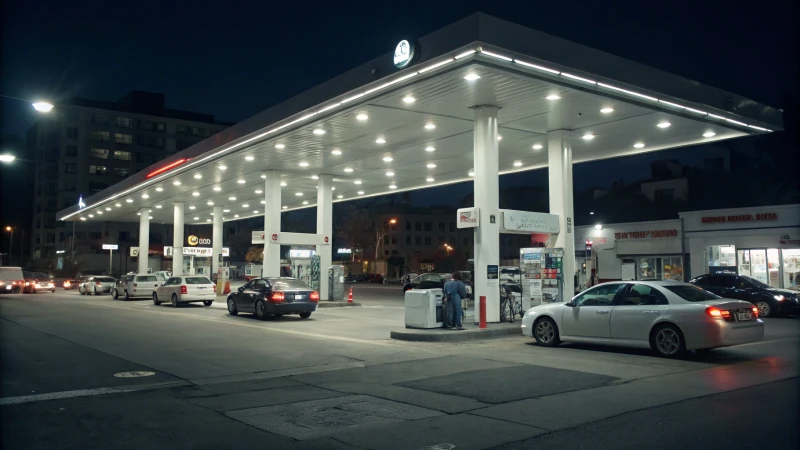
Remember the last time you drove into a well-lit gas station at night? That's the magic of LED canopy lights.
LED canopy lights are ideal for high-traffic locations like gas stations, parking garages, warehouses, and airports. They offer energy savings, long lifespan, and high-intensity illumination, which enhances safety and reduces maintenance costs in commercial, industrial, and public infrastructure projects.
There was a time when I was responsible for updating a local gas station's lighting system. The difference was night and day—literally. As the new LED canopy lights flickered to life, the entire place felt safer and more inviting. These lights aren't just about brightness; they're about creating an atmosphere where people feel comfortable and secure, whether they're fueling up their cars or navigating through parking garages.
Beyond gas stations, LED canopy lights excel in parking garages and industrial sites where visibility is paramount. They’re incredibly durable, reducing the hassle of frequent replacements, and their energy efficiency is a win for both the environment and your pocket. In warehouses and loading docks, these lights not only enhance safety but also keep operational costs down, ensuring the workflow is never interrupted. So next time you're evaluating lighting solutions, think of LED canopy lights as more than just a fixture; they’re a game-changer for any high-traffic environment.
LED canopy lights are best for residential use.False
LED canopy lights are more suited for commercial and industrial areas.
Gas stations benefit from LED canopy lights' energy efficiency.True
LEDs provide bright, efficient lighting, ideal for high-traffic areas like gas stations.
How Do LED Canopy Lights Enhance Safety in High-Traffic Areas?
Imagine driving into a dimly lit parking garage or gas station—LED canopy lights can transform that experience entirely.
LED canopy lights enhance safety in high-traffic areas by delivering bright, consistent lighting that boosts visibility and reduces accidents. They are energy-efficient, durable, and require minimal maintenance compared to traditional lighting.
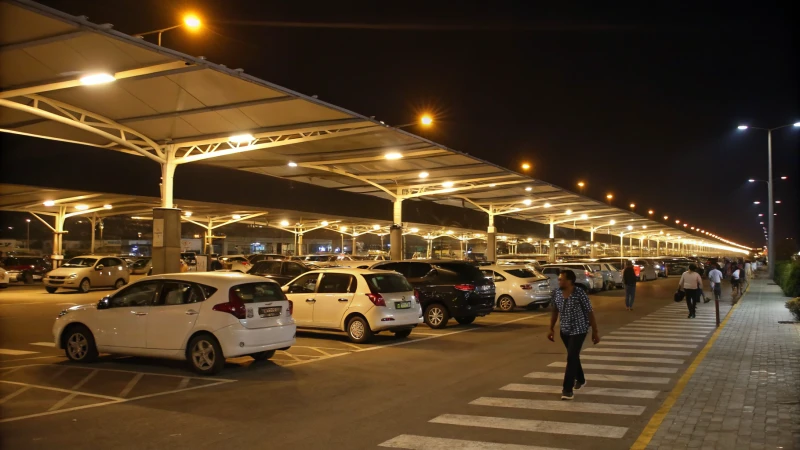
Enhanced Visibility
You know those moments when you're trying to park at a parking garage1 or navigate a gas station at night, and it feels like you're in a game of hide-and-seek with the shadows? That's where LED canopy lights come in. They flood these spaces with bright, even light, eliminating dark spots that could hide potential hazards. This isn't just about convenience—it's about safety for drivers and pedestrians alike.
| Lighting Feature | LED Canopy Lights | Traditional Lights |
|---|---|---|
| Brightness | High | Moderate |
| Energy Efficiency | Up to 80% saving | Low |
| Durability | Long-lasting | Short lifespan |
Energy Efficiency
I remember the first time I saw the energy bill after switching to LEDs in an industrial warehouse2—it was like night and day. LEDs consume far less energy than other lighting types, which means lower bills and a smaller carbon footprint. Even though they use less power, they don’t skimp on performance, keeping areas like loading docks brightly lit without interruption.
Durability and Reliability
Let's talk about how tough these lights are. They're built to last, making them perfect for places like airports and train stations where you can't afford frequent maintenance disruptions. I've seen them withstand extreme temperatures without batting an eyelid. They’re reliable partners in places where lighting is critical to operations.
Safety Enhancements
LEDs are more than just bright—they're smart. With reduced glare and shadows, they help prevent accidents at retail entrances3 and other busy spots. Plus, they can be synced with motion sensors to adjust brightness based on activity, adding another layer of safety.
Practical Applications
Think about ports and container terminals where activities never stop. LED canopy lights ensure there’s no dip in illumination, aiding in navigation and security4. They switch on instantly, crucial in environments where any delay can impact safety or efficiency. It's amazing how such a simple switch can make such a big difference in high-traffic areas.
LED canopy lights reduce energy costs by 80%.True
LEDs are highly efficient, reducing energy consumption significantly compared to traditional lights.
Traditional lights last longer than LED canopy lights.False
LEDs are more durable and have a longer lifespan than traditional lighting solutions.
What Are the Energy-Saving Benefits of Using LED Canopy Lights?
Have you ever wondered how much energy and money you could save by switching to LED canopy lights?
LED canopy lights offer significant energy savings by using up to 80% less electricity compared to traditional lighting. They ensure high-quality illumination while reducing operational costs and maintenance needs, making them a smart choice for commercial spaces.

Enhanced Energy Efficiency
I remember the day I decided to switch the lighting in my commercial spaces to LED canopy lights. Initially, it was the promise of reduced energy bills that caught my attention. These lights transform more electricity into visible light, unlike the old ones that wasted so much energy. This means less electricity wastage and lower energy bills—something that's particularly crucial in places like gas stations and parking garages5 where lights are on all the time.
| Lighting Type | Energy Consumption |
|---|---|
| Traditional | High |
| LED | Low |
Longer Lifespan
Then, there's the longevity. One of the biggest hassles for me was constantly having to replace bulbs, which not only cost money but also time and effort. LED canopy lights have changed that with their impressive lifespan, often exceeding 50,000 hours. Imagine not having to worry about replacements for years! This feature is a game-changer, especially for areas like warehouses and distribution centers6 where operational downtime is a huge concern.
Smart Lighting Integration
Another aspect that won me over was their compatibility with smart control systems. The convenience of automated dimming and motion sensors means lights only come on when needed, saving even more energy. Plus, it's fun to see technology work its magic, optimizing every watt consumed in sustainable construction projects7.
Environmental Benefits
I'm also quite passionate about sustainability, so knowing that LEDs contain no harmful substances like mercury gives me peace of mind. Their efficiency significantly reduces carbon emissions, aligning with my eco-friendly goals. Adopting LED technology has been a small step towards a greener future.
| Feature | Benefit |
|---|---|
| Mercury-Free | Environmentally safe |
| Energy-Efficient | Reduced carbon emissions |
Cost-Effectiveness
Initially, I hesitated because the upfront cost of LED lights seemed steep compared to traditional options. But over time, the savings on energy bills and reduced maintenance made it clear how cost-effective they truly are. It felt good seeing the return on investment in large-scale infrastructure projects8 like airports and train stations.
Impact on Operational Costs
The real clincher was the impact on operational costs. Running 24/7 operations, like ports and container terminals, demands reliable lighting. LED canopy lights have been indispensable in reducing both energy and labor expenses. It’s amazing how these savings enhance overall profitability.
Switching to LED canopy lights has been one of the smartest decisions I've made for my business. They’ve not only helped in slashing energy use and cutting down maintenance costs but also supported sustainable business practices. If you're considering making the switch, I can assure you—it’s worth it.
LED canopy lights reduce energy consumption by 80%.True
LEDs use advanced technology to convert more electricity into light, reducing waste.
LEDs contain harmful substances like mercury.False
LEDs are mercury-free, making them safer for the environment.
Why Are LED Canopy Lights Ideal for Industrial and Logistics Applications?
Imagine walking into a vast warehouse or busy loading dock, where bright and reliable lighting ensures every corner is visible and every task runs smoothly.
LED canopy lights are perfect for industrial and logistics settings due to their energy efficiency, toughness, and ability to deliver steady, top-notch lighting in large areas. They boost safety and productivity while cutting down maintenance costs.
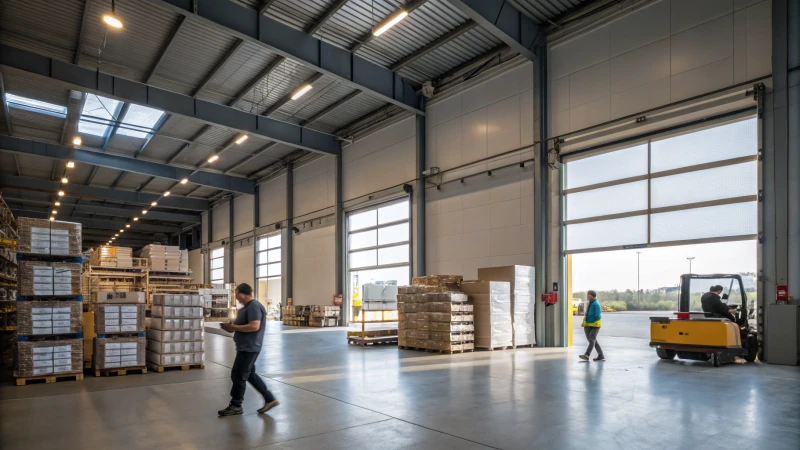
Energy Efficiency and Cost Savings
You know how exciting it is to watch the electric bill drop after switching to LEDs. These lights are champs at saving energy—up to 80% less than those old-school bulbs. I remember the first month I saw the savings on paper; it was like finding money you didn't know you had!
Table: Energy Savings Comparison
| Lighting Type | Energy Consumption | Cost Savings (%) |
|---|---|---|
| Traditional | High | 0% |
| LED Canopy | Low | Up to 80% |
It's not just about the money; it's about doing our bit for the planet. Each LED switch-off is a step towards a smaller carbon footprint.
Durability in Harsh Conditions
Ever had a light bulb go out just when you needed it the most? LED canopy lights are built tough, making them perfect for gritty environments. They can last over 50,000 hours—that’s like five and a half years of non-stop lighting! So, whether it’s a warehouse or a loading dock9, these lights stick around, saving us from frequent trips up the ladder.
Enhanced Safety and Productivity
I can't emphasize enough how vital clear lighting is for safety. In warehouses10 where every shadow could hide a potential hazard, LEDs provide the kind of clarity that helps everyone stay alert and productive. Plus, they flick on instantly—none of that slow warm-up nonsense.
Versatility in Application
What's great about LED canopy lights is their adaptability. I've seen them used in all sorts of places—from gas stations11 to parking garages. They mold to the needs of each space effortlessly. And with smart controls, tailoring the brightness to the moment’s need becomes a breeze.
Environmental Impact
Switching to LED canopy lighting isn't just a win for us; it's a win for the Earth too. They use less energy and have recyclable components, aligning perfectly with sustainable practices. In today's industrial landscape12, that's an edge that helps facilities shine—literally and figuratively.
LED canopy lights save up to 80% energy costs.True
LEDs are more efficient than traditional lighting, reducing energy use significantly.
LEDs require frequent replacements in industrial settings.False
LEDs have a long lifespan, often exceeding 50,000 hours, minimizing replacements.
How Do LED Canopy Lights Contribute to Sustainable Public Infrastructure?
LED canopy lights are more than just fixtures; they're the unsung heroes transforming our public spaces into beacons of sustainability.
LED canopy lights contribute to sustainable public infrastructure by providing energy efficiency, durability, and improved safety, all while lowering carbon footprints and operational costs, ultimately enhancing the quality of urban life.
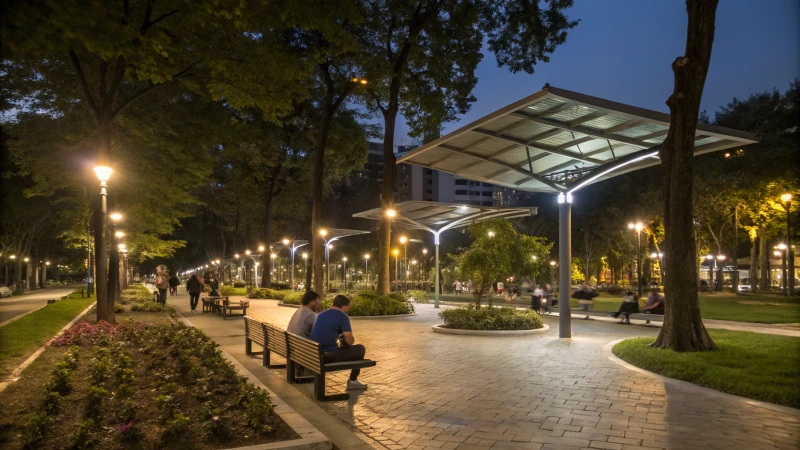
Energy Efficiency and Cost Savings
I remember the first time I switched to LED lighting in my own space. The immediate drop in my electricity bill was astounding. Imagine that on a city-wide scale! LED canopy lights are game-changers for urban infrastructure due to their impressive energy efficiency13. Unlike the old-school lighting systems, LEDs sip power lightly, cutting electricity consumption and emissions significantly.
| Lighting Type | Average Energy Consumption |
|---|---|
| Traditional Bulbs | 100 watts |
| LED Canopy Lights | 20 watts |
These savings mean that municipalities can redirect those funds to other community needs. It's like finding money under the couch cushions but on a grander scale.
Durability and Low Maintenance
The longevity of LED lights is something I can't praise enough. Once, during a family road trip, I noticed how parking garages and gas stations had transitioned to LEDs. It struck me how these lights endure constant use without demanding frequent replacements—up to 50,000 hours of brilliance! This means fewer disruptions and maintenance costs, keeping things running smoothly.
- High-Traffic Areas: Gas stations and parking garages benefit immensely from durable LED lights that withstand everyday wear.
- Harsh Environments: Industrial sites rely on LEDs' ability to brave extreme temperatures and weather conditions.
Enhanced Safety and Visibility
Safety first, as they say. LED canopy lights play a pivotal role in brightening up public spaces, thereby reducing accident risks. I’ve seen their high-intensity glow at airports and train stations, making travel safer for everyone involved. It's reassuring to know these lights maintain their brightness over time, unlike traditional bulbs that fade away.
- Consistency: LEDs shine consistently bright, ensuring every corner is well-lit.
- Adaptability: Smart lighting systems tweak brightness based on surroundings, keeping visibility optimal.
Environmental Impact Reduction
Adopting LED technology is like giving a big hug to Mother Earth. These lights help in reducing carbon emissions14 drastically. They’re made without hazardous materials, which means they align perfectly with eco-friendly goals.
| Environmental Benefits | Details |
|---|---|
| Reduced Carbon Footprint | Lower energy consumption equals fewer emissions |
| No Hazardous Materials | Safe disposal and recycling potential |
| Supports Renewable Energy | Compatible with solar power systems |
For urban planners committed to eco-conscious development, LEDs offer a pathway towards a greener future.
Applications in Public Infrastructure
LED canopy lights are versatile champs. From retail entrances to bustling industrial sites, their applications are vast:
- Retail & Commercial Entrances: They add curb appeal while cutting down electricity bills.
- Airports & Train Stations: Offer dependable lighting in high-traffic zones.
- Ports & Dockyards: Efficiently cater to round-the-clock operational demands.
Every application underlines how LEDs are revolutionizing public infrastructure by boosting efficiency and sustainability. Dive into more about smart lighting systems15 that fit seamlessly into existing setups to optimize performance while minimizing environmental impacts.
LED canopy lights use 80% less energy than traditional bulbs.True
LEDs consume 20 watts compared to 100 watts for traditional bulbs.
LED canopy lights last only 10,000 hours.False
They last up to 50,000 hours, reducing replacement frequency.
Conclusion
LED canopy lights enhance safety and visibility in high-traffic areas like gas stations, parking garages, and industrial sites, offering energy efficiency and durability while reducing operational costs.
Understand how LEDs improve safety and reduce operational costs in parking facilities. ↩
Explore the advantages of using LED lights in warehouses to enhance worker safety and efficiency. ↩
Discover how LED lights enhance security and appeal at commercial entry points. ↩
Find out why ports rely on LEDs for continuous, reliable lighting operations. ↩
Discover how LED lights optimize energy use in commercial spaces like gas stations, ensuring safety and visibility while saving energy. ↩
Learn why LEDs are ideal for warehouses with their long lifespan and energy efficiency, reducing costs in high-use environments. ↩
Explore how smart systems enhance LED functionality, offering automation and efficiency for sustainable building projects. ↩
Find out how LEDs provide long-term cost benefits in large infrastructure settings by lowering energy and maintenance expenses. ↩
Discover how LED lighting enhances safety and operational efficiency in loading docks, crucial for industries aiming to minimize accidents. ↩
Learn how LED lighting improves productivity and safety in warehouse settings, vital for efficient operations. ↩
Explore the role of LED canopy lights in gas stations, enhancing visibility and safety while reducing energy costs. ↩
Understand the environmental benefits of LEDs in industry, supporting sustainability goals. ↩
Learn about the mechanisms through which LED lights achieve superior energy efficiency compared to other lighting technologies. ↩
Understand how switching to LED lighting can significantly reduce carbon emissions in urban areas. ↩
Discover how smart lighting systems enhance the functionality and sustainability of public spaces. ↩