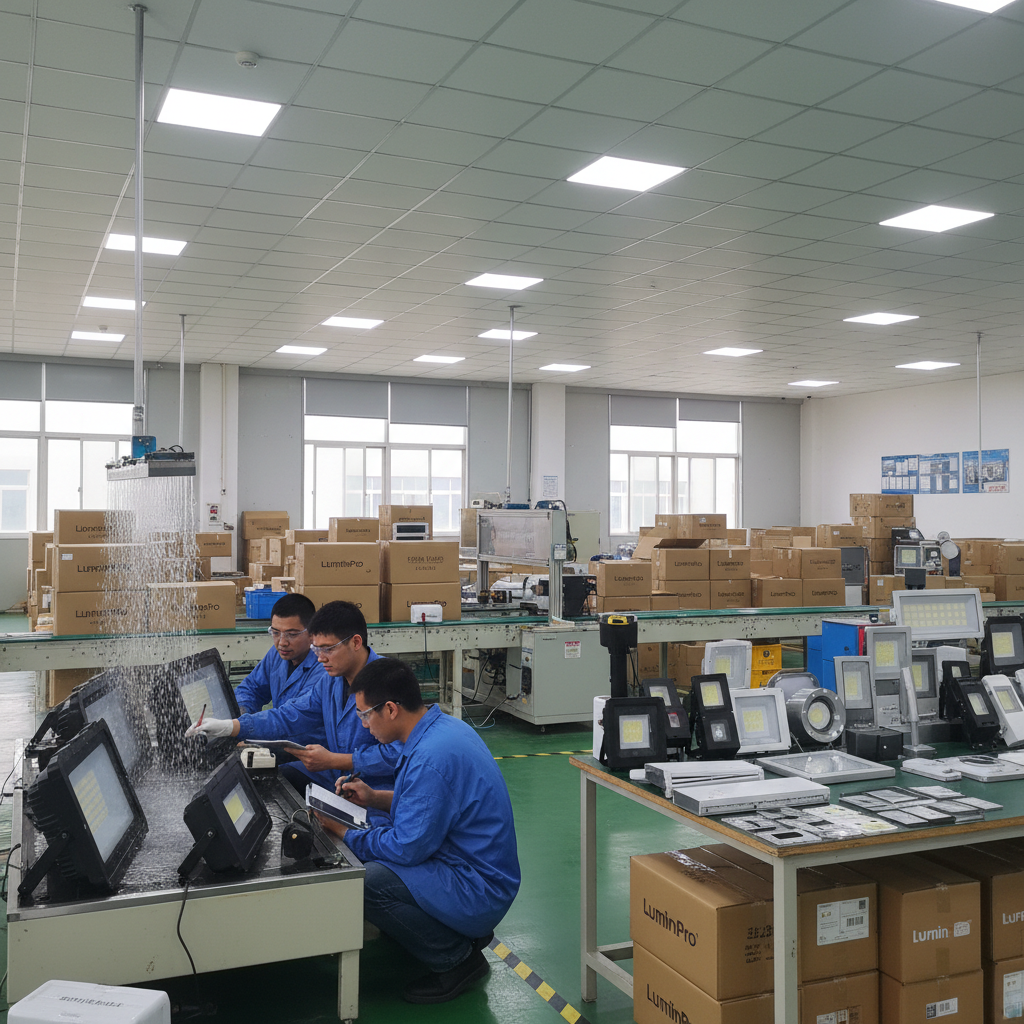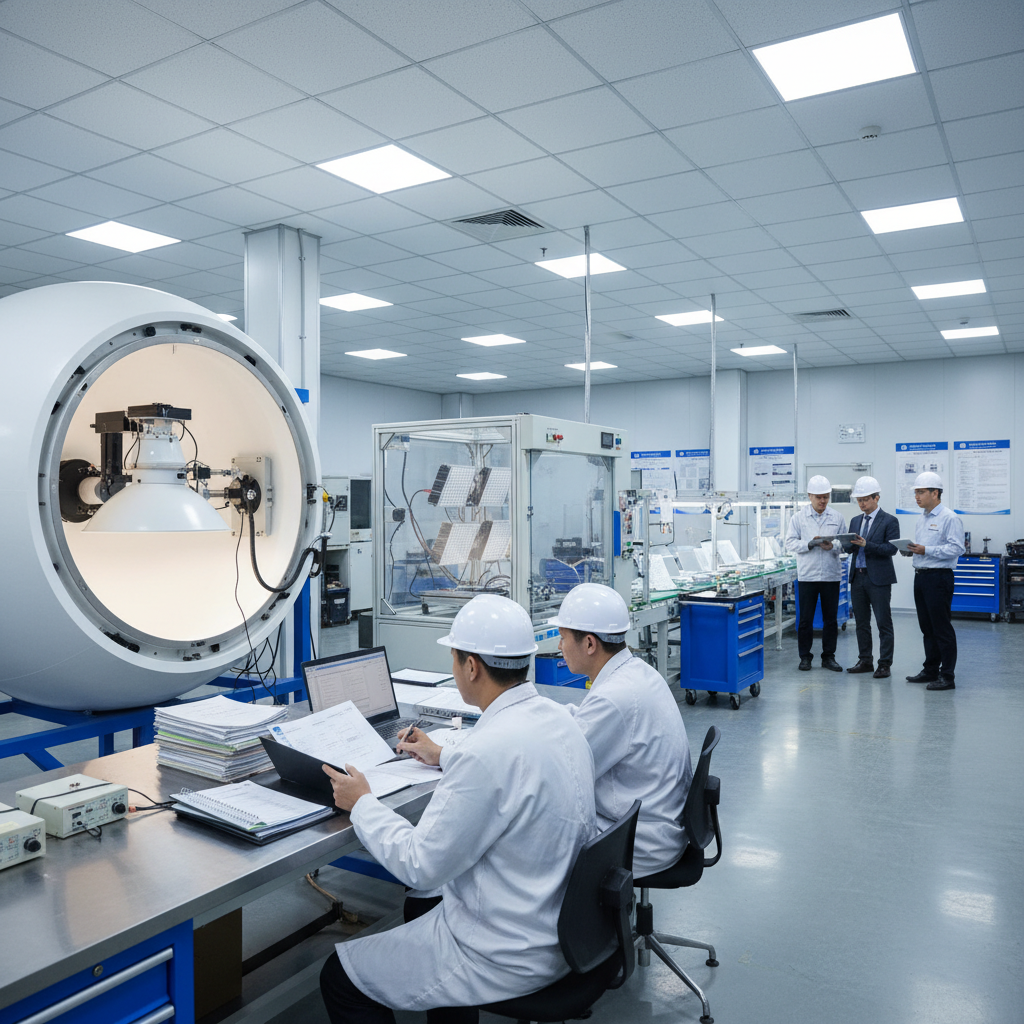

Ever walked into your garage workshop and felt like you were working in a dim cave?
When choosing lighting for your garage workshop, opt for energy-efficient LED lights with a color temperature of 4,000–5,000K for bright, clear illumination. Aim for at least 4,000 lumens per fixture for optimal brightness. Ensure durability with impact-resistant and moisture-resistant fixtures (IP65 or higher). Consider task lighting for detailed work and smart controls for energy savings. LEDs offer low operating costs, long life spans, and instant full brightness, making them the best choice for both general and task-specific lighting in your workshop.
I remember the time when I upgraded my garage lighting from old, flickering fluorescents to sleek LED panels. It was like night and day—literally! Suddenly, every corner of my workspace was bright and welcoming. But, as I learned, choosing the right lighting isn’t just about picking any LED bulb off the shelf. You have to think about the lumens, the color temperature, and even the durability of the fixtures. Let me share what I discovered in my journey to transform my own workshop.
LED lights save up to 80% energy in workshops.True
LEDs are energy-efficient, reducing consumption by up to 80% compared to traditional bulbs.
Color temperature is irrelevant for workshop lighting.False
Color temperature affects visibility and focus, crucial for workshop tasks.
Why Choose LED Over Fluorescent or Incandescent Lights?
I remember the first time I swapped out my old light bulbs for LEDs—my electricity bill practically thanked me! Here’s why you might want to consider making the switch too.
LED lights stand out due to their exceptional energy efficiency, long lifespan, and ability to provide instant brightness. They can save up to 80% more energy and last far longer than fluorescent or incandescent bulbs, which helps reduce both maintenance and electricity costs.

Energy Efficiency
When I first started using LED lights, I was amazed by how much they slashed my energy bills. Unlike those old incandescent bulbs that seem to guzzle electricity like it's going out of style, LEDs convert almost all the power they use into light. This means not only do I see savings on my bill, but I also feel like I'm doing a bit for the planet.
| Lighting Type | Energy Efficiency (%) | Average Lifespan (hours) |
|---|---|---|
| LED | Up to 90 | 25,000+ |
| Fluorescent | 60-70 | 7,000-15,000 |
| Incandescent | 10 | 1,000-2,000 |
Longevity
Imagine not having to climb that wobbly ladder every few months to change a burnt-out bulb. That's the beauty of LEDs—they last over 25,000 hours! In contrast, I've had incandescent bulbs that barely made it past a thousand hours. For those of us with high ceilings or hard-to-reach fixtures, this is a game-changer.
Instant Full Brightness
I can't tell you how many times I've flicked on a fluorescent light and then waited...and waited for it to warm up. With LEDs, it's like flipping a switch and immediately having instant full brightness1—a lifesaver when I'm rushing around in the morning trying to find my keys!
Color Temperature Options
Having the right lighting can really set the mood in a room. LEDs offer a fantastic range of color temperatures. In my workspace, I prefer a cool white LED around 5,000K to mimic daylight and keep me focused. It's a far cry from the warm, cozy glow of incandescents.
Durability and Resistance
One day I accidentally knocked over a lamp with an LED bulb while cleaning. To my surprise, it survived without a scratch—unlike those fragile incandescent bulbs that would have shattered instantly. Many LEDs are built tough and come with high IP ratings (such as IP65), perfect for rough-and-tumble areas like garage workshops2.
Smart Control Integration
I love how some modern LED systems can be controlled with smart tech. I've set mine up with motion sensors and dimmers to optimize energy use. It's like having a personal lighting assistant that makes sure I'm only using energy when I need it.
Explore more about how smart lighting systems3 can transform your space while cutting down operational costs.
LEDs convert 90% of energy into light.True
LEDs are highly efficient, converting nearly all energy into light.
Fluorescent lights last longer than LEDs.False
LEDs last over 25,000 hours, outlasting fluorescents' 15,000 hours.
How Many Lumens Are Ideal for a Garage Workshop?
Ever tried squinting in a dimly-lit garage, trying to find that elusive tool? I have, and it was a game-changer when I finally discovered the right lumens for my workspace.
For a garage workshop, you need lighting that delivers between 4,000 to 6,000 lumens per fixture. This ensures bright, even illumination, reducing shadows and enhancing task visibility for a safer, more efficient work environment.
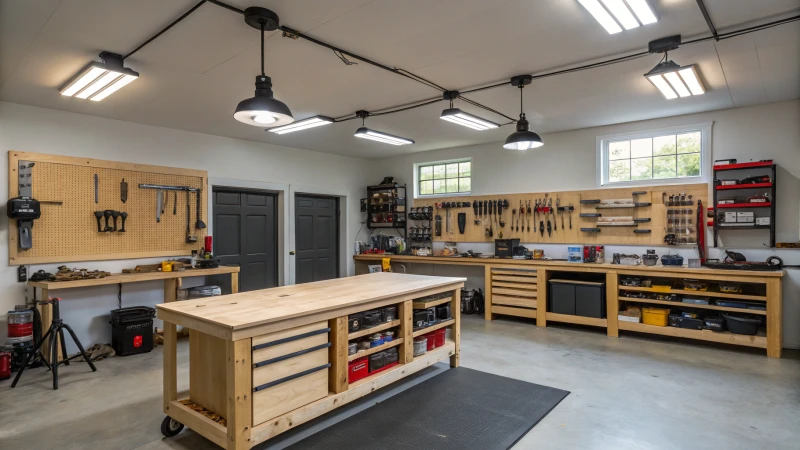
Understanding Lumens and Their Importance
I remember the first time I set up my garage workshop. I underestimated how crucial proper lighting was until I found myself struggling with poor visibility while working on a project. Lumens measure the brightness of a light source, and in a garage, they play a vital role in ensuring you can see every detail of your work. Without enough lumens, shadows can become a frustrating obstacle, especially when you're trying to focus on intricate tasks like woodworking or mechanical repairs.
Calculating Lumen Requirements
Figuring out the right amount of lumens was like solving a puzzle for me. It depends on the size of your garage. For a smaller workshop of about 250 square feet, you're looking at needing around 10,000 to 15,000 lumens in total. This might sound daunting, but it becomes manageable when you use multiple light sources to distribute the light evenly across your workspace.
Different Lighting Types
Choosing the right type of light can feel overwhelming with so many options out there. I've always leaned towards LED lights4 because they offer high brightness with lower energy consumption—saving money and the planet at the same time! Plus, they're more durable and last longer than traditional bulbs.
| Light Type | Lumens per Watt | Energy Efficiency |
|---|---|---|
| LED | 70-100 | High |
| Fluorescent | 35-80 | Moderate |
| Incandescent | 10-17 | Low |
Task-Specific Lighting
I can't stress enough how essential it is to have both overhead and task-specific lighting. For those detailed tasks at my workbench, adjustable task lights have been my savior, providing around 50 lumens per square foot exactly where I need it.
Color Temperature Considerations
Color temperature was something I didn't initially consider, but now it's a key part of my setup. For workshops, I recommend going for a higher color temperature (4,000–5,000K) as it mimics daylight and improves contrast. There are options with tunable features that allow you to adjust the color temperature depending on what you're working on. You can learn more about color temperature5 if you're curious.
Ensuring Durability and Efficiency
Garages aren't exactly gentle environments. I've learned to choose fixtures with a high Ingress Protection (IP) rating to keep dust and moisture at bay. Smart controls like motion sensors or dimmers have been great additions, allowing me to save on energy costs when I'm not using the workshop.
| Feature | Benefit |
|---|---|
| High IP Rating | Protects against dust and moisture |
| Smart Controls | Reduces energy consumption during non-use periods |
| Impact Resistance | Prevents damage from tools and falling debris |
By following these guidelines, I've transformed my garage workshop into a well-lit haven where I can work safely and efficiently.
LED lights offer 70-100 lumens per watt.True
LEDs are highly efficient, providing 70-100 lumens per watt.
Fluorescent lights provide higher lumens than LEDs.False
Fluorescent lights offer less lumens per watt compared to LEDs.
What Color Temperature Best Suits Your Workshop Needs?
Ever walked into your workshop and felt the lighting just wasn't right? It's amazing how the right color temperature can transform your space and boost your productivity.
In my experience, a cool white light between 4,000 and 5,000 Kelvin is perfect for most workshops. It closely resembles natural daylight, which not only enhances visibility but also keeps you focused during those long hours spent on detailed tasks.

Understanding Color Temperature
I remember the first time I switched my workshop lights from warm to cool white; it was like stepping into a new world. The concept of color temperature, which is measured in Kelvin (K), defines the hue of the white light emitted by a bulb. Lower temperatures (2,700-3,000K) give off a warm, yellowish light, reminiscent of a cozy evening at home, while higher temperatures (5,000-6,500K) emit a cool, bluish light that mimics bright daylight. In a workshop setting6, this difference can significantly impact how accurately you perceive colors and details.
Cool vs. Warm Light for Workshops
If you're like me and often find yourself squinting to see those tiny details or match colors precisely, you'll appreciate the benefits of cool white light (4,000–5,000K). It’s almost as if I’ve brought a piece of the sun indoors, helping me stay sharp and attentive to every detail. While warm light can create a relaxed atmosphere, it's not ideal when clarity is crucial.
Table: Color Temperature Comparison
| Kelvin Range | Description | Best For |
|---|---|---|
| 2,700-3,000K | Warm White | Relaxation and Comfort |
| 3,500-4,500K | Neutral White | General Workspace |
| 4,500-5,500K | Cool White | Workshops and Detail-Oriented Tasks |
| 5,500-6,500K | Daylight | Art Studios and Technical Work |
Task-Specific Lighting Needs
Depending on what I'm working on—be it intricate crafts or larger projects—I've found that opting for higher color temperatures (5,000K+) can make a world of difference in visual contrast and clarity. Using an adjustable task light has become a game-changer for me, especially for focused areas like workbenches7.
Combining Lighting Solutions
A mix of overhead lighting for general illumination and task-specific lights gives me the flexibility I need. Incorporating LED fixtures with adjustable color temperatures allows me to tailor the lighting according to different tasks or times of day. I’ve even explored smart lighting systems8 that offer various settings to match my changing needs.
Practical Considerations
In my workshop, durability is key. The fixtures need to withstand dust and moisture—LEDs are a great choice here due to their energy efficiency and longevity. They often last over 25,000 hours! By considering these factors and integrating smart controls like dimmers or sensors, I’ve managed to create an efficient lighting setup that perfectly aligns with my specific workshop requirements9.
Cool white light enhances focus in workshops.True
Cool white light (4,000–5,000K) mimics daylight, improving visibility.
Warm light is ideal for detail-oriented workshop tasks.False
Warm light hinders clarity; cool white is better for detailed tasks.
How Can Smart Controls Enhance Your Lighting Setup?
Remember those days when you'd fumble for the light switch in the dark? Thanks to smart controls, those days are long gone. Let's dive into how these innovations can elevate your lighting game.
Smart controls revolutionize your lighting setup by providing automation, energy efficiency, and remote access. They allow you to schedule, dim, and adjust colors, turning your space into a personalized and responsive environment.
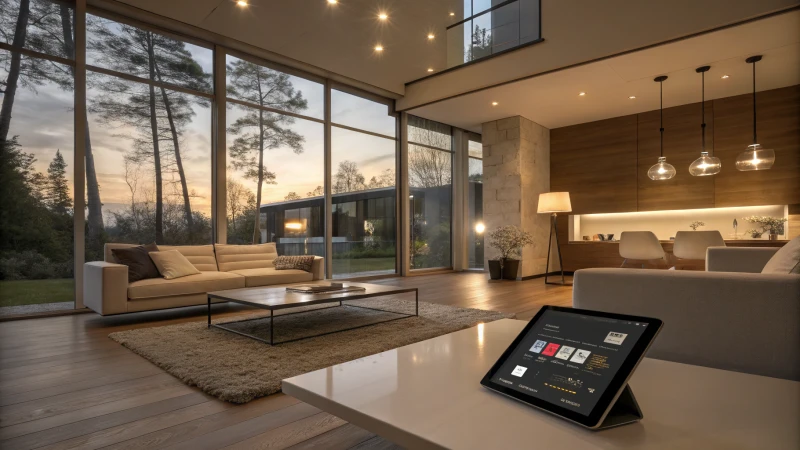
The Power of Automation
Imagine walking into your home, and the lights automatically turning on, welcoming you with the perfect ambiance. That's the magic of automation with smart controls. These nifty gadgets let you set schedules or use sensors to manage your lighting. Not only does this make life more convenient, but it also boosts energy efficiency—no more lights left on in empty rooms!
Smart controls enable automation in lighting, allowing lights to adjust based on schedules or sensors. This not only enhances convenience10 but also improves energy efficiency by ensuring lights are only on when needed.
| Feature | Benefit |
|---|---|
| Scheduling | Set lights to turn on/off automatically |
| Motion Sensors | Lights activate with movement |
| Voice Commands | Control lights hands-free |
Energy Efficiency Benefits
Once, during a particularly busy week, I noticed my electricity bill had skyrocketed. It was then that I discovered the beauty of smart dimmers and motion sensors. By adjusting the light intensity according to the natural light or switching off when nobody's around, these smart controls have significantly cut down my energy usage.
By integrating smart controls like dimmers and motion sensors, energy consumption can be reduced significantly.
- Dimming: Saves energy by reducing brightness
- Sensors: Prevents unnecessary usage
- Monitoring: Provides usage statistics for optimization
Remote Access and Control
One of my favorite features is remote access. Whether I'm on a business trip or just out for a walk, I can control my home lighting with my smartphone. It's especially handy for those unexpected late nights when you want to make it seem like someone's home.
With smart controls, you can manage your lighting from anywhere using a smartphone or tablet. This feature is particularly useful for those who travel frequently or have irregular schedules.
- Mobile Apps: Adjust settings remotely
- Geo-fencing: Lights respond to your location
- Custom Scenes: Set specific moods or themes with a tap
Explore more about smart lighting options11 to find the best fit for your needs.
Personalization and Ambiance
Creating the right atmosphere can transform any space. I love playing with color temperatures and scene settings, especially when hosting gatherings or winding down after a long day. Smart controls let me tweak everything to suit my mood or activity seamlessly.
Smart lighting systems offer customization options like color temperature and scene settings, enhancing the ambiance of any space.
- Color Adjustments: Change hues to match mood
- Scene Creation: Pre-set configurations for different activities
- Voice Assistants: Use Alexa or Google Assistant for voice control
Discover how customizable lighting solutions12 can transform your home or office environment.
Smart controls reduce energy consumption by 30%.False
While smart controls save energy, the exact percentage varies by usage.
Voice commands allow hands-free lighting control.True
Smart lighting systems can be operated using voice assistants like Alexa.
Conclusion
LED lights are the best choice for garage workshops due to their energy efficiency, long lifespan, instant brightness, and customizable options, enhancing visibility and productivity in workspaces.
Learn why instant brightness is critical for safety and efficiency in various settings. ↩
Discover how IP ratings protect lights from harsh conditions like dust and moisture. ↩
Find out how integrating smart controls can optimize your lighting setup. ↩
Explore why LED lights are ideal for workshops, highlighting their energy efficiency and brightness. ↩
Discover how different color temperatures affect work environments and choose the best option for your workshop. ↩
Understand the basics of color temperature to better choose lighting that enhances visibility in your workspace. ↩
Discover top recommendations for task lights that provide optimal clarity and focus on your workbench. ↩
Learn how smart lighting can adapt to different tasks and improve energy efficiency in your workshop. ↩
Find essential tips to tailor your workshop lighting setup for maximum efficiency and productivity. ↩
Understand the mechanisms behind smart home systems to fully leverage automation features. ↩
Learn about different smart lighting products to choose the best one for your setup. ↩
Explore how changing light colors and temperatures can impact your mood and productivity. ↩