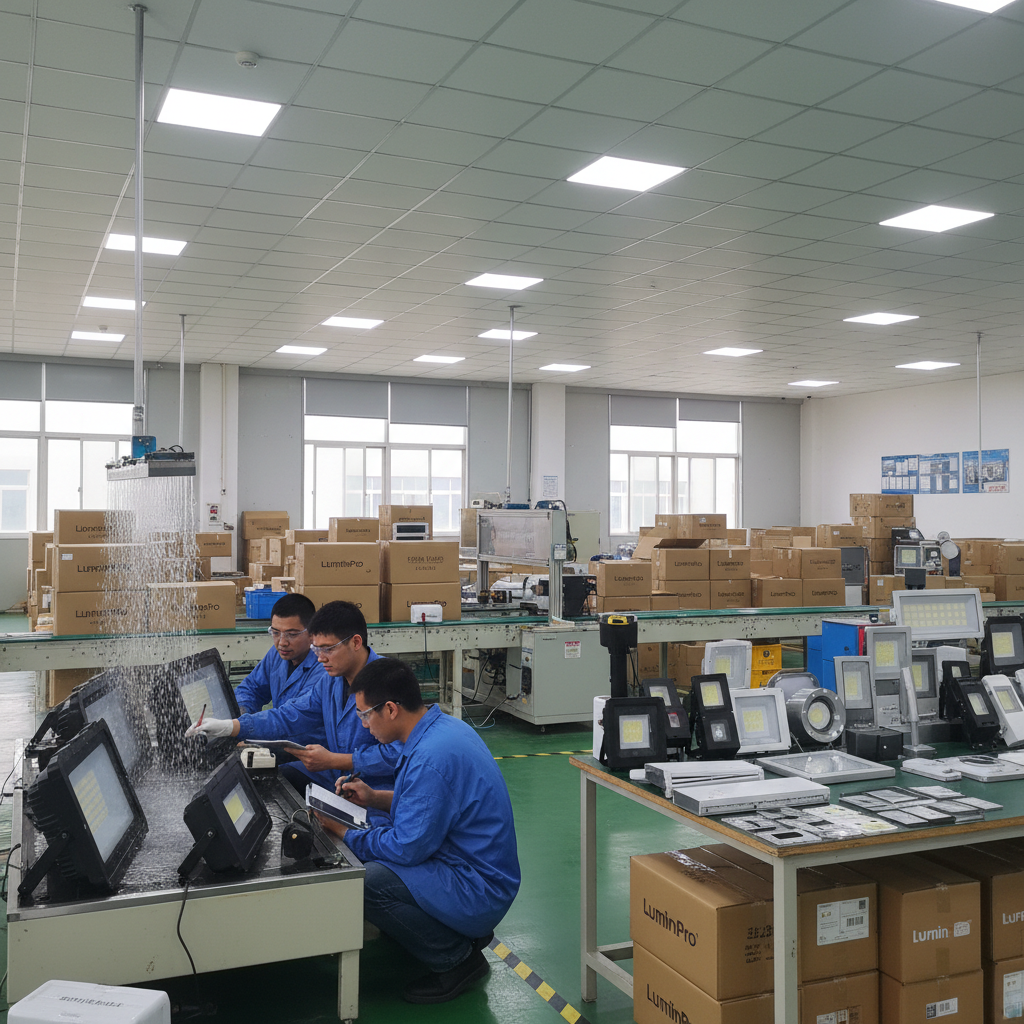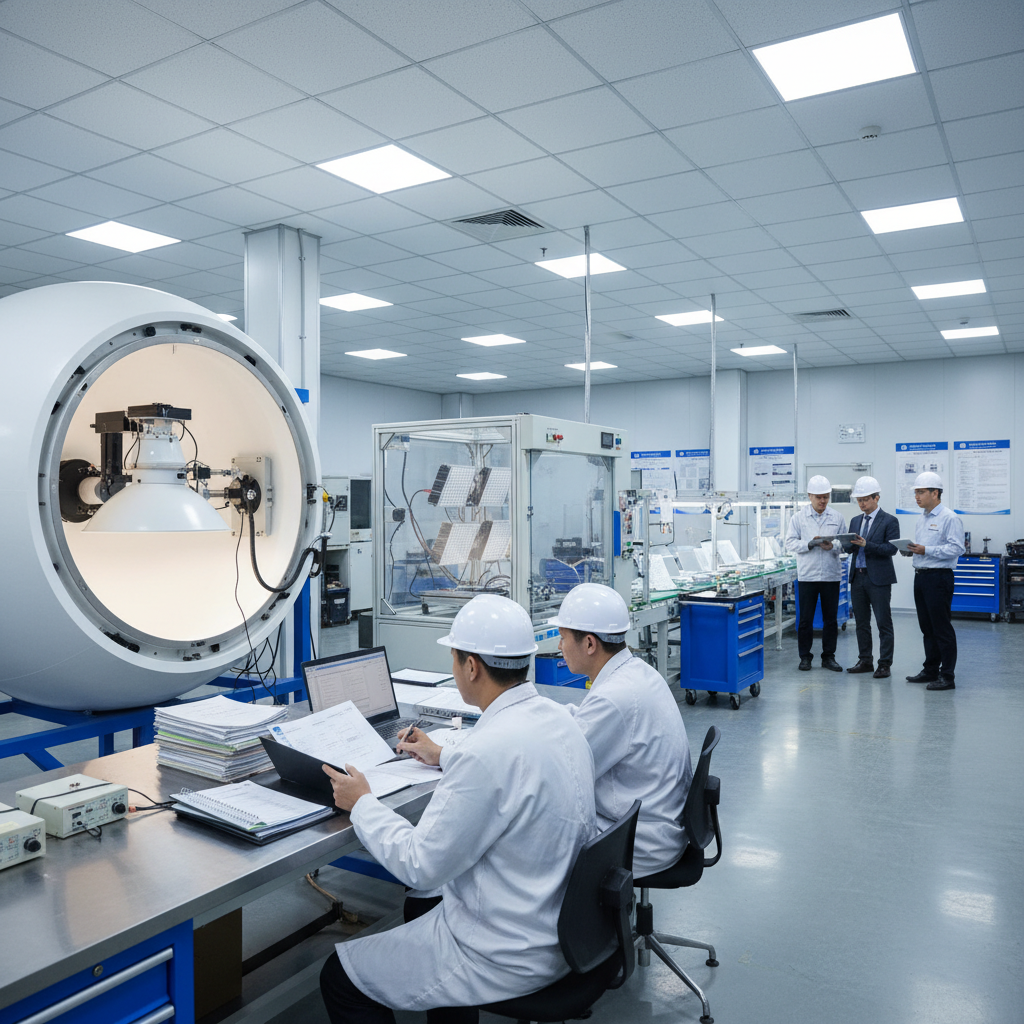

Selecting good LED OT lights seems like walking through a confusing puzzle, especially when you need both quality and affordability. Let me show you the way!
The finest LED OT lights often come from China. This country uses advanced methods to produce high-quality, affordable products. People should think about product quality, certifications and after-sales service. Quality is important.
I have spent many hours looking through catalogs and specs, just like you probably spent. The choice isn't only about cost; it’s about matching quality with your needs. Chinese manufacturers often win because their mix of new technology and low prices is hard to ignore. Some companies really stand out for this reason. Stay here as I explain how to spot a great manufacturer and get the best for your place.
Most LED OT lights are manufactured in China.True
China is a leading hub for manufacturing due to advanced technology and cost-effectiveness.
All high-quality LED OT lights come with certifications.True
Certifications ensure compliance with international standards, guaranteeing quality and safety.
What Should You Consider When Choosing OT Lights?
Understanding OT lights might seem like picking a new car. There's more inside than you probably think.
When choosing OT lights, look at factors like brightness, color quality, heat release, shadow management and cleanliness features. These elements help achieve good surgical visibility. Very important. They also keep the area sterile.

Key Factors in Choosing OT Lights
Illumination Intensity
I remember standing in an operating room for the first time. The bright lights above felt almost magical. Light brightness is crucial. It’s like having the perfect reading lamp that doesn’t tire your eyes during long surgeries. Lights with adjustable brightness fit different operations. Versatility is key. Really.
One of the most critical aspects of OT lights is their illumination intensity1. The brightness must be adjustable to cater to different surgical needs, ensuring adaptability during various procedures.
Color Rendering Index (CRI)
Imagine painting a room with a fluorescent light. Later, you notice the color is wrong. High CRI in OT lights stops such errors. Surgeons see tissue colors naturally. A CRI of 90 or more helps reduce eye strain. It really helps. Medical teams focus better during surgeries.
A high CRI allows surgeons to distinguish between different tissues accurately, reflecting how naturally colors appear under the light. Aim for lights with a CRI of 90 or above to enhance visibility and reduce visual fatigue.
Heat Emission and Shadow Control
Think about standing under hot stage lights for hours. Not fun. Reducing heat from OT lights is vital. I always suggest LED lights for coolness. Shadow control is crucial—it’s like a focused spotlight keeping the surgical area bright without interruptions.
OT lights should emit minimal heat to prevent discomfort and maintain the surgical area's cool temperature, making LED lights preferred for their low heat output. Additionally, effective shadow control ensures consistent lighting, minimizing obstructions during surgery.
Hygiene and Sterility
Sterility is so important; many lives depend on it. Lights with smooth surfaces clean easily, and antimicrobial coatings keep hygiene high—regular maintenance is necessary; it’s like washing your hands to prevent infections.
Consider lights designed with infection control in mind, featuring smooth surfaces2 that are easy to clean and antimicrobial coatings help maintain sterility while regular maintenance protocols further reduce infection risks.
Durability and Lifespan
OT lights cost a lot—they are like a top appliance in your kitchen; you want them to last long by checking the lifespan of light parts and replacement parts which keeps maintenance costs low.
OT lights represent a significant investment, so durability is key—assess the lifespan of lighting components and whether replacement parts are readily available as long-lasting solutions can reduce maintenance costs over time.
| Feature | Importance |
|---|---|
| Illumination Intensity | Adjustable brightness for diverse surgeries |
| Color Rendering Index | Accurate tissue differentiation |
| Heat Emission | Comfort and temperature control |
| Shadow Control | Uninterrupted lighting during procedures |
| Hygiene | Infection control and easy maintenance |
| Durability | Longevity and reduced replacement costs |
Looking at these factors can help you pick OT lights that match your needs—every detail helps create the best operating room environment.
OT lights must have adjustable brightness.True
Adjustable brightness caters to different surgical needs, enhancing precision.
A CRI below 90 is ideal for OT lights.False
A high CRI (90+) is essential for accurate tissue differentiation.
How Do Chinese and Indian Manufacturers Compare?
Deciding between Chinese and Indian manufacturers is similar to selecting your favorite ice cream. Each offers its special blend and feel.
Chinese manufacturers often excel in size and cost savings. Indian manufacturers are known for skilled workers and attention to quality. Check what you need to find the best match.

Manufacturing Scale and Efficiency
Think about the big factories in China and India. China stands out with huge production lines and new technology. Imagine entering a factory as big as a small city. Machines there work like an orchestra, producing goods at very high speed. This speed often means lower costs, which is great news for business owners.
India, on the other hand, is growing fast. It focuses on new ideas and technology to improve how they produce goods. Picture an artist discovering their own style - it's really exciting to see this progress.
| Factors | China | India |
|---|---|---|
| Scale | High | Growing |
| Technology Adoption | Advanced | Improving |
| Cost Efficiency | Typically Lower | Competitive |
Quality and Skilled Labor
Indian manufacturers focus on making high-quality products with skilled workers. It's similar to a master creating a beautiful sculpture with precise details. This attention to detail is very important, especially in industries where every single part matters.
Chinese factories are also improving. With high standards and new technology, they meet top-quality expectations. Picture two chefs perfecting their meals in different kitchens.
Cost-Effectiveness
In terms of pricing, both countries provide good deals. China's large supply systems make it a popular choice for cost savings, like finding an unbeatable deal at your favorite shop. India offers great customer service and new ideas, like adding something extra to a delicious dessert.
Government Support and Policies
Government help can really change things. China's rules support big production and exports, like having a strong push behind you. India's "Make in India" plan encourages local production and foreign investment - imagine watching a local team become famous worldwide.
Geopolitical Factors
Don't ignore the world political scene. Trade issues and taxes can affect costs and delivery, making it important to know current global trade rules. It's like sailing through rough waters; being prepared is crucial.
In the end, choosing between manufacturers in China and India depends on your needs. Consider cost, quality, size, and political changes. This will help you find the best option for your business.
Chinese manufacturing is more cost-effective than Indian.True
Due to economies of scale and robust supply chains, Chinese manufacturing is often more cost-effective.
India's skilled labor force enhances product quality.True
Indian manufacturers are praised for their skilled labor, which enhances product quality.
Why Are Quality Assurance Certifications Important?
Quality assurance certifications sometimes feel confusing. Let me help you understand them.
Important certifications for quality assurance include Certified Quality Auditor (CQA), Certified Quality Engineer (CQE) and Six Sigma Green Belt. These certifications show skill in quality management, checking and improving processes. They show true expertise.
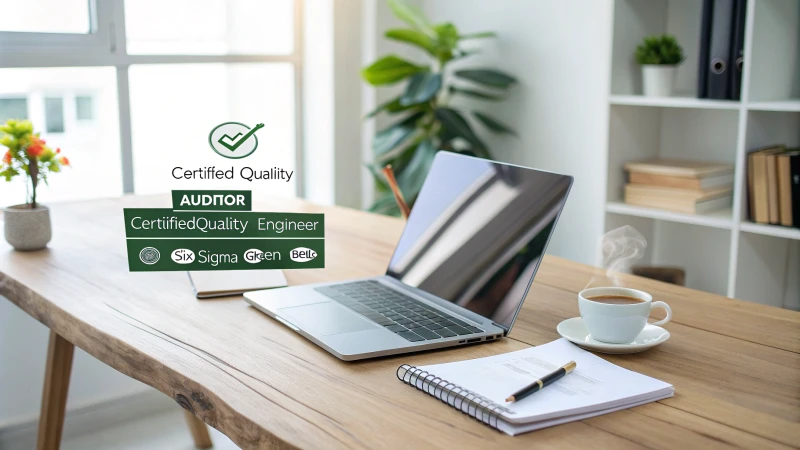
Understanding the Importance of QA Certifications
When I first started in quality assurance, I soon realized certifications are very important. They are not just letters after your name. They show you care about keeping and improving industry standards. For someone like me, who loves data, certifications show clear proof of skills.
In areas like manufacturing, software, and healthcare3, these papers tell employers you are serious about quality. They act as a key to new career chances and show you care about getting better.
Exploring Popular QA Certifications
Certified Quality Auditor (CQA)
I first heard about CQA certification4 at a work conference. It's perfect for those working in auditing quality systems. It shows we know the principles and the processes.
Certified Quality Engineer (CQE)
I liked the CQE certification5 because it suits engineers working on product and process quality. It includes many topics like quality control systems and statistics. It’s a great choice for those diving into engineering.
Six Sigma Green Belt
This certification grabbed my attention when I looked into process improvement6 tools. It focuses on improving work efficiency and reducing waste, perfect for those who love smart solutions.
| Certification Name | Focus Area |
|---|---|
| CQA | Quality Auditing |
| CQE | Engineering & Process Quality |
| Six Sigma Green Belt | Process Improvement |
Benefits of Obtaining QA Certifications
Better Career Chances
I have seen that having certifications can open doors to more opportunities. They improve your resume. Employers know you have special skills, which might lead to better jobs and higher pay.
Recognized in the Industry
From what I have noticed, having known certifications increases your professional trust. It tells workers and bosses you follow high-quality standards.
Skill Growth
These certifications have taught me advanced and practical skills required for quality management. They prepare me for real-world problems in this field.
Evaluating Certification Costs and Accessibility
I noticed that the price for getting QA certifications varies a lot. For instance, the Certified Quality Auditor7 needs an exam fee and classes for preparation can be costly. Still, it is a good spend given the career improvements.
Free Resources and Preparations
Trying to find low-cost options? I found many online sites with free courses for exam preparation. Websites like Coursera or EdX offer basic learning on quality management rules for free or cheap.
With this knowledge, you probably can find your way to getting important quality assurance certifications. Stay ahead in this competitive field by investing in learning means investing in your future!
Certified Quality Auditor is essential for QA professionals.True
CQA certification validates auditing skills, crucial for QA roles.
Six Sigma Green Belt focuses on quality auditing skills.False
Six Sigma Green Belt focuses on process improvement, not auditing.
How Can You Ensure Effective Communication With Suppliers?
Many people find it hard to agree with their suppliers. You are not alone. Here’s a way to change those meetings into smooth teamwork. Really smooth.
Use clear expectations to communicate with suppliers. Technology helps interactions stay smooth. Understanding cultural differences is important. Regular updates show commitment. These actions lessen misunderstandings. Strong supplier relationships develop.

Setting Clear Goals
At first, working with suppliers felt like playing the game of telephone. Messages got mixed up or lost. I soon understood that setting clear goals from the start was important. I began using a detailed service-level agreement (SLA) as my main strategy. It shows quality standards, delivery times, and rules everyone must follow. This document serves as a reliable guide to keep everyone responsible and focused.
Using Technology for Smooth Communication
Technology changed how we bridge gaps in communication. Imagine checking order statuses or sharing documents instantly! Platforms like industry-specific platforms8 really help. They give real-time updates and help keep everyone informed and in sync.
Appreciating Cultural Differences
Early on, cultural differences in communication surprised me. A phrase or gesture could mean something very different to partners abroad. Joining cultural training and workshops helped me understand these differences better, leading to more respectful and effective communication.
Frequent Updates and Feedback
I learned it the hard way that regular updates and feedback are necessary. Weekly calls or monthly meetings are essential to review performance and talk about improvements. Using structured feedback methods like structured feedback mechanisms9 helps solve problems before they grow big.
Example of a Communication Plan
Following these rules has helped me build a strong base for good communication with suppliers, minimizing delays and improving projects significantly. It’s crucial to keep communication open and clear; my business really depends on this clarity to succeed.
| Frequency | Communication Type | Objective |
|---|---|---|
| Weekly | Video Call | Progress Review |
| Monthly | Email Report | Performance Summary |
| Quarterly | On-site Visit | Relationship Building |
Service-level agreements ensure supplier accountability.True
SLAs outline quality and delivery standards, aiding accountability.
Weekly video calls with suppliers are unnecessary.False
Regular updates like weekly calls help track progress and resolve issues.
Conclusion
This article explores the best manufacturers of LED OT lights, focusing on Chinese and Indian companies, highlighting key factors for selection including quality, cost, and certifications.
Understanding illumination intensity helps ensure surgical precision, as it allows for adaptable lighting conditions during procedures. ↩
Exploring infection control features aids in maintaining sterility, crucial for preventing surgical site infections. ↩
Understand the significance of QA certifications specific to healthcare. ↩
Learn about CQA certification to understand its role in enhancing quality auditing skills. ↩
Discover how CQE certification can enhance engineering roles in quality management. ↩
Explore how Six Sigma Green Belt certification improves process efficiency. ↩
Learn about CQA certification to understand its role in enhancing quality auditing skills. ↩
Discover platforms that facilitate efficient communication and management of supplier relationships. ↩
Learn how structured feedback can improve supplier performance and address issues promptly. ↩