

Imagine coming home after a long day to a space perfectly lit to match your mood.
The LED light color temperature guide: 2700K-3000K is ideal for warm, residential or hospitality spaces, 4000K suits offices and retail, while 5000K-6500K is perfect for warehouses and medical facilities requiring high visibility. Choosing the right color temperature can improve productivity, user comfort, and energy efficiency in large-scale commercial projects.
When I first started experimenting with lighting at home, I didn't realize how much the color temperature could change a room's feel. It was like discovering a new way to paint with light! As I learned, each room benefits from its own lighting scheme. Let's dive into why these choices matter so much for comfort and productivity.
Warm white LED is best for kitchens.False
Warm white is better for cozy settings like living rooms, not kitchens.
Cool white LEDs suit workshops.True
Cool white (5000K - 6500K) is ideal for precision tasks in workshops.
How Does Color Temperature Affect Mood and Ambiance?
Have you ever walked into a room and felt instantly relaxed or surprisingly energized? That's the magic of color temperature at work.
Color temperature impacts mood and ambiance by changing how warm or cool a light feels. Warm tones (below 3000K) create cozy spaces, while cooler tones (above 5000K) boost focus and alertness.

The Science Behind Color Temperature
When I first started exploring lighting options for my own space, I was amazed at how something as simple as color temperature could transform a room's vibe. It's like changing the entire mood of a party just by swapping the playlist. Color temperature, measured in Kelvin, tells us whether light leans towards warm or cool hues. Light below 3000K feels warm and inviting, perfect for those comfy living rooms or romantic restaurants1 where you want to linger a little longer. On the flip side, light above 5000K mimics daylight, which is why you'll often find it in offices where productivity is key.
| Color Temperature | Description | Ideal For |
|---|---|---|
| 2700K - 3000K | Warm White | Living rooms, restaurants |
| 4000K | Neutral White | Offices, retail spaces |
| 5000K - 6500K | Cool White/Daylight | Kitchens, medical facilities |
Psychological Impact of Lighting
It's fascinating how lighting can play tricks on our minds. I remember switching to warmer lights in my home office, and suddenly, it felt like a cozy nook rather than a workspace. Warm lighting invites relaxation and conversation—think of those intimate dinner parties or cozy coffee shop corners. Meanwhile, cooler lighting is like a shot of espresso; it wakes you up and keeps you sharp. That's why it’s favored in workspaces2 where focus is paramount. Tuning the color temperature can tweak your mood and even how well you perform cognitively.
Customizing Lighting for Specific Needs
Nowadays, with the marvels of modern LED technology, we can adjust color temperatures just like tuning a radio dial. This flexibility is a game-changer for anyone looking to tailor their environment to their daily rhythms. In my experience, starting the day with cooler lighting helps shake off the morning fog. As evening rolls around, I switch to warmer tones to wind down—it’s like lighting therapy that helps me sleep better and feel more rested. Such adaptability is invaluable in settings striving for both comfort and efficiency, like offices3 or healthcare facilities.
Energy Efficiency and Cost Implications
I’ve found that balancing color temperature isn't just about mood; it's also about energy efficiency. Higher temperatures can indeed demand more power but offer unmatched visibility for intricate tasks. Selecting the right temperature can save energy and boost performance—a crucial consideration for large-scale projects where every penny counts. Understanding these nuances helps businesses make savvy choices that not only cut costs but also enhance user satisfaction. By optimizing color temperature, you can create spaces that are not only inviting but also cost-effective.
Warm light below 3000K enhances productivity.False
Warm light creates comfort and relaxation, not productivity.
Cool light above 5000K boosts alertness.True
Cooler lighting increases alertness, suitable for workspaces.
How Do Different Color Temperatures Boost Energy Efficiency?
Ever wondered how the color of your lights can affect energy efficiency and ambiance? Let me walk you through the magic of color temperatures and how they can transform your space.
Color temperatures impact energy efficiency by improving visibility and reducing unnecessary lighting. Warmer tones create cozy environments, while cooler temperatures boost focus, offering energy-saving flexibility.

Understanding Color Temperature and Its Impact
I remember stepping into my office one chilly morning and immediately feeling more alert than usual. It wasn't the coffee—it was the new lighting. We had just upgraded to a cooler color temperature of 4000K, which struck the perfect balance between brightness and comfort. It's fascinating how something as simple as light can shift our energy levels and productivity.
Color temperature, measured in Kelvin (K), ranges from warm whites (2700K) to cool whites (6500K). Each setting has its unique benefits:
| Color Temperature | Application | Energy Efficiency Benefit |
|---|---|---|
| 2700K - 3000K | Residential | Creates cozy ambiance, reducing need for additional lighting sources. |
| 4000K | Offices | Balances brightness, aiding in productivity without excess lighting. |
| 5000K - 6500K | Industrial | Improves visibility, reducing errors, and enhancing focus. |
High Color Temperatures for Enhanced Performance
Higher temperatures, like those over 5000K, mimic daylight, significantly enhancing task performance. Think about a bustling kitchen or a medical facility where every detail counts—better visibility leads to fewer mistakes and greater efficiency.
The Role of Adjustable Color Temperature (CCT)
Modern LED systems offer adjustable CCT, adapting to various needs throughout the day. I once visited a facility that used this technology to support circadian rhythms4; it was amazing to see how employees felt more energized and focused as the lighting adjusted naturally.
Considerations for Selecting Color Temperature
Choosing the right color temperature involves balancing user satisfaction with energy efficiency. For instance, while higher temperatures boost performance in task-specific areas like medical facilities5, they might not be suitable for customer-facing spaces like retail, where a warm, inviting atmosphere is crucial.
| Factor | Consideration |
|---|---|
| Task-specific areas | Use 5000K+ for clarity. |
| Customer-facing spaces | Opt for warmer tones. |
| Regulatory compliance | Check local standards. |
Selecting the correct lighting setup doesn't just impact energy usage; it influences productivity and satisfaction levels, ultimately enhancing your investment's return. Remember to weigh both technical needs and aesthetic preferences when choosing your lighting solutions.
For more insights on optimizing lighting systems for energy efficiency, explore smart lighting solutions6 that integrate advanced controls for enhanced functionality.
These considerations underscore the importance of selecting the appropriate color temperature to maximize energy efficiency while maintaining the desired ambiance and functionality in any given space.
2700K lighting reduces energy by creating cozy ambiance.True
Warm lighting reduces need for additional sources, saving energy.
5000K lighting is ideal for customer-facing spaces.False
5000K is too bright; warmer tones suit customer areas better.
How Can Adjustable Color Temperatures Improve Your Home Lighting?
Ever felt like your home's lighting just doesn't match your mood? Adjustable color temperatures might be the solution.
Adjustable color temperatures can transform your home lighting by allowing you to create the perfect ambiance for any room. Warm hues offer a cozy feel, while cooler shades enhance focus, letting you customize the environment to suit your mood and activities.
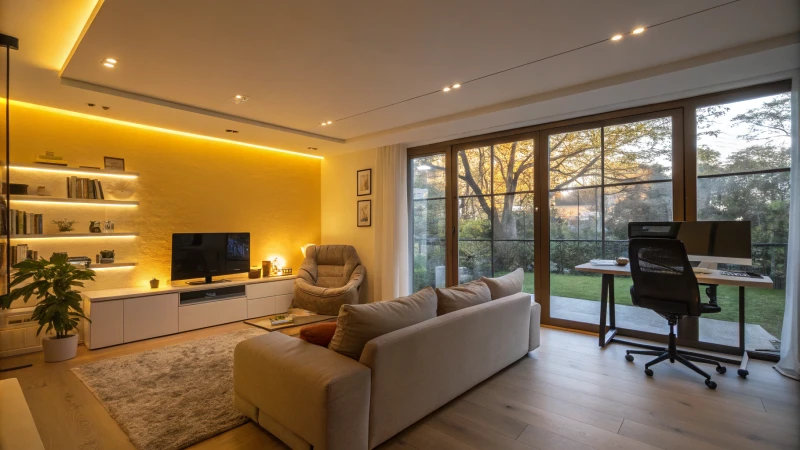
Understanding Color Temperature Basics
I remember the first time I discovered the magic of color temperature—it was like finding the key to unlocking the perfect atmosphere in my home. Color temperature, measured in Kelvin (K), really sets the mood of a room. For instance, those lower temperatures (2700K-3000K) that give off a warm glow? They're absolutely perfect for unwinding in the living room after a long day. On the flip side, higher temperatures (5000K-6500K) mirror daylight and can work wonders in boosting my productivity when I'm trying to focus on work in my home office.
| Temperature (K) | Light Appearance | Ideal Setting |
|---|---|---|
| 2700K - 3000K | Warm White | Living rooms, bedrooms |
| 4000K | Neutral White | Kitchens, bathrooms |
| 5000K - 6500K | Cool White/Daylight | Home offices, garages |
Advantages of Adjustable Lighting
Versatility and Control
One of my favorite aspects of adjustable color temperatures is the versatility it brings. With smart lighting systems, I can easily switch up the settings depending on the time of day or what activity I’m doing. This flexibility helps me create environments that not only match my mood but also align with my natural body clock.
Energy Efficiency
I've found that adopting adjustable lighting doesn’t just enhance ambiance—it also leads to significant energy savings. By choosing the right color temperature for each room, I’m optimizing energy use and cutting down on consumption. It’s a win-win situation! And when I looked into smart LED systems7, I realized they could push these benefits even further.
Enhancing Mood and Productivity
Lighting is such a powerful tool in setting the right mood. For me, warmer tones are like a cozy blanket—they help me relax and wind down after a hectic day. Meanwhile, cooler tones keep me alert and focused, which is perfect for tackling tasks that require a little more brainpower.
Practical Applications in Home Design
- Living Areas: Use warm white lights to create a welcoming and cozy atmosphere.
- Home Offices: Implement cool white lighting to maintain concentration during work hours.
- Kitchen & Dining: Utilize neutral white to balance visibility and ambiance for cooking and social gatherings.
For more insights on how to integrate these technologies into your home, check out advanced home lighting solutions8. Exploring these options can help you craft a lighting design that’s tailored just for you.
By understanding and leveraging adjustable color temperatures, you can make informed decisions that boost both the functionality and comfort of your home lighting setup. Don't hesitate to experiment with different settings to find the perfect combination for each space in your home. The beauty of adjustable lighting is its ability to evolve with your lifestyle changes and daily routines.
Warm light is ideal for home offices.False
Warm light is relaxing, not ideal for productivity-focused areas like home offices.
Adjustable lighting can improve energy efficiency.True
Adjusting light settings optimizes usage, reducing energy consumption effectively.
What Are the Best LED Color Temperatures for Different Rooms in My Home?
Ever wondered how to make your home feel just right with the perfect lighting? Let’s dive into the world of LED color temperatures and see what suits your space best.
While there are no strict industry standards for LED color temperature in homes, experts typically suggest 2700K-3000K for warm spaces like living rooms and 4000K for functional areas such as kitchens.
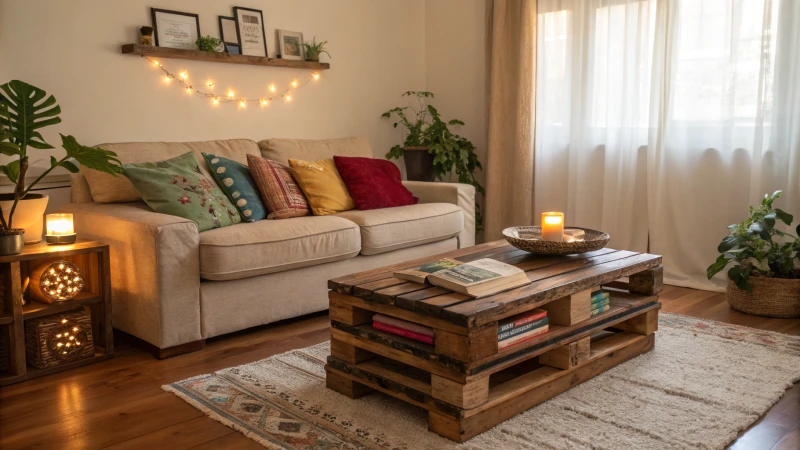
Understanding LED Color Temperature
You know that cozy feeling you get when you walk into a room with just the right lighting? That's often thanks to LED color temperature, which is measured in Kelvin (K). Lower Kelvin values are your go-to for warmth and coziness, making them perfect for unwinding after a long day. On the flip side, higher Kelvin values bring a refreshing vibe, ideal for spaces where you need to stay alert and focused.
Recommendations for Residential Spaces
Picking the right color temperature can transform your home into a haven of comfort and style. Here's a quick guide I put together:
| Room Type | Recommended Color Temperature |
|---|---|
| Living Room | 2700K - 3000K |
| Kitchen | 3500K - 4000K |
| Bedroom | 2700K - 3000K |
| Bathroom | 3000K - 4000K |
For those days when you're feeling indecisive or just want to switch things up, adjustable CCT LEDs9 are a lifesaver. They let you tweak the lighting to match your mood or needs.
Expert Opinions and Practices
While there's no hard-and-fast rulebook, most lighting pros stick to certain tried-and-true guidelines. Warm tones tend to be favorites for spaces meant for relaxation, while cooler tones are hailed as heroes in productivity zones.
The Role of Personal Preference
At the end of the day, it’s all about what makes you feel good. Some folks love a warm glow10 to ease into sleep, while others lean towards cooler hues for a chic, modern look.
Energy Efficiency and Cost
Choosing the right temperature isn’t just about aesthetics—it can also save you money. Cooler temps mimic daylight, which might just cut down on your electric bill by reducing extra lighting needs.
Compliance with Local Codes
Even though residential lighting isn’t as tightly regulated as commercial projects, it’s still wise to check out any local codes that might apply. Certain places may have rules on LEDs aimed at boosting energy efficiency.
Understanding these nuances can help make your home both beautiful and cost-effective. By blending expert advice with what feels right to you, you can create a space that's not only functional but truly yours.
Embracing Technological Advancements
Thanks to smart lighting, customizing your home’s ambiance has never been easier. Smart bulbs let you change color temperatures throughout the day, aligning with natural rhythms and enhancing your well-being. Consider reaching out to a lighting expert or looking into smart solutions11 that sync with home systems, ensuring your lighting adjusts seamlessly to your lifestyle.
LEDs with 2700K create a warm, cozy atmosphere.True
2700K is considered warm and is recommended for living rooms.
There are strict industry standards for residential LED color temp.False
No strict standards exist, but guidelines are often followed.
Conclusion
Choosing the right LED light color temperature enhances mood and productivity. Warm tones (2700K-3000K) create coziness, while cooler tones (5000K-6500K) boost focus in workspaces.
Discover why warm white lighting enhances coziness and customer experience in dining establishments. ↩
Learn how cool lighting improves concentration and efficiency in work environments. ↩
Find out how dynamic lighting systems boost employee well-being and productivity. ↩
Understand how adjustable CCT supports natural body cycles and enhances worker wellness. ↩
Discover how simulating daylight with higher color temperatures enhances visibility and accuracy in medical settings. ↩
Explore smart systems that optimize energy use with advanced controls. ↩
Explore how smart LED systems enhance energy efficiency and provide customizable lighting options for various home settings. ↩
Discover strategies for implementing advanced lighting solutions in your home design to optimize ambiance and functionality. ↩
Discover how adjustable CCT LEDs offer flexibility in lighting by allowing changes in color temperature to suit varying needs. ↩
Learn why warmer LED colors are preferred in relaxation spaces like bedrooms and how they enhance comfort. ↩
Explore how smart lighting solutions can transform home environments by offering dynamic control over light settings. ↩