
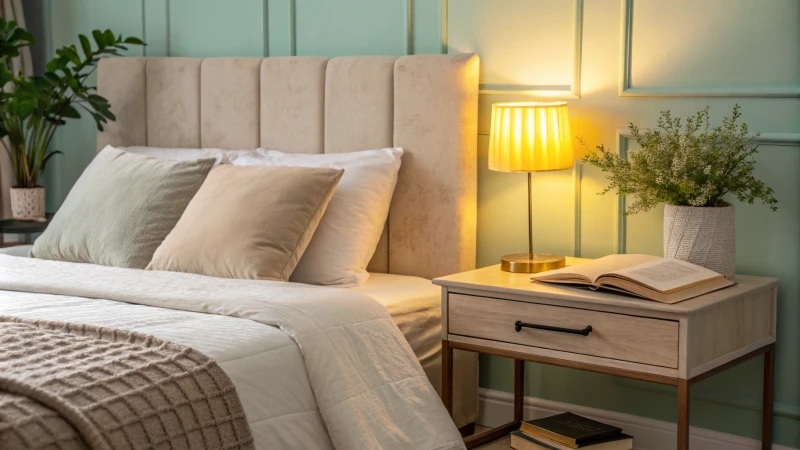
Are you having trouble sleeping well at night? I understand that struggle. Maybe the color of your night bulb is the key you've been missing.
The best color for a night bulb is warm yellow (2700K–3000K) or red light, as both promote relaxation and support natural sleep patterns by minimizing melatonin disruption. Red light, in particular, is ideal for improving sleep quality. Soft white (3000K–4000K) is also a good choice for a calming effect. Avoid blue or white light (above 4000K), as it can suppress melatonin and delay sleep onset. Dimmable night lights provide adjustable comfort while saving energy.
When I first learned about how light affects sleep, it was surprising. I used to toss and turn under bright white lights. I always wondered why I couldn’t relax. Then, I changed to warm yellow and amber bulbs. It felt like a soothing hug! These soft colors, around 2700K–3000K, help the body produce melatonin. Melatonin is the sleep hormone. Red light is another wonderful choice. It really helps deepen sleep, especially for those sensitive to blue light. It's amazing how changing a bulb transforms your nights!
Warm yellow/amber light improves sleep quality.True
Warm yellow or amber light enhances melatonin production, promoting better sleep quality and helping you fall asleep faster.
Red light is ineffective for improving sleep.False
Contrary to this claim, red light actually supports melatonin production, aiding in better sleep compared to cooler lights.
How Does Light Color Influence Melatonin Production?
Do you ever think about why you rest more soundly in a warm, cozy room than in one with bright blue lights? The color of the light has a fascinating link to how melatonin is produced. It really changes how you sleep!
Light color really influences melatonin production. Warm colors help you sleep. Blue light decreases melatonin levels by up to 50%. Adjusting lighting probably improves sleep quality.

The Science of Melatonin Creation
I recall moments when getting a restful sleep was hard for me. I tossed and turned for hours. Then, I learned about melatonin and everything made sense. Melatonin is an amazing hormone primarily produced by the pineal gland in response to darkness, regulating sleep-wake cycles. It acts as our body's natural sleep signal.
But here's the interesting part: not all light is the same. Research shows different light wavelengths impact melatonin levels in various ways. Bright blue light, for example, can reduce melatonin production by up to 50%! This explains why scrolling on a phone late at night kept me wide awake.
To understand this better, consider the following table:
| Light Color | Wavelength (nm) | Effect on Melatonin |
|---|---|---|
| Blue Light | 400-490 | Reduces melatonin |
| Warm Yellow/Amber | 2700K-3000K | Minimal impact |
| Red Light | 620-750 | Promotes production |
This discovery highlighted how essential it is to control our light exposure, especially as night approaches.
Warm Colors and Sleep Quality
Switching to warm colors like yellow and amber in my bedroom felt like a cozy embrace. Warm colors gently interact with our body clocks. These colors are among the best options for sleep. Studies confirm that warm lighting aids in maintaining steady melatonin levels, leading to restful sleep.
Many individuals, myself included, see big improvements in sleep after using warm LED bulbs in bedrooms. If you're curious, learn more about the benefits of warm lighting1.
The Effect of Blue Light
Now, let's address blue light - my nightly foe! Smartphones, tablets and bright LED lights emit it. I discovered that avoiding blue light at least two hours before bedtime is crucial; it preserves melatonin production. This small change tremendously helped me maintain my natural rhythm and improve my health. For more information, explore how to limit blue light exposure2.
Dimmable Lights for Better Rest
Dimmable lights in my home are now a favorite of mine. They easily adjust light intensity as evening draws near. By changing brightness, I create a peaceful atmosphere that encourages relaxation and supports melatonin creation.
These dimmable lights not only save up to 40% more energy than non-dimmable ones but also elevate comfort at night. For more on energy-saving lighting, visit energy-efficient lighting solutions3.
Conclusion
Realizing how light color impacts melatonin has transformed my sleep and well-being. By being aware of my home's and workspace's lighting, my sleep patterns have greatly improved.
If you're ready to change your nights, think about adjusting your lighting! You'll probably be surprised by how much it changes your restful evenings.
Blue light exposure can reduce melatonin by up to 50%.True
Research shows that bright blue light significantly suppresses melatonin production, impacting sleep quality negatively.
Warm yellow light promotes better sleep quality at night.True
Using warm yellow or amber light in the evening minimally affects melatonin levels, supporting improved sleep patterns.
What Are the Best Color Temperatures for Sleep?
Have you ever thought about how the colors around you affect your sleep? Colors really influence your rest. Let's explore color temperatures and see how they create a cozy space. A perfect setup invites restful nights.
The ideal color temperatures for better sleep are warm yellow (2700K-3000K) and red light. These colors really create a calming environment. They also help people feel relaxed. Warm yellow and red light increase melatonin production. Blue and white lights should be avoided before bedtime. They disturb melatonin levels. They also delay the time it takes to fall asleep.

Understanding Color Temperatures
Color temperature is measured in Kelvin (K) and plays a significant role in how lighting affects our mood and sleep patterns.
| Color Temperature | Description | Effect on Sleep |
|---|---|---|
| 2700K - 3000K | Warm Yellow/Amber | Promotes relaxation and comfort. |
| < 2700K | Red Light | Enhances melatonin production. |
| 3000K - 4000K | Soft White | Neutral, warm tone for nighttime use. |
| > 4000K | Cool White/Blue Light | Disrupts melatonin production, delays sleep onset. |
Warm Yellow/Amber Lights (2700K-3000K)
Warm yellow or amber lights are considered the best option for creating a relaxing atmosphere before sleep. These colors reduce the impact on our circadian rhythms, allowing us to wind down naturally.
Research indicates that using warm lights can facilitate an easier transition into sleep, especially when used in the hour leading up to bedtime. This makes them ideal for bedroom lighting4 solutions.
The Role of Red Light
Red light has been shown to be particularly beneficial for sleep. Studies suggest that exposure to red light can increase melatonin production, which is essential for sleep regulation. This is especially useful for individuals sensitive to blue light, which can negatively affect sleep quality.
Incorporating red light bulbs or using red filters over lamps can create a calming environment conducive to relaxation. For more details on how red light influences sleep, check out this resource on sleep science.
Avoiding Blue and White Light
Blue light exposure, particularly from screens and bright white lights, can severely disrupt sleep by reducing melatonin levels by up to 50%. It’s recommended to limit blue light exposure at least an hour before bedtime.
Consider using blue light filters on devices or opting for night mode settings. This can help mitigate the effects and improve your ability to fall asleep faster.
Soft White Lights (3000K-4000K)
While soft white lights are not as optimal as amber or red, they still offer a safe choice for night lighting. These bulbs provide a neutral, warm tone that aids in comfort without being too harsh on the eyes.
Choosing dimmable options can enhance the ambiance, allowing you to adjust the brightness according to your comfort level. More insights on the best dimmable bulbs can be found here.
Benefits of Dimmable Night Lights
Dimmable LED lights can significantly reduce energy consumption while still providing effective nighttime lighting. They allow for greater control over the intensity of light, making it easier to create a relaxing environment as you prepare for sleep.
In addition, the use of dimmable lights can help ease the transition from day to night, signaling your body that it's time to wind down. For more information on energy-efficient lighting options, explore this guide on energy-saving bulbs.
Warm yellow lights promote relaxation before sleep.True
Warm yellow lights (2700K-3000K) help create a calming environment, reducing circadian rhythm disruption and aiding in relaxation for better sleep quality.
Blue light enhances melatonin production at night.False
Contrary to this claim, blue light actually reduces melatonin levels, making it harder to fall asleep when exposed before bedtime.
What Night Bulbs Should I Use for Better Sleep?
Are restless nights keeping you awake? I've experienced that too. Discovering the right night bulbs really improved my sleep. The right lighting probably transforms your nighttime routine. Let's explore this further.
Experts recommend using warm yellow or amber bulbs with a color temperature of 2700K to 3000K. Red light bulbs are also suggested. Dimmable lights are another option. These lighting types help with relaxation. They really support the production of melatonin. Melatonin reduces disturbances to your body's natural sleep cycle.

Understanding Light Color for Sleep
The type of light around us influences how well we sleep at night. I remember tossing in bed, feeling like I was against an invisible foe. That enemy was usually the bright white light in my bedroom. Research taught me that light color affects our natural rhythms, which control when we sleep and wake.
Warm-colored lights in the 2700K to 3000K range create a cozy vibe for sleeping. When I used warm amber bulbs, my room felt very peaceful. These bulbs not only softened my usual evening light but also helped with melatonin production, which is really important for sleep.
Recommended Types of Night Bulbs
| Light Type | Color Temperature | Benefits | Example Models |
|---|---|---|---|
| Warm Yellow/Amber | 2700K–3000K | Less disruption to sleep cycles | Philips Hue White Ambiance, GE Relax |
| Red Light | N/A | Great for melatonin production | SANSI LED Red Light Bulb, LIFX Mini Red |
| Soft White | 3000K–4000K | Comfortable for night use | Cree Soft White LED, GE Soft White LED |
| Dimmable Night Lights | Varies | Cuts energy use by up to 40% | Philips Hue White Ambiance Dimmable, LE Dimmable Night Light |
Key Points for Night Bulbs
During my search, I discovered these vital tips:
- Avoid Blue and White Light: Blue wavelengths are harmful. Once, I learned that blue light at night reduces melatonin by half. It explained why late Netflix sessions kept me awake!
- Energy Efficiency: I care about the environment. I look for bulbs that use less energy and offer good lighting. This fits with my eco-friendly habits.
- User Preferences: Whether you like smart designs or simple lights, choose what fits your style best.
Choosing the correct night bulbs really improves sleep and well-being. To explore smart lights more, see this smart lighting system guide. A restful sleep is just a bulb away!
Warm yellow/amber bulbs enhance sleep quality.True
These bulbs (2700K–3000K) reduce melatonin disruption, promoting better sleep.
Blue light exposure at night aids sleep onset.False
Blue light actually reduces melatonin levels, delaying sleep and disrupting cycles.
What Should You Avoid When Choosing Night Lights for Sleep?
Choosing the ideal night light might seem tough. However, it really doesn't need to be difficult. I have discovered some useful tips for avoiding common mistakes. It's essential to create a very calming sleep atmosphere.
For better sleep, avoid night lights that emit blue or white light. These lights disrupt melatonin production. Choose warm yellow or amber lights. These colors range between 2700K and 3000K. Dimmable lights create a cozy atmosphere.

Understanding Light Color Temperature
Struggling with sleep issues taught me that the right night light really changes my nighttime routine. Night lights create a calming atmosphere and the right ones very likely help a lot.
When selecting night lights, the color temperature is crucial. Warm yellow or amber lights (2700K–3000K) are optimal for sleep as they do not disrupt circadian rhythms. Research shows that these hues promote relaxation, unlike blue or white lights, which can be detrimental.
| Color Temperature | Effect on Sleep |
|---|---|
| Warm Yellow/Amber (2700K–3000K) | Promotes sleep |
| Red Light | Increases melatonin production |
| Soft White (3000K–4000K) | Neutral choice |
| Blue Light | Reduces melatonin levels by up to 50% |
The Impact of Brightness
Brightness also affects how well we sleep. Dimmable night lights are my favorite because I adjust them for my needs and feelings. Bright LEDs kept me awake instead of helping me sleep.
Dimmable night lights are highly recommended because they allow you to adjust the light intensity according to your needs. Bright lights can interfere with your ability to fall asleep, making a dimmable option a preferable choice.
For example, a bright LED may keep you alert and awake, while a soft glow can ease you into sleep.
Avoiding Blue and White Light
Blue light at night is a sleep problem! It lowers melatonin, which we need for good sleep. I remember staying up late on my phone, its blue light causing my sleep to suffer.
Exposure to blue light in the evening is particularly harmful, as it can significantly reduce melatonin production, delaying sleep onset. Therefore, it’s essential to avoid night lights that emit high levels of blue or white light.
Now, I use red light before bed. Studies show it helps sleep and melatonin. It's just what I need after a long day. You can find more information about this topic here5.
Selecting the Right Type of Night Light
Not all night lights are equal! When buying, I pick ones made for sleep. Here are my favorites:
- LED Night Lights: They use less energy and often dim.
- Smart Night Lights: They switch off by themselves or change colors when I'm getting ready for bed.
- Rechargeable Night Lights: I like these more than plugged-in ones because they reduce light pollution.
By making informed choices about color and brightness, you can enhance your sleep environment effectively. For further guidance on how to choose the right night lights, consider exploring this resource.
Creating a good sleeping atmosphere was a journey for me. Understanding light's effects really changed the game. Choose your night light carefully and it will probably improve your rest significantly.
Warm yellow lights promote better sleep than blue lights.True
Warm yellow lights (2700K–3000K) support sleep, while blue lights disrupt melatonin production, making yellow preferable for a restful night.
Dimmable night lights are less effective for sleep than bright ones.False
Dimmable night lights allow for adjustable brightness, aiding relaxation, unlike bright lights which can hinder sleep onset and quality.
Summery
Warm yellow or amber bulbs (2700K-3000K) and red light enhance sleep by boosting melatonin production, while blue light should be avoided to prevent sleep disruption.
This link provides research-backed insights into how light colors impact melatonin levels, crucial for improving sleep quality. ↩
Find practical tips for reducing blue light exposure before bedtime for better sleep. ↩
Learn about energy-saving dimmable lighting options that support healthy sleep environments. ↩
Explore this link to learn about how different color temperatures can impact your sleep quality and find practical lighting solutions. ↩
Discover expert tips on selecting the perfect night light that promotes restful sleep and avoids disruptions. ↩