
Do you recall the surprise when you changed from a normal bulb to LED? Choosing the correct LED strip brand gives that same exciting feeling.
The top LED lighting strip brands are famous for high energy savings, creative features, trustworthiness and good value. Brands such as Philips Hue, GE Lighting and LIFX often receive praise. They offer many smart lighting choices and have strong designs.
While remodeling my office, I noticed how important it was to choose the right LED strip lights. I felt really overwhelmed by all the choices at first. Then I discovered that things like where to use them, the brand's reputation and special features truly mattered. Look deeply into these factors. Your lighting choice must be bright. A good lighting choice is very important.
Philips Hue offers the most energy-efficient LED strips.True
Philips Hue is known for its energy-efficient smart lighting solutions.
LIFX LED strips are not compatible with smart home systems.False
LIFX LED strips are compatible with major smart home systems.
What Makes LED Strip Lights So Special?
Have you ever thought about how those shiny LED strip lights operate and why they are so popular now? Time to explore their wonders!
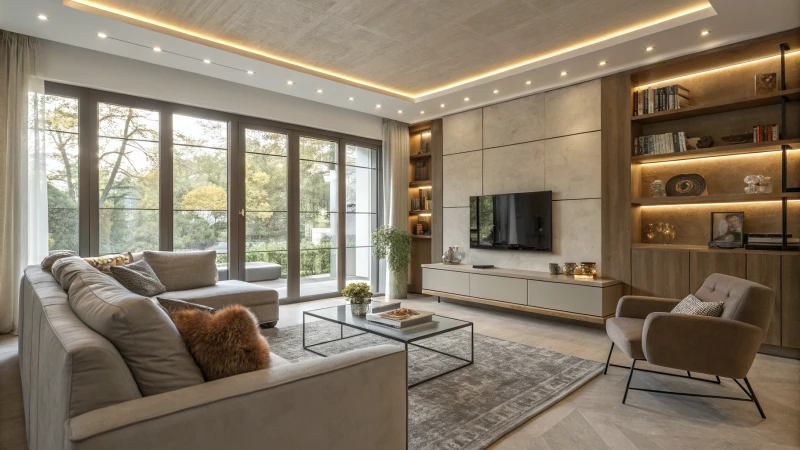
LED strip lights work with small light-emitting diodes placed on a bendable circuit board. They provide energy efficiency. They last a long time. Designs and uses vary greatly.
Understanding How LED Strip Lights Work
I am always amazed by LED strip lights. Picture this: small diodes glowing on a bendable strip. Each one shines when electricity flows through semiconductor material, making the process highly energy-efficient1 as minimal heat is produced. It's like a row of tiny suns you can shape to fit anywhere. I first cut a strip to place under my kitchen cabinets. What a change it was for midnight snacks!
Main Advantages of LED Strip Lights
- Energy Efficiency: Why do I prefer LED strip lights over old bulbs? First, they use less power, saving up to 75% on energy bills.
- Longevity: With about 50,000 hours of life, they outlast incandescent bulbs that always burn out unexpectedly.
- Versatility: They can create a cozy nook with soft light or add bright colors to parties.
- Easy Installation: The adhesive backing made it a breeze to install them in my living room.
| Feature | LED Strip Lights | Traditional Lighting |
|---|---|---|
| Energy Use | Low | High |
| Lifespan | 50,000 hours | 1,000-2,000 hours |
| Heat Emission | Minimal | Significant |
| Flexibility | High | Low |
Uses of LED Strip Lights
Adaptability is what I love most about LED strips. They can change any space, like an office or kitchen. I've included them in smart lighting systems2 for more control. That feels great for setting the mood during movies with soft lighting.
Remember, quality counts with any product. Always check for proper certification compliance when choosing products to ensure optimal performance in your specific projects. The right choice makes a big difference when you light up your space.
LED strip lights emit significant heat.False
LEDs produce minimal heat, making them more energy-efficient.
LED strips can be cut to specific lengths.True
LED strip lights are designed to be flexible and customizable.
What Features Should You Consider When Choosing LED Strip Lights?
Selecting LED strip lights might seem confusing, but it is not difficult. Together, we will simplify things!
When you pick LED strip lights, look at brightness, which experts measure in lumens. Color temperature is measured in Kelvin. Power use is measured in watts per meter. Durability is shown by an IP rating. These things tell how well the lights work. They show if the lights fit your needs. Performance is important. Suitability is key.

Brightness and Lumens
I remember walking into a room where LED strip lights shone perfectly. The brightness felt just right - not harsh, not dim. Lumens measure the light from the strip. More lumens mean brighter light. Commercial spaces3 that need a lot of light should pick higher lumens. It’s really important.
| Application | Recommended Lumens |
|---|---|
| Ambient Lighting | 150-300 lm/m |
| Task Lighting | 300-500 lm/m |
| Accent Lighting | 100-150 lm/m |
Color Temperature
Lights can really change how a room feels. They do this with color temperature, measured in Kelvin (K). Warm lights, like 2700K, create a cozy vibe. Perfect for reading a book. Cooler lights, up to 6500K, suit workspaces needing focus. Choose wisely.
| Application | Temperature (K) |
|---|---|
| Residential Lighting | 2700K-3000K |
| Office Spaces | 3500K-4500K |
| Warehouse Lighting | 5000K-6500K |
Energy Efficiency
Saving energy is very important for both the environment and your money. LED strips with fewer watts per meter are really good for energy saving. Many smart lighting systems4 also dim to save even more.
Durability and IP Rating
If you like spending time outside like me, pick LED strips that survive weather changes. High IP ratings protect against dust and water. An IP65 rating is probably safe for outdoor use in challenging conditions5.
Quality of LED Chips
All LED chips are not the same. Good chips give steady light and last longer. Trust reputable brands for the best quality.
Control Options
Phones now control so many things. LED strips now offer many ways to control them, like remotes or apps in smart homes6. It’s not only convenient but also helps to cut energy costs.
Considering these features helps you choose LED strip lights that work well, save money and last a long time.
Higher lumens mean brighter LED strip lights.True
Lumens measure light output; more lumens indicate more brightness.
LED strips with IP65 rating are not water-resistant.False
IP65 rating indicates protection against dust and water jets.
Which Brands Offer the Best Energy Efficiency in LED Strips?
Recall when I changed to LED strips and noticed lower energy bills? Here's how to identify brands that do this.
Top brands for energy-saving LED strips include Philips Hue, GE Lighting and Govee. These brands provide advanced technology with bright lights and low power use. They are perfect for homes and businesses alike.

Understanding Energy Efficiency in LED Strips
The first time I grasped the concept of energy efficiency changed my view on lighting. It was indeed like a sudden realization. LED strip lights are more than just bright lights. They help reduce electricity bills and lower environmental harm. Companies like Philips Hue7 lead the industry by using advanced technology to provide maximum brightness using very little energy.
Top Brands and Their Offerings
Here's a quick comparison of some leading brands:
| Brand | Key Feature | Energy Rating |
|---|---|---|
| Philips Hue | Control your lights from the sofa with smart systems that integrate easily with home technology for customized settings that also use less energy. | A+ |
| GE Lighting | Strong, long-lasting performance offering superb efficiency, ideal for big commercial tasks where trust is very important. | A |
| Govee | Affordable yet good options with energy-saving features suitable for home use, balancing cost and quality performance. | A- |
What Makes These Brands Special?
Philips Hue: Known for its smart control systems, it allows seamless integration with home automation, providing personalized lighting settings that optimize energy use.
GE Lighting: Offers robust and durable strip lights with excellent efficiency, ideal for commercial projects where reliability is crucial.
Govee: While more budget-friendly, Govee provides energy-saving features that don't compromise on quality. It's perfect for home applications8 where cost-efficiency is vital.
What to Think About When Choosing LED Strips
- Lumens per Watt: More lumens per watt means brighter and more effective lights. Brands like Philips Hue9 excel in this area, giving you better value.
- Lifespan and Durability: It's important to know how long the lights last. GE Lighting is known for its durability, which is ideal for commercial projects10.
- Color Temperature and CRI: This decides the atmosphere and how well colors are shown. High CRI values are essential for tasks requiring precise color distinction.
Why Energy Efficiency is Important
Energy-efficient LED strips don't just cut costs; they help create a sustainable future by lowering running expenses and reducing environmental damage, meeting global sustainability targets. Choosing these brands is not just a wise money choice but also supports earth-friendly production methods.
Reviewing these choices will probably guide you in making an educated decision that suits your budget and shows your care for the planet.
Philips Hue LED strips have an A+ energy rating.True
Philips Hue is noted for its advanced technology and smart integration.
Govee LED strips are the most expensive on the market.False
Govee is known for being budget-friendly while offering quality features.
How Do Smart LED Lighting Strips Enhance Modern Living Spaces?
Have you ever thought about how light changes your home?
Smart LED lighting strips offer flexible, energy-saving light in modern rooms. These strips allow users to change the mood and improve how the space works. People very easily connect them with smart home systems. Ideal for modern homes.
Versatile Ambiance and Mood Setting
Join me on a short trip back to when I first chose to change my home with smart LED strips. It was one of those dull winter days in Canada when everything felt gray and dead. I thought, "There must be a way to add some life and color here." Then, I found the wonder of smart LED lighting.
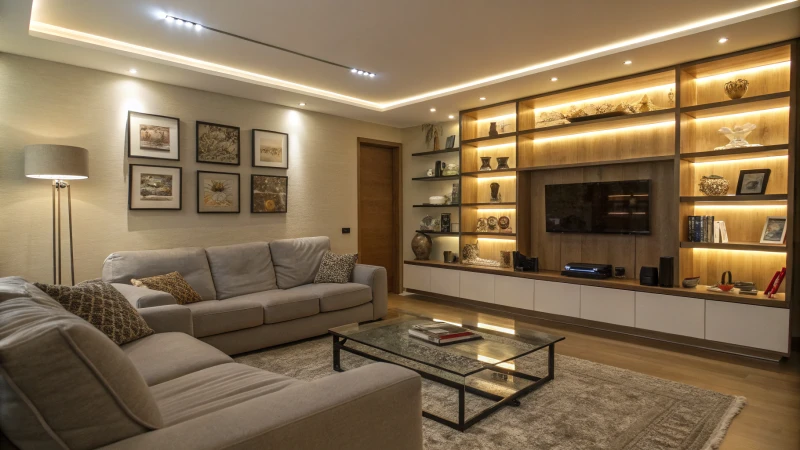
Smart LED lighting strips offer unparalleled versatility in creating the perfect ambiance for any room. With adjustable color temperatures and brightness levels, these lights can transform a living space11 from a cozy retreat to a vibrant social hub.
- Color Changing Features: Most smart LED strips offer a wide range of colors. This feature allows users to change the atmosphere with just a tap on their smartphones. I love this; sometimes, I feel like a DJ, matching the colors with my music playlist.
- Dimmable Lights: Users can set the mood by dimming the lights for a relaxed evening or brightening them for tasks requiring focus. On some nights, I want to relax with a book, and dimming the lights gives a calm feeling.
Energy Efficiency and Cost Savings
Let's discuss another important thing - saving energy and money. LED technology is renowned for its energy efficiency. Smart LED strips consume significantly less energy compared to traditional lighting options, which translates into cost savings over time.
Here's a quick comparison:
| Lighting Type | Average Lifespan | Energy Consumption |
|---|---|---|
| Incandescent | 1,200 hours | 60 watts |
| CFL | 8,000 hours | 14 watts |
| LED | 25,000 hours | 8 watts |
With these LED strips, I saw less energy use—it's like solving two problems at once: making my home beautiful and saving money. Saving is important.
This efficiency is further enhanced by smart controls that allow users to automate lighting schedules, reducing unnecessary usage.
Seamless Integration with Smart Home Systems
In our tech world, we enjoy great convenience. Modern living spaces increasingly rely on smart home technology. Smart LED strips are designed to integrate seamlessly with systems like Amazon Alexa, Google Home, and Apple HomeKit.
- Voice Control: Simply ask your smart assistant to adjust the lights, providing hands-free convenience. Just recently, my hands were full with groceries and I simply said,"Hey Alexa, turn on the kitchen lights," and they turned on! Very handy.
- Automation and Scheduling: Set timers or create scenes that automatically adjust lighting based on time of day or occupancy. I've arranged lighting schedules for different times—lights adjust by themselves—no more dark rooms!
Enhancing Architectural Features
I like how these strips can show off unique parts of my home. The way they light up the crown molding adds character. For my art collection, it feels like having a gallery at home—the effect is amazing.
LED strips are perfect for highlighting architectural elements within a home:
- Accent Lighting: Use strips to highlight artwork or bookshelves that might be overlooked.
- Task Lighting: Install under cabinets or along staircases for enhanced visibility and safety.
These smart LED lighting strips have changed my home by making it more beautiful and useful—they are now an indispensable part of modern living spaces. Their energy-efficient design12 makes them favorites among interior designers and homeowners alike.
Smart LED strips can change colors via smartphone apps.True
Smart LED strips offer color-changing features controllable via apps.
LEDs consume more energy than incandescent bulbs.False
LEDs are more energy-efficient, consuming less power than incandescent bulbs.
Conclusion
Explore top LED strip brands like Philips Hue, GE Lighting, and Govee for energy-efficient, versatile lighting solutions that enhance ambiance while saving costs in modern spaces.
Explore how LED technology minimizes energy consumption compared to traditional lighting solutions. ↩
Learn how integrating LED strips into smart systems can enhance lighting control and efficiency. ↩
Explore various options for LED strip lights tailored to commercial settings, ensuring optimal brightness and energy efficiency. ↩
Discover smart lighting solutions that offer energy-saving dimming capabilities, ideal for dynamic lighting control. ↩
Understand IP ratings to ensure your outdoor LED lighting withstands harsh weather conditions. ↩
Find out about advanced control features available for integrating LED strips into smart home systems. ↩
Discover how Philips Hue integrates advanced technology to enhance energy efficiency in LED strips. ↩
Explore Govee's range of affordable yet energy-efficient LED strip lights for home use. ↩
Discover how Philips Hue integrates advanced technology to enhance energy efficiency in LED strips. ↩
Learn why GE Lighting's LED strips are preferred for long-lasting commercial applications. ↩
Discover innovative ways smart LED lights can completely change the look and feel of your living spaces with practical examples. ↩
Learn about the numerous advantages of using energy-efficient smart LED lighting in homes, including reduced energy bills and environmental impact. ↩