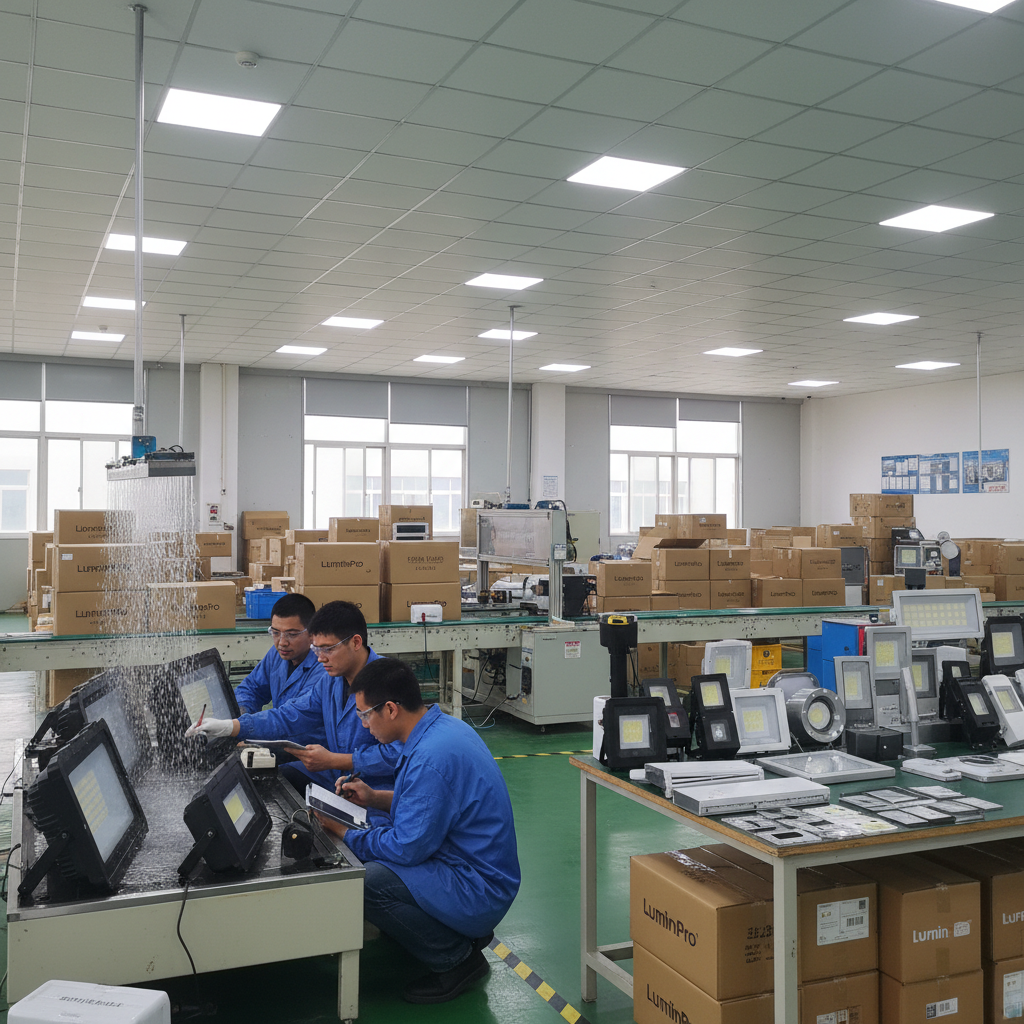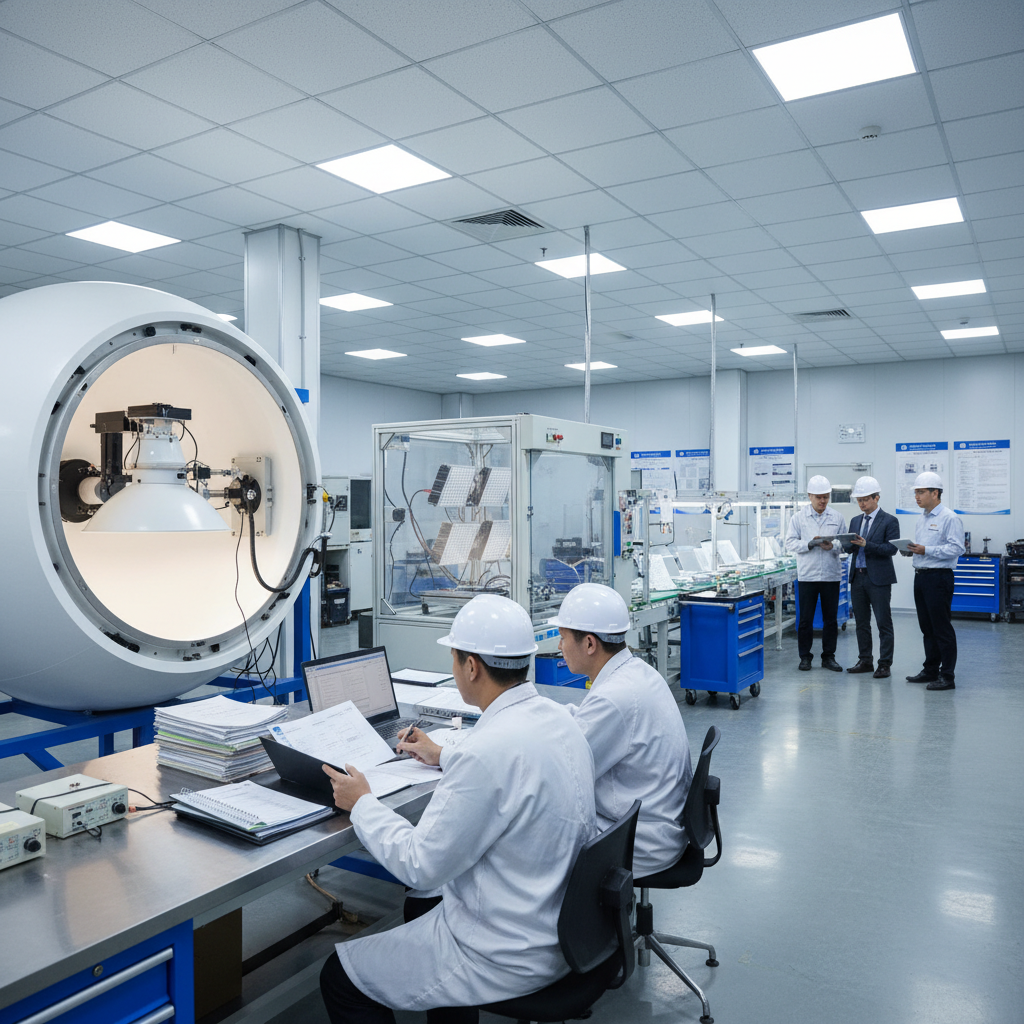

Are you feeling a little confused about LED color temperatures? I completely understand! Picking the right lighting might seem difficult. However, it really doesn't have to be stressful.
When choosing between 4000K and 6000K LED lights, it's important to know their uses and how they affect the mood and purpose of a room. 4000K lights give a neutral white light. This light improves visibility in work areas. 6000K lights produce a cooler daylight effect. This effect is great for spaces that need very bright lighting.
I remember the first time I explored LED lighting for my projects. I was undecided between 4000K and 6000K. I wondered how each would impact the spaces I worked on. Light can truly change an environment. This is fascinating. In this article, I will share thoughts on these specific color temperatures. Their best uses will be covered, along with advice on choosing the right one for you. Let's find out how to light up your spaces in a very effective and stylish way!
4000K LEDs are best for enhancing visibility in workspaces.True
4000K LEDs provide a neutral white light, making them ideal for work environments where visibility is crucial.
6000K LEDs are suitable for creating a cozy atmosphere.False
6000K LEDs emit a cooler daylight effect, which is not typically associated with cozy settings.
How do 4000K and 6000K LED lights really differ?
Have you ever thought about how LED light color changes your room? I will explore the differences between 4000K and 6000K lights. These differences are really intriguing. Discover which light might be the perfect choice for your space!
Key differences between 4000K and 6000K LED lights rest in their color temperature effects. 4000K gives off a neutral white light. This light is perfect for comfort in workspaces. 6000K shines with bright white light. It really increases alertness and visibility. Bright light sharpens focus.

Understanding Color Temperature
Color temperature, measured in Kelvin (K), indicates the hue of a specific light source. When comparing 4000K and 6000K LED lights, these temperatures correspond to different lighting effects:
4000K: This is often referred to as neutral white light. It provides a balanced tone that resembles natural daylight but leans slightly warmer. It's ideal for spaces that require good visibility without harshness, such as offices and retail environments.
6000K: This is classified as cool daylight or bright white light. It emits a bluish hue, which can enhance alertness and concentration, making it suitable for workspaces, garages, and areas where precision is key.
Understanding these distinctions helps in selecting the right lighting for specific needs. For further insights, check out this detailed comparison1.
Brightness and Visibility
Both 4000K and 6000K LED lights can provide adequate brightness; however, their visual impact differs:
| Color Temperature | Brightness Perception | Ideal Use Cases |
|---|---|---|
| 4000K | Soft, inviting | Retail spaces, offices |
| 6000K | Crisp, clear | Workshops, hospitals |
While 6000K lights might appear brighter to the eye due to their cooler tone, the actual lumens output should also be considered when choosing lights for a project. Dive deeper into lumens vs. color temperature2.
Mood and Ambiance
The ambiance created by lighting can significantly affect mood and productivity:
- 4000K lights tend to create a warm and welcoming atmosphere that can help reduce stress levels in environments like cafes or waiting rooms.
- 6000K lights foster a more stimulating environment that can boost energy and focus, making them ideal for task-oriented spaces.
Consider how lighting impacts your environment by exploring this mood lighting guide3.
Energy Efficiency and Cost Considerations
Both types of LED lights are energy efficient compared to traditional lighting solutions. However, there are nuances:
- Cost: 4000K lights may be slightly less expensive than their 6000K counterparts due to lower manufacturing demands.
- Energy Usage: While both types have comparable wattage, the efficiency depends on the quality of the LED used.
For an analysis of cost benefits, see this energy-saving report4.
4000K LED lights create a warm atmosphere.True
4000K lights provide a neutral white light that fosters a warm and inviting environment, suitable for reducing stress in social spaces.
6000K LED lights are ideal for task-oriented spaces.True
6000K lights emit a bright white light that enhances focus and alertness, making them perfect for workshops and precision work areas.
How do 4000K and 6000K LEDs affect mood and productivity?
Have you ever noticed how lighting in your workspace changes your entire day? Different lights affect your mood. Bright LED lights improve productivity and mood. Let’s discover how 4000K and 6000K lighting may create a better work environment.
Different LED colors influence mood and productivity. 4000K and 6000K LED lights have unique effects. The 4000K light calms the mind. It supports relaxation. The 6000K light increases energy. Concentration really improves with it.

Understanding Color Temperature in LEDs
Color temperature is measured in Kelvins (K), which indicates the warmth or coolness of light. 4000K LEDs emit a neutral white light, often described as similar to daylight, while 6000K LEDs produce a cooler, bluish light.
These differences can significantly impact mood and productivity in various environments.
Effects of 4000K LEDs on Mood and Productivity
4000K lighting is often considered a balanced choice for workspaces and living areas. This neutral light can help to:
- Enhance focus: The brightness is just right - not harsh. I can dive into tasks without hurting my eyes.
- Reduce eye strain: It feels refreshing for my eyes, especially during long editing sessions.
- Promote calmness: This light mimics natural daylight and creates a soothing space. Breathing and thinking become easier.
For more insights on optimal lighting choices, check out lighting effects on productivity5.
Effects of 6000K LEDs on Mood and Productivity
In contrast, switching to 6000K lighting for creative sessions showed clear differences:
- Boost alertness: Cooler light energized my brain! It was perfect for tasks needing deep focus.
- Increase energy levels: This invigorating feeling made me feel more alive and eager for challenges.
- Potential overstimulation: Too much bluish light could sometimes make me feel overwhelmed or anxious after long use.
To explore more about energizing environments, see our article on cool lighting benefits6.
Practical Applications for Different Settings
| Environment | Recommended Color Temperature | Benefits |
|---|---|---|
| Office | 4000K | Enhances focus, reduces eye strain |
| Creative Spaces | 6000K | Boosts energy and stimulates creativity |
| Homes (Living Areas) | 4000K | Promotes calmness and relaxation |
| Study Rooms | 6000K | Increases alertness for better learning |
Choosing the right LED lighting can transform your environment significantly. For additional tips on selecting lighting for specific settings, visit choosing LED lighting7.
Summary of Key Considerations
When deciding between 4000K and 6000K LEDs, consider the intended use of the space. While both color temperatures serve their purposes effectively, understanding their psychological impacts can guide you in creating an ideal environment for mood and productivity.
4000K LEDs enhance focus and reduce eye strain.True
4000K lighting provides balanced brightness, making it ideal for workspaces by enhancing focus and minimizing eye fatigue during prolonged use.
6000K LEDs can lead to overstimulation in some users.True
While 6000K lighting boosts alertness, its bluish hue may cause increased stress or anxiety for certain individuals over time.
How do I choose between 4000K and 6000K lighting for my spaces?
Lighting greatly influences the mood of every room. I often wonder about the best lighting temperature to create the perfect atmosphere and functionality. How do you choose between 4000K and 6000K lighting?
When choosing between 4000K and 6000K lighting, think about the room. 4000K works best for offices. This lighting fits retail spaces too. It creates a neutral ambiance. Meanwhile, 6000K suits industrial places. Industrial areas need bright visibility.
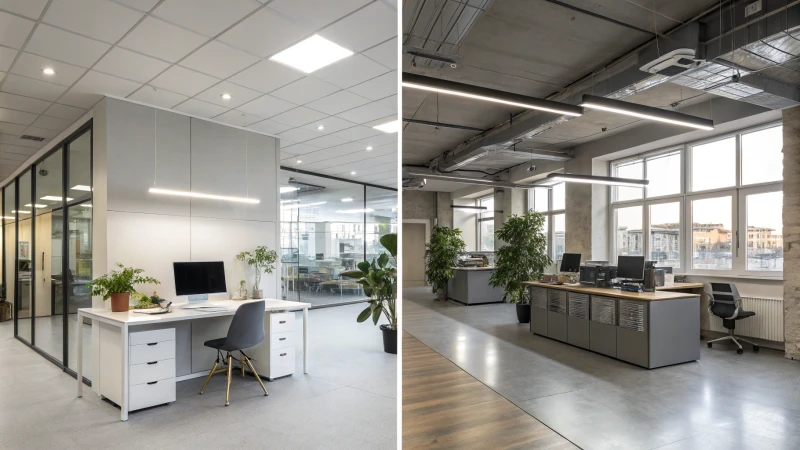
Understanding Color Temperature in Lighting
Let's explore color temperature. This concept can really change a space, almost like magic! We measure it in Kelvin (K). Color temperature affects mood, productivity, and comfort. I remember a time at a very brightly lit office. It was so stark I could hardly focus! That shows the impact of lighting.
Lower values (around 2700K) give a warm glow, like cozy evenings at home. Higher values (above 5000K) produce a cooler, almost clinical light. It can feel a bit harsh. Today, we'll look at 4000K and 6000K lighting to help create the best atmosphere for your spaces.
What is 4000K Lighting?
Ah, 4000K! This neutral white light balances warm and cool tones. I love it for its friendly yet focused feel. It blends comfort and productivity nicely.
- Ideal Environments for 4000K:
- Offices: This temperature improves focus and reduces eye strain. It's really perfect for long hours at a desk.
- Retail Spaces: Imagine walking into a store with warm yet professional lighting. It invites you to browse. That's the charm of 4000K!
- Healthcare Facilities: This light offers clarity without feeling too sterile. It can ease nerves during visits.
What is 6000K Lighting?
Now let's discuss 6000K lighting. This bright white light with a bluish hue mimics daylight. I once visited an industrial site with this light. The visibility was so bright it felt invigorating!
- Ideal Environments for 6000K:
- Industrial Spaces: This lighting really improves visibility and safety for intricate tasks.
- Design Studios: Accurate color rendering is crucial for artists and designers. You want the colors just right!
- Workshops and Garages: Strong lighting makes repairs or projects easier. It feels more achievable.
Comparative Table of 4000K vs. 6000K Lighting
| Feature | 4000K Lighting | 6000K Lighting |
|---|---|---|
| Color Tone | Neutral white | Bright white (cool) |
| Best Use | Offices, retail, healthcare | Industrial, design studios, workshops |
| Mood Effect | Inviting and focused | Energizing and alerting |
| Eye Comfort | Gentle on eyes | Can cause eye strain if overused |
Conclusion About Usage
Understanding these color temperatures is like having a superpower for creating the right atmosphere. Choosing between 4000K and 6000K depends on ambiance, functionality, and comfort. I've seen how smart lighting choices can transform an entire environment! For more insights on optimal lighting, check out our resource on lighting solutions8.
4000K lighting is ideal for healthcare facilities.True
4000K lighting provides clarity and comfort in healthcare settings, making patients feel more at ease without the sterility of cooler lights.
6000K lighting is suitable for retail spaces.False
6000K lighting, being bright and clinical, is not ideal for retail; it may deter customers rather than create an inviting atmosphere.
What factors should you consider when choosing LED color temperatures?
Choosing the ideal LED color temperature might seem challenging, but it's important for creating the right atmosphere. It really matters. I understand this struggle! Let's look at the important things to consider for an easier choice.
Choose LED color temperatures by thinking about why you use the room, the colors on the walls and what mood you want. Warm tones feel cozy. Cool tones improve concentration. Knowing these differences is very important.
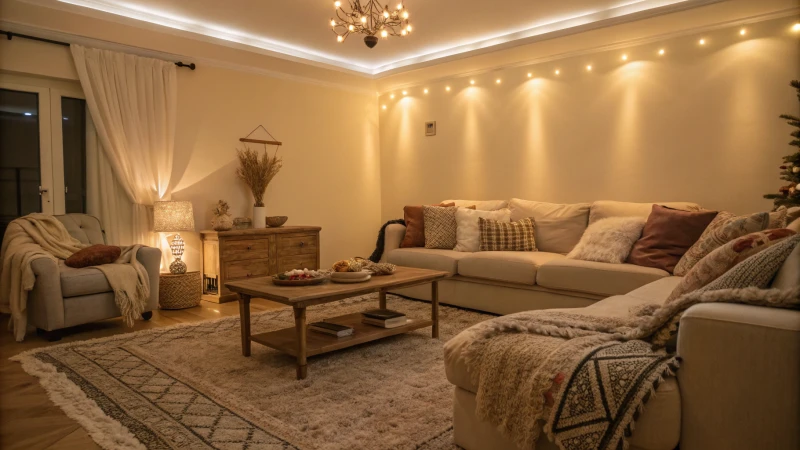
Understanding LED Color Temperature
When picking LED colors, I remember updating my home office. I stood there, surrounded by options and wondered how the right light might change my space. I realized that color temperature, measured in Kelvin (K), is very important. Understanding this is crucial.
Different light temperatures affect your surroundings:
| Color Temperature (K) | Description | Ideal Usage |
|---|---|---|
| 2700K - 3000K | Warm White | Cozy environments, bedrooms |
| 4000K - 5000K | Cool White | Best for focus, offices |
Warm white lighting made my living room feel cozy and welcoming. Cooler lights in my office helped me stay focused during long work days. Light can change how a room looks and how well it works.
The Impact of Room Colors and Finishes
During home renovations, I discovered that wall colors and finishes can change how we see light. Light walls with warm LED lights created a soft atmosphere. Darker-painted areas felt sleek and modern with cooler lights.
Consider these points:
- Wall Color: Light walls with warm LEDs feel welcoming. Dark walls with cool lights look contemporary.
- Furniture Finishes: Glossy finishes reflect more light. Cool lights seem brighter with these finishes.
The Mood You Wish to Create
Let’s discuss mood. Different temperatures evoke different feelings. For instance:
- Warm Whites (2700K - 3000K): Good for relaxation. I use them in my bedroom for coziness.
- Cool Whites (4000K - 5000K): Best for focus. I rely on them in my office.
Lighting changes productivity and mood! Experimenting helps you discover its impact on your space. For more ideas, see these mood lighting tips9.
Practical Tips for Choosing Color Temperature
Here are some advice based on my lighting experience:
- Understand the Room’s Purpose: Think about activities in the room; this helps decide the light color.
- Think About Natural Light: Rooms with sunlight might use cooler lights to match the sun’s warm colors.
- Install Dimmer Switches: I have dimmers to change light levels during the day; it’s a big improvement!
For more suggestions on choosing LED solutions for your projects, see our guide on lighting design principles10. Lighting shapes spaces; it's about creating a setting that reflects who you are and what you enjoy.
Warm white LEDs are best for cozy environments.True
Warm white LEDs (2700K - 3000K) create a relaxing atmosphere, ideal for bedrooms and living rooms.
Cool white LEDs enhance focus in workspaces.True
Cool white LEDs (5000K - 6500K) are suitable for task-oriented areas, improving concentration and productivity.
Conclusion
Explore the best uses of 4000K and 6000K LED lights to enhance mood and productivity in various environments.
Explore various aspects of LED lighting to make informed decisions on your next project. ↩
Learn how different color temperatures affect mood and productivity in various settings. ↩
Understand the financial benefits of energy-efficient lighting options for your projects. ↩
Find out how to select the right LED lights for commercial applications based on performance. ↩
Discover how different LED colors can enhance your workspace environment and improve focus and productivity. ↩
Learn more about how lighting affects mood in professional settings to optimize your work environment. ↩
Find comprehensive guidance on selecting the best LED lights for various settings based on color temperature. ↩
This link provides detailed insights into the advantages of various lighting temperatures in commercial spaces. ↩
This link offers practical insights into how lighting affects mood and productivity, aiding in informed decision-making. ↩
Explore this resource for detailed lighting design principles that can guide your selection process effectively. ↩