
%[Modern office interior with elegant lighting and minimalistic design]![]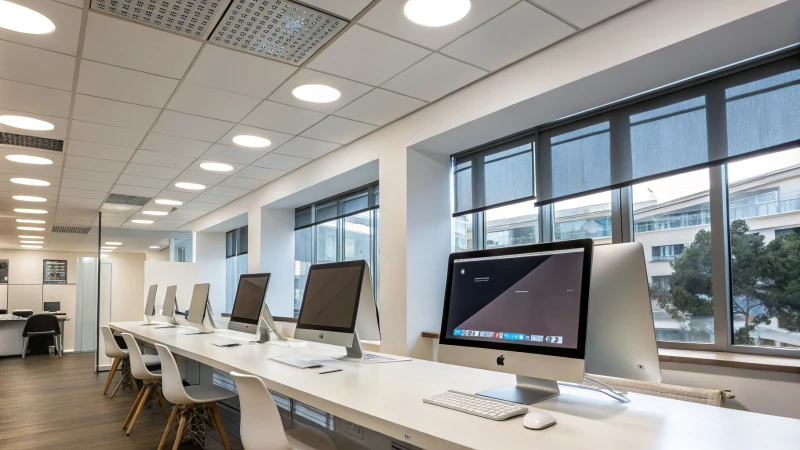
Are you tired of dealing with annoying glare from your lights? I know I am!
Anti-glare lighting refers to fixtures designed to minimize harsh reflections and reduce eye strain, offering a more comfortable visual experience. By utilizing specific technologies and design features, these lights can create a softer, more diffused illumination that enhances visibility without discomfort.
Throughout my journey in the lighting industry, I’ve faced my fair share of glare battles. I remember one late night at the office, squinting at my screen, overwhelmed by the harsh glare from overhead lights. It’s frustrating, isn’t it? Luckily, I discovered the magic of anti-glare lighting. These fixtures are designed to minimize those harsh reflections that make your eyes scream for relief. They create a softer, diffused light that enhances visibility without discomfort, making every space feel more inviting and cozy.
In this article, I’ll dive into the fascinating world of anti-glare lighting, share its many benefits, and offer practical tips on how to effectively reduce glare in your home or workplace. Join me on this journey to brighter, more comfortable spaces!
Anti-glare lighting reduces eye strain and discomfort.True
Anti-glare lighting minimizes harsh reflections, leading to a more comfortable visual experience and less eye strain.
All lighting fixtures are inherently anti-glare.False
Not all lighting fixtures are designed to reduce glare; specific anti-glare features are required for effectiveness.
What Causes Light Glare and How Does It Affect Us?
Have you ever squinted at your computer screen or shielded your eyes from the glaring sun? I know I have! Light glare is a common annoyance that impacts our daily lives more than we might realize. Let’s explore its causes and how it affects our well-being together.
Light glare occurs when there's excessive brightness from sources like sunlight or artificial lights, leading to discomfort and reduced visibility. It affects our vision by causing squinting, temporary blindness, reduced contrast sensitivity, and eye strain, making it essential to understand its causes and impacts.
Main Content: Light glare can feel like an unwelcome intruder in our day-to-day experiences, can't it? It sneaks up on you during a bright afternoon or when you're working under harsh fluorescent lights, making it challenging to focus and even harder to stay comfortable. I remember a time when I was in a meeting, and the sunlight streaming through the windows made it nearly impossible to read my notes without squinting. It’s moments like these that remind us of just how significant glare can be.
Understanding Light Glare
Light glare is caused by excessive brightness that can overwhelm the visual system. It can result from various sources such as direct sunlight, artificial lighting, or reflective surfaces.
When light is too intense, it can create discomfort, hinder visibility, and lead to visual fatigue. This condition can affect anyone, but it is particularly problematic for those who work in environments with harsh lighting conditions.
Some common causes include:
- Direct sunlight: That intense beam of light from the sun can be a major distraction, especially during midday when it's at its peak.
- Artificial lighting: We’ve all experienced it—the blinding brightness of LED lights or poorly positioned fixtures that make us feel like we’re under interrogation.
- Reflective surfaces: Think about those shiny floors or glossy walls; they can bounce light around, amplifying glare in the space.
Understanding these sources can help in mitigating glare effects in workplaces and homes. For more on managing lighting effectively, check out our guide on smart lighting solutions1.
Effects of Light Glare on Vision
Light glare can have several physiological effects on vision and overall eye health:
| Effect | Description |
|---|---|
| Visual Discomfort | Inability to see clearly due to excessive brightness, leading to squinting. |
| Temporary Blindness | Sudden exposure to bright light can cause momentary vision loss. |
| Reduced Contrast Sensitivity | Difficulty in distinguishing objects from their background. |
| Eye Strain | Prolonged glare can lead to discomfort and fatigue in the eyes. |
As someone who spends a lot of time in front of screens, I know firsthand how these effects can disrupt my day. They not only affect my work but also how I engage with the world around me.
Mitigating Light Glare
To address glare-related issues, there are several strategies:
- Window Treatments: Installing shades or blinds can really help control the sunlight flooding into a room.
- Anti-Glare Screens: These screens on computer monitors can reduce that harsh glare and make a world of difference.
- Adjusting Light Sources: Opting for dimmable lights or indirect lighting options can help us create a more comfortable environment.
Implementing these solutions not only boosts comfort but also enhances productivity—something we all strive for in our busy lives. For insights on how energy-saving solutions contribute to reducing glare, explore our energy-efficient lighting options2.
Conclusion on Light Glare Effects
While we won’t summarize here, understanding the causes of light glare and its impact on vision is crucial for maintaining eye health and productivity in various environments. Exploring solutions tailored to specific situations can significantly enhance visual comfort.
For more detailed guidance on improving workplace lighting and minimizing glare effects, consider our comprehensive resources available here3. Let's illuminate our spaces in a way that feels right for us!
Light glare can result from direct sunlight or reflective surfaces.True
Glare often originates from bright sunlight or surfaces that reflect light, impacting visibility.
Artificial lighting never contributes to light glare in workspaces.False
Inadequate positioning or excessive brightness of artificial lights can indeed cause glare issues.
What Are the Different Types of Anti-Glare Lighting Solutions?
Have you ever found yourself squinting under harsh lights, wishing for a reprieve? I know the struggle all too well. Let’s explore the different types of anti-glare lighting solutions that not only brighten our spaces but also protect our eyes from discomfort.
Anti-glare lighting solutions include diffused lighting, directional lighting, indirect lighting, and smart lighting controls. Each type effectively reduces glare while improving visibility and comfort in various environments.

Understanding Anti-Glare Lighting Solutions
Anti-glare lighting solutions are essential in minimizing discomfort and enhancing visibility in various environments. Glare can lead to eye strain and decrease productivity, particularly in workplaces and homes with bright lights. Different types of solutions can be implemented depending on the setting and specific needs.
Types of Anti-Glare Solutions
- Diffused Lighting
One of my favorite methods for combating glare is through diffused lighting. This technique uses fixtures that evenly spread light across a surface, eliminating harsh shadows and creating a soft ambiance. Here are some examples:- Frosted Glass Fixtures: I love how these create a gentle glow that feels warm and welcoming.
- LED Panels: Perfect for offices, these panels emit light uniformly, making the workspace feel more pleasant.
- Light Covers: I’ve seen how customizable light covers can fit seamlessly into existing fixtures, giving them a fresh look.
| Type | Benefits | Use Cases |
|---|---|---|
| Frosted Glass | Reduces harsh light | Residential lighting |
| LED Panels | Energy-efficient, modern design | Commercial offices |
| Light Covers | Versatile, customizable | Home or office settings |
Directional Lighting
If you’re like me and often find yourself focusing on specific tasks, directional lighting can be a game-changer. This type directs light precisely where it's needed while minimizing unwanted spill. A couple of examples include:- Track Lighting: I enjoy adjusting these to highlight artwork or create cozy nooks in my home.
- Recessed Lighting: These fixtures, installed in ceilings, keep light out of sight while illuminating the space effectively.
Indirect Lighting
Indirect lighting has a special place in my heart. It reflects light off walls or ceilings, providing a softer glow that reduces direct glare. I often recommend:- Wall Sconces: These bounce light off walls beautifully, creating an inviting atmosphere.
- Cove Lighting: I’ve used this in my projects to wash ceilings with light without the harsh glare that often accompanies direct sources.
Smart Lighting Controls
In today’s fast-paced world, having smart controls to adjust brightness based on time of day or specific tasks is invaluable. I’ve found these features help immensely in reducing glare when it matters most:- Dimmers: I appreciate how they allow me to easily adjust light intensity to suit my mood or activity.
- Automated Systems: These systems intelligently adjust lighting based on natural light levels, ensuring optimal comfort and visibility throughout the day.
For more information on selecting the right type of anti-glare solutions, check out our comprehensive guide4.
Conclusion
As I’ve learned through years of experience, the world of lighting is evolving rapidly. With so many anti-glare solutions available—from diffused to smart systems—there’s something for everyone. Each option comes with its unique benefits tailored to specific needs. By choosing wisely, we can enhance our lighting experience and significantly reduce those annoying glare effects that we all dread.
Diffused lighting reduces harsh shadows and softens illumination.True
Diffused lighting spreads light evenly, minimizing harsh shadows and creating a softer overall effect, enhancing comfort in various settings.
Smart lighting controls can adjust brightness to reduce glare.True
Incorporating smart controls allows users to modify light intensity based on needs, effectively reducing glare during peak usage times.
How Can I Choose the Right Anti-Glare Lighting for My Space?
Finding the perfect anti-glare lighting can feel overwhelming, but it’s essential for creating a cozy, comfortable environment. Let me share some insights and tips to help you make the best choice for your space!
To choose the right anti-glare lighting, focus on lumen output, beam angles, and color temperature. Aim for fixtures that reduce glare through thoughtful design and proper installation techniques for a more comfortable atmosphere in your home or office.

Choosing the Right Anti-Glare Lighting
Choosing the right anti-glare lighting involves understanding lumen output, beam angles, and color temperature. I’ve learned that selecting fixtures designed to minimize glare not only improves comfort but also enhances my overall mood. It's amazing how the right lighting can transform a room!
Key Factors to Consider
- Lumen Output: The amount of light emitted by a fixture can significantly impact glare. Opt for fixtures that provide sufficient light without excessive brightness.
| Fixture Type | Recommended Lumens |
|---|---|
| Desk Lamps | 300-600 |
| Ceiling Lights | 1500-3000 |
| Wall Sconces | 500-1000 |
Beam Angle: This refers to how concentrated the light is. A wider beam angle can help spread the light more evenly, reducing glare. Look for fixtures with a beam angle greater than 60 degrees for optimal comfort.
Color Temperature: The warmth or coolness of a light can affect how we perceive glare. Warmer color temperatures (2700K-3000K) are generally more comfortable for residential spaces, while cooler temperatures (4000K-5000K) may be suitable for work environments.
- For more insights on color temperature, check out this guide5.
Types of Anti-Glare Lighting Fixtures
- LED Panel Lights: These are excellent for large areas and come with diffusers that help to minimize glare.
- Recessed Lighting: When installed correctly, recessed lights can provide ambient lighting without creating direct glare.
- Task Lighting: Consider using adjustable desk lamps with built-in diffusers to focus light on specific areas without overwhelming brightness.
Installation Tips
Proper installation of lighting fixtures can enhance their anti-glare features:
- Position lights at angles that reflect away from eye level.
- Use dimmers to adjust the brightness according to your needs throughout the day.
- Incorporate natural light by using sheer curtains or blinds to diffuse sunlight.
By following these guidelines, you can significantly improve the lighting quality in your space, reducing glare while enhancing overall visual comfort. For more detailed recommendations, explore our extensive resources on anti-glare solutions6.
Lower lumen output reduces glare in lighting fixtures.True
Fixtures with lower lumen output emit less intense light, effectively reducing glare and enhancing visual comfort in various environments.
Wider beam angles increase light concentration and glare.False
A wider beam angle spreads light more evenly, which helps to minimize glare, contrary to increasing concentration of light.
What Additional Techniques Can Help Minimize Light Glare?
Light glare can turn a cozy space into a discomfort zone, making it hard to focus or even relax. I’ve been there, squinting at my screen or dodging sunlight streaming in at the worst angles. Let’s explore how to reclaim that comfort together!
To minimize light glare effectively, consider using adjustable lighting systems, diffusers, strategic placement of fixtures, anti-glare screens for devices, and appropriate window treatments.
Understanding Light Glare
Light glare is often caused by excessive brightness that can lead to discomfort and visual impairment. To effectively combat glare, it’s essential to first understand its sources, which can include direct sunlight, overly bright artificial lighting, or reflections from surfaces like glass and water.
Techniques to Minimize Light Glare
Here are some techniques I’ve found particularly useful:
Adjustable Lighting: Implementing adjustable lighting systems allows users to control the intensity of light. This has been a game changer for me. In one of my previous projects, I installed smart lighting systems7 that automatically adjust based on the time of day. This not only enhanced the ambiance but also allowed everyone to focus better without the strain of bright lights.
Use of Diffusers: I swear by diffusers! Installing diffusers on light fixtures helps scatter light, reducing harsh contrasts that cause glare. When I added diffusers to my light fixtures, it made such a difference. The harsh contrasts that used to make me squint were gone, replaced by a softer, more pleasant glow.
Type of Diffuser Effectiveness Best Use Case Acrylic Diffuser Moderate General use Fabric Diffuser High Soft lighting Glass Diffuser Very High Elegant settings Strategic Placement of Lights: Have you ever thought about how light placement can make a difference? Positioning lights at angles that minimize direct line-of-sight can significantly reduce glare. I experimented with mounting lights at higher elevations or using wall-mounted fixtures to help direct light away from the eyes.
Anti-Glare Screens: For those of us who live in front of screens, employing anti-glare screen protectors has been a lifesaver. I installed them in my workspace, and it made scrolling through reports and emails so much easier on my eyes.
Window Treatments: Let’s not forget about good old-fashioned curtains and blinds! Utilizing shades or blinds can control the amount of natural light entering a room. Opting for materials that reflect light without sacrificing brightness has helped maintain a comfortable atmosphere.
Innovative Solutions
- Smart Controls: Integrating smart controls into lighting systems was one of the best decisions I made. By programming lights to dim during specific activities like movie nights or intense reading sessions creates an inviting atmosphere while saving energy.
- Color Temperature Adjustments: Using bulbs with adjustable color temperatures can also lessen glare. Personally, I prefer warmer light around 2700K for a soft glow that doesn’t feel harsh at all.
Conclusion: Create a Comfortable Environment
By applying these techniques, we can craft environments that not only feel comfortable but also boost our productivity and enjoyment. It’s about finding what works best for our individual needs and spaces—after all, everyone deserves a glare-free zone where they can thrive!
Adjustable lighting systems can reduce light glare effectively.True
Adjustable lighting allows users to control brightness, minimizing glare based on visual needs and ambient conditions.
Anti-glare screens are ineffective in reducing screen discomfort.False
Anti-glare screens are specifically designed to minimize discomfort from reflections, making them effective for frequent screen users.
Conclusion
Explore anti-glare lighting solutions to reduce eye strain and enhance comfort in various environments through effective strategies and innovative technologies.
Discover effective solutions to manage light glare in your environment and improve visual comfort. ↩
Learn about the physiological effects of light glare on vision and ways to mitigate its impact. ↩
Explore innovative lighting solutions that minimize glare while maximizing energy efficiency. ↩
Explore different anti-glare lighting options to enhance your comfort and productivity in workspaces and homes. ↩
This link provides further insights into the technical aspects of lighting that will help you make informed decisions about anti-glare solutions. ↩
Discover a wide range of anti-glare lighting options tailored for various settings and requirements. ↩
Discover practical strategies and expert tips for reducing light glare in your workspace or home environment. ↩