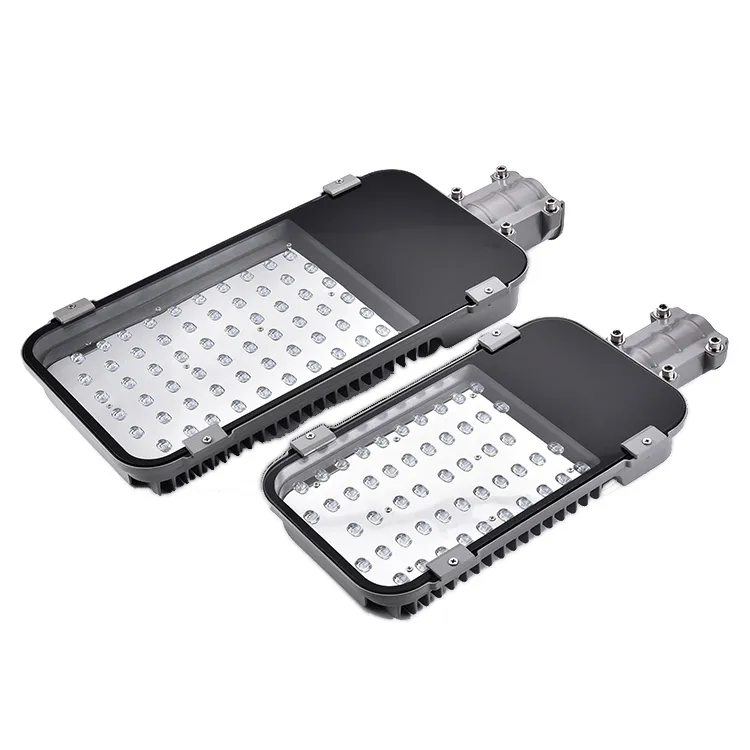
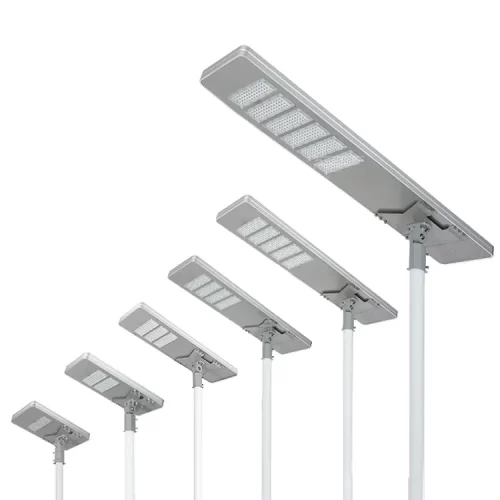
Ever wondered if solar street lights could truly replace traditional ones in terms of power and efficiency?
The actual power of solar street lights ranges from 20W to 200W, with 100W lights providing 10,000 to 12,000 lumens. The power output depends on solar panel wattage and battery capacity, while LED technology increases energy efficiency by up to 80%. Proper matching of components ensures optimal performance for the specific lighting needs.
I remember when I first considered solar street lights for a project. The idea of harnessing the sun’s power was exciting, but I had to figure out if these lights could meet our needs. It turns out that picking the right power level is crucial. You need to consider factors like the area size and traffic. Solar panels and battery capacity play a huge role in performance. With LED technology, these lights are not just bright but also efficient, using less energy to produce more light. Understanding these elements can help illuminate projects more sustainably, ensuring that both the environment and your project's needs are met.
Solar street lights can reach up to 200W.True
Solar street lights range from 20W to 200W, suitable for various areas.
LED technology decreases solar light efficiency.False
LEDs enhance efficiency by maximizing lumens and minimizing energy use.
What Factors Influence the Power of Solar Street Lights?
Ever wondered what makes solar street lights tick? Let's unravel the mystery behind their power and efficiency.
The power of a solar street light is primarily determined by three key components: the solar panel's wattage, the battery's capacity, and the efficiency of the LED lights. Together, these elements dictate how well the lights perform in various conditions and how long they can shine after sunset.

Solar Panel Wattage
I remember the first time I saw a solar panel up close—it was on a visit to a friend’s eco-friendly home. The panels glistened in the sunlight, just waiting to soak up energy. In solar street lighting, the wattage of these panels, ranging from 20W to 200W, is crucial. It’s like choosing the right-sized funnel for water collection; the bigger it is, the more sunlight it can capture and convert into energy.
To ensure optimal performance, panels must be matched with appropriate battery capacities. This balance enables efficient energy storage and night-time illumination. Considerations include geographic location and available sunlight.
- 20W to 40W: Suitable for residential areas.
- 100W to 200W: Ideal for high-traffic roads.
Learn more about solar panel wattage1
Battery Capacity
Think of the battery as your street light's powerhouse or its coffee. Without a strong, well-matched battery, even the most efficient solar panel won't perform at its best. On one project, I realized this when our lights only lasted until midnight—our battery wasn’t up to par with our 100W panel.
Pairing a 100W panel with a 12V, 50Ah battery typically offers about 8 to 12 hours of illumination. This setup ensures your streets stay lit from dusk till dawn without overcharging or undercharging issues.
| Panel Wattage | Battery Voltage | Battery Capacity |
|---|---|---|
| 100W | 12V | 50Ah |
| 150W | 24V | 100Ah |
Explore more about battery capacity2
LED Technology and Energy Efficiency
LEDs have revolutionized how we think about lighting. I recall switching to LEDs at home and marveling at how bright yet cool they were compared to old bulbs. In solar street lights, LEDs enhance energy efficiency significantly—up to 80% more than traditional bulbs!
This technology allows higher lumens at reduced power consumption. As a result, LED-based systems extend battery life and reduce operational costs.
- Efficiency: Maximizes brightness with minimal energy use.
- Durability: Long-lasting, reducing maintenance needs.
Discover LED technology benefits3
Brightness Output (Lumens)
When I think about light output, I picture the difference between a cozy reading lamp and a stadium floodlight. With solar street lights, brightness isn't just about wattage; it's about lumens—the real measure of how much light you’re getting.
A balance between these factors determines how well an area is illuminated. For instance, a 100W solar light might deliver between 10,000 to 12,000 lumens—ideal for streets and public spaces effectively keeping areas well-lit without draining resources.
Solar panel wattage affects light duration.True
Higher wattage panels generate more energy, extending light duration.
LEDs consume more energy than traditional bulbs.False
LEDs are more efficient, using less energy than traditional bulbs.
How Do Solar Street Lights Compare to Traditional Lighting?
Imagine strolling down a street lit by gentle, eco-friendly lights that harness the power of the sun. How do these solar street lights really compare to the traditional ones we’ve all grown accustomed to?
Solar street lights excel in energy efficiency and environmental impact compared to traditional lighting. By utilizing renewable solar energy and modern LED technology, they provide efficient illumination with reduced maintenance costs and lower environmental footprints.

Efficiency and Energy Consumption
Solar street lights harness renewable energy4 from the sun, converting it into electricity using photovoltaic panels. This process significantly reduces dependency on non-renewable energy sources. In contrast, traditional lighting relies on grid power, which often involves fossil fuels.
Thanks to LED technology, solar street lights boast up to 80% energy savings over conventional bulbs. This integration is a game-changer, providing high efficiency while being kinder to our planet.
| Lighting Type | Power Source | Efficiency |
|---|---|---|
| Solar | Solar Panels | High (LED technology) |
| Traditional | Grid Electricity | Moderate to Low |
Cost Analysis
Initially, I hesitated at the higher upfront costs of solar street lights due to components like solar panels and batteries. However, as I dug deeper, I realized that the long-term savings5 from lower electricity bills and maintenance more than compensated for these expenses. Traditional systems might seem cheaper at first, but their ongoing costs can quickly add up.
Maintenance and Lifespan
One thing I appreciate about solar street lights is their durability. They’re designed with fewer moving parts, meaning less maintenance hassle. Plus, the LEDs have an impressive lifespan of up to 50,000 hours, far outlasting traditional bulbs. In contrast, traditional lighting often requires frequent bulb replacements and can suffer from electrical issues, driving up maintenance costs.
Environmental Impact
I’ve always been a fan of solutions that tread lightly on our planet. Solar street lights fit this bill perfectly by reducing carbon emissions through clean solar energy use. When installed correctly with directional lighting features, they don’t contribute to light pollution either.
On the flip side, traditional lighting increases carbon footprints and light pollution due to excessive energy consumption and inefficient light dispersion.
Application Flexibility
One aspect I love about solar street lights is their flexibility. They’re ideal for remote or off-grid areas where traditional infrastructure might not work. This adaptability makes them perfect for rural development projects or disaster relief efforts where quick setup is crucial.
Comparing these features makes it clear that solar street lights are a viable alternative to traditional systems in both urban and rural settings. The choice ultimately hinges on specific project needs and budget constraints.
Solar street lights reduce carbon emissions.True
They use renewable solar energy, unlike traditional lighting relying on fossil fuels.
Traditional lighting systems have lower initial costs.True
They are cheaper upfront but incur higher long-term expenses from energy use.
Why Should You Consider LED Technology in Solar Street Lights?
Ever wondered how those solar street lights are so bright and efficient? Let's dive into the LED technology that makes them shine!
LED technology in solar street lights boosts energy efficiency by up to 80%, cuts maintenance costs, and extends lifespan over traditional lighting. This makes it perfect for sustainable, cost-effective public lighting.
%[A solar street light illuminating a pathway at night.]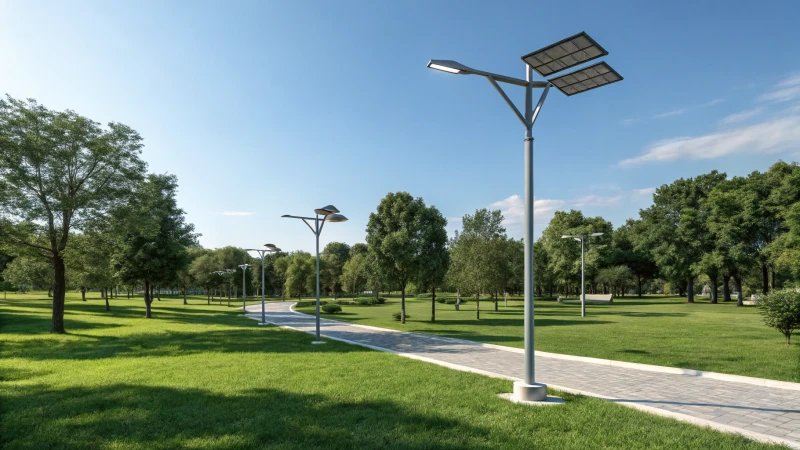
Energy Efficiency and Cost Savings
I remember when I first learned about the incredible efficiency of LED lights in solar street lighting. It was like a light bulb went off—literally! LEDs convert more electricity into light, which means less energy waste. Imagine installing fewer solar panels but still achieving great illumination. This can significantly reduce installation costs. And who doesn’t love saving money?
Additionally, the lower energy consumption means we can use smaller batteries. This further trims expenses related to storage capacity.
| Traditional Lighting | LED Lighting |
|---|---|
| Higher energy use | Up to 80% more efficient |
| Larger batteries needed | Smaller batteries sufficient |
Longer Lifespan and Reduced Maintenance
I once spoke with a friend who manages city infrastructure, and he couldn’t stop raving about LEDs’ long lifespan. Traditional bulbs might need replacing every year, but LEDs can last over 50,000 hours! This longevity is a game-changer for municipalities that are tired of constant maintenance headaches.
Furthermore, LEDs are built tough—they can withstand harsh weather conditions, making them perfect for outdoor settings like street lighting.
Environmental Impact
For someone who’s passionate about the environment like me, the eco-friendly nature of LEDs is a major win. They help cut down carbon emissions by consuming less energy, which reduces our reliance on fossil fuels. And they’re free of harmful substances like mercury, making disposal and recycling much safer.
Embracing LED technology in solar lights6 aligns with sustainable development goals, promoting clean energy and cutting urban carbon footprints.
Enhanced Light Quality
Another personal favorite aspect of LEDs is their superior light quality. I’ve noticed how they provide bright, focused illumination without glare, enhancing visibility and safety on streets. With a higher color rendering index (CRI), colors appear more natural under LED lights—perfect for public areas where safety is a priority.
Better visibility means fewer accidents and a safer community overall, which is something we all want!
With these advantages, LED technology7 isn’t just transforming solar street lights; it’s revolutionizing how we think about urban lighting. It offers economic savings, contributes to ecological balance, and enhances our daily lives. Shifting from traditional lighting to LED systems is not just smart; it’s essential for sustainable urban planning.
LEDs in solar lights reduce energy waste by 80%.True
LEDs convert more electricity into light, minimizing energy waste.
Traditional bulbs last longer than LEDs in street lights.False
LEDs have a lifespan of up to 50,000 hours, much longer than traditional bulbs.
How do I choose the right solar street light for my needs?
When it comes to lighting up the night with solar street lights, the choices can be overwhelming. But don't worry—I've got your back. Let's illuminate this topic together!
Choosing the right solar street light means balancing power range, battery capacity, LED efficiency, and lumen output with your specific needs. Consider where you'll use it and how much light you need to ensure both cost-effectiveness and excellent performance.

Understanding Power Range and Requirements
When I first started exploring solar street lights, the variety in power—from 20W to 200W—seemed like a puzzle. For residential streets or smaller areas, a 20W to 40W light8 is often perfect. In contrast, busier roads or bigger spaces might demand 100W or more. Think about the area you're illuminating—it's like choosing the right size of shoes, too big or too small and it just won't fit!
| Application Type | Recommended Wattage |
|---|---|
| Residential Streets | 20W - 40W |
| High-Traffic Roads | 100W - 200W |
Evaluating Battery and Panel Compatibility
I once installed a solar street light at my office parking lot, and matching the solar panel's wattage with the battery capacity was crucial. A good match can give you between 8 to 12 hours9 of light, enough to keep things visible from sunset to sunrise. Imagine it as pairing a good book with a cozy blanket—perfect harmony.
- Battery Capacity: The more amp-hours (Ah) you have, the longer your light will shine.
- Solar Panel Wattage: Higher wattage panels charge batteries faster, like a quick coffee boost in the morning.
Energy Efficiency Through LED Technology
Switching to LED technology was a game-changer for me. LEDs are up to 80% more efficient10 than traditional bulbs, which means I could enjoy brighter light with lower power bills. It's like swapping out that old clunky phone for a sleek new smartphone.
- Benefits of LEDs:
- Higher lumens per watt mean more brightness for less energy.
- Longer lifespan translates to fewer replacements and less hassle.
Lumen Output: The Real Brightness Indicator
At the end of the day, it's all about lumens when you're looking for brightness. I learned that a 100W solar light11 can provide about 10,000 lumens—enough to feel like a mini sun. Make sure your lumen output meets your area's needs without going overboard, just like seasoning a dish.
- Key Considerations:
- Find a balance between lumens and power use.
- Adjust according to your environment's specific conditions.
Choosing the right solar street light is like crafting your perfect playlist; it requires a balance of different elements that match your needs perfectly. By keeping these factors in mind, you’ll not only save on costs but also ensure your lighting is up to the task.
20W solar lights are best for high-traffic roads.False
High-traffic roads require 100W to 200W solar lights for adequate lighting.
LEDs in solar lights offer 80% more efficiency.True
LED technology provides up to 80% more energy efficiency than traditional lighting.
Conclusion
Solar street lights, powered by efficient LED technology and solar panels, offer sustainable illumination with reduced energy costs, making them a viable alternative to traditional lighting systems.
-
Explore how different wattages impact solar light performance in various environments. ↩
-
Learn how battery capacity affects the duration and reliability of solar lighting. ↩
-
Discover why LED technology is crucial for efficient and durable solar lighting solutions. ↩
-
Exploring this link provides a deeper understanding of renewable energy benefits, supporting the efficiency argument for solar street lights. ↩
-
This link highlights potential cost benefits over time, validating solar lights as a cost-effective solution. ↩
-
Exploring the environmental benefits of LEDs highlights their role in sustainable energy practices. ↩
-
Understanding how LEDs improve energy efficiency can help in choosing the right lighting solutions for cost savings. ↩
-
Learn about optimal wattage for residential areas to ensure adequate illumination without excessive power consumption. ↩
-
Discover how to match solar panels with batteries for efficient energy use and prolonged lighting hours. ↩
-
Explore why LEDs are preferred in solar lighting systems for their efficiency and longevity. ↩
-
Understand how to maximize energy efficiency in your solar lighting systems through smart technology choices. ↩