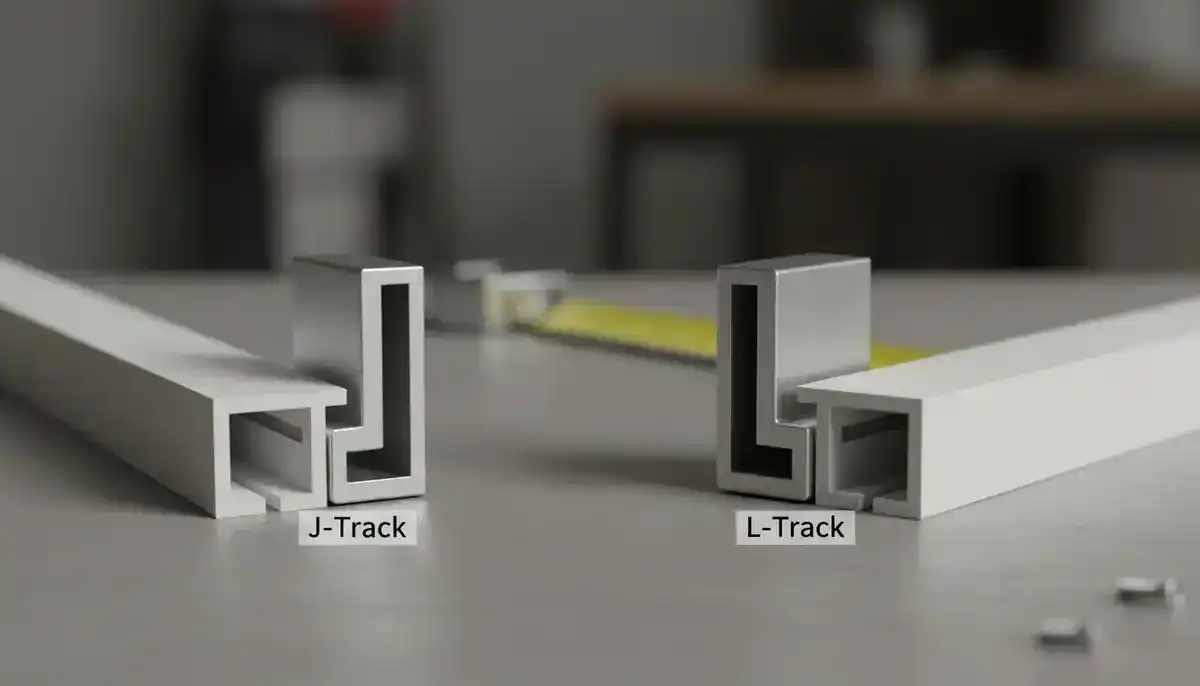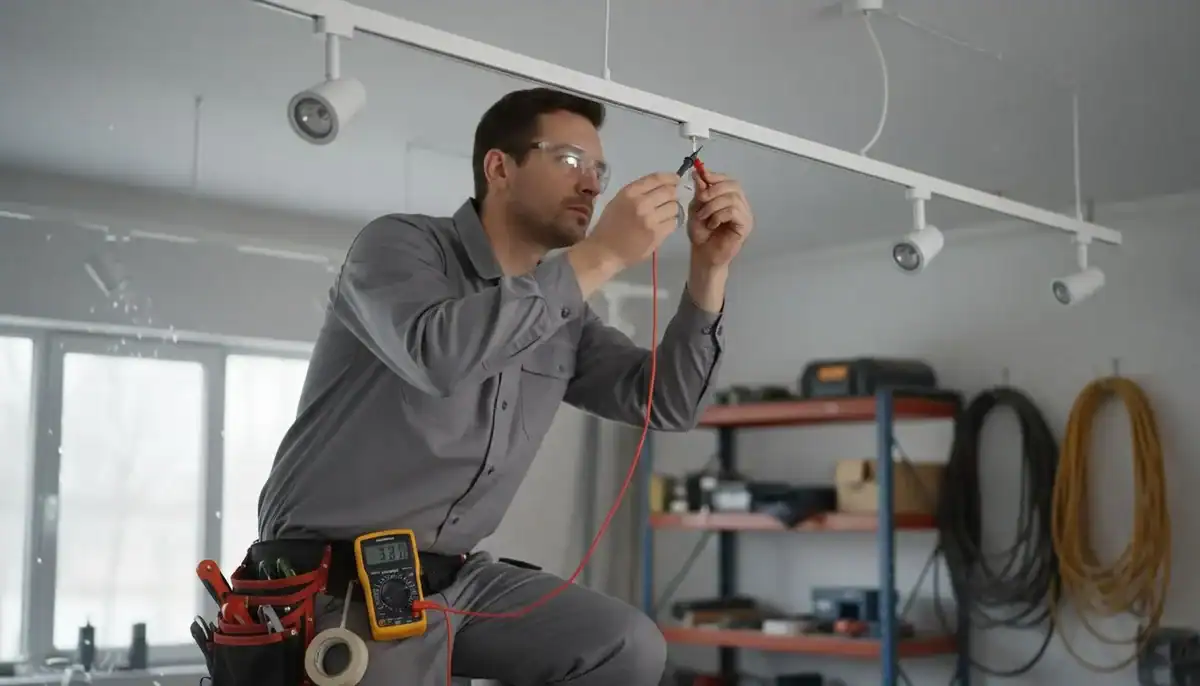

Thinking about installing magnetic track lights but unsure if you need plywood support? You're not alone.
From my experience, magnetic track lights generally don't need plywood support for installation on standard ceilings like drywall. They're designed to be lightweight and easily mounted without heavy-duty reinforcement, unless you're dealing with heavier setups or fragile ceilings.
When I first considered using magnetic track lights, I was just as uncertain about the need for additional support. My ceiling seemed pretty sturdy, but I wanted to make sure I got it right. So, I dug a little deeper. While most installations are straightforward, if you're planning a larger setup or your ceiling isn't as solid as you'd like, you might want to double-check those structural needs. It never hurts to be cautious, especially when it comes to lighting that needs to both shine and stay in place securely.
Plywood is essential for all magnetic track light installations.False
Standard ceilings like drywall don't require plywood for magnetic lights.
Heavy configurations may need plywood support for stability.True
Heavier setups or weaker ceilings might need additional reinforcement.
What Factors Determine the Need for Plywood Support?
Ever wondered if your construction project needs plywood support? Let me share some insights to help you decide.
The need for plywood support hinges on load capacity, span between supports, and the type of structure. Carefully assess these elements to ensure your project is both stable and safe.
%[A busy construction site with workers and wooden supports]
Load Capacity and Weight Distribution
One of the first things I learned in construction was the importance of understanding load capacity. Picture this: you're setting up a new ceiling light fixture, something heavy and grand that makes a statement. If you're like me, you wouldn't want your carefully chosen piece to come crashing down. That's where assessing the total weight, including any live loads, becomes critical. A sturdy plywood support can prevent such disasters, ensuring everything stays beautifully in place.
Span Between Supports
I remember working on a commercial space with vast open areas—imagine trying to cover a football field. The span between beams was so extensive that we needed additional plywood support to avoid any sagging. It’s crucial to evaluate these distances because longer spans mean more potential for failure without proper reinforcement.
| Distance (ft) | Plywood Thickness (inches) |
|---|---|
| 8 | 0.5 |
| 10 | 0.75 |
| 12 | 1.0 |
Type of Structure and Use
Different projects, different needs—right? Whether it’s a temporary exhibition or a permanent installation in your home, the structure type dictates the kind of support you’ll need. I’ve found that lightweight materials might suffice for temporary setups, but permanent ones demand more robust solutions. And let's not forget aesthetics; in residential environments1, visible plywood may not be welcome.
Environmental Conditions
Living in areas with high humidity, like basements, has taught me the hard way that untreated plywood can rot quickly. That's why I always recommend treated plywood for such environments. It's also worth considering sustainable materials2 if you're aiming for an eco-friendly project.
Manufacturer Recommendations
I can't stress enough how important it is to consult manufacturer guidelines. I’ve seen projects where not following these guidelines led to structural failures and warranty issues. Manufacturers provide essential insights into whether additional support is necessary based on the product specifications3, ensuring compliance and safety.
By taking these factors into account, you can make informed decisions about when plywood support is necessary, keeping your construction projects safe and efficient.
Longer spans require thicker plywood for support.True
Longer spans can cause sagging; thicker plywood prevents this.
Plywood is always required in temporary structures.False
Temporary structures often use lightweight materials, not always plywood.
How Does the Weight of Fixtures Affect Installation?
Have you ever wondered how the weight of a light fixture could change your entire installation plan?
Fixture weight is a key player in installation success. Heavier fixtures call for reinforced support, while lighter ones are more forgiving. Always evaluate your mounting surface and stick to manufacturer guidelines for a safe, hassle-free setup.
%[A technician installing a large light fixture in an industrial space]
Understanding Fixture Weight and Installation Needs
I've had my fair share of surprises when it comes to lighting installations. One time, I was all set to hang this stunning, albeit hefty chandelier in my dining room, only to realize my ceiling couldn't handle it without some serious reinforcement. That's when I learned that the weight of a light fixture isn't just about aesthetics—it's about safety and practicality too. Heavy fixtures like chandeliers need robust support, often requiring reinforced beams or special mounts. In contrast, lighter fixtures such as LED track lights can usually be mounted on standard drywall ceilings with minimal hassle.
| Fixture Type | Typical Weight | Recommended Support |
|---|---|---|
| Chandelier | 20-50 lbs | Reinforced beam |
| LED Track | 1-5 lbs | Standard drywall |
| Pendant | 5-15 lbs | Ceiling joist |
The Role of Mounting Surfaces
Mounting surfaces can make or break your installation plans. Picture this: installing a heavy fixture on a drywall ceiling without proper support is like trying to park a truck on a bicycle rack—not a good idea. However, if you're working with concrete or wooden surfaces, they usually offer the sturdy support needed without additional reinforcements.
Manufacturer Guidelines and Compliance
I can't stress enough the importance of adhering to manufacturer guidelines4. Think of them as the recipe for a perfect lighting setup—following them ensures your installation is safe and compliant with all necessary standards. These guidelines specify the type of support you need, helping you avoid costly mistakes or safety hazards.
Calculating Load Capacity
Calculating load capacity might seem like math class all over again, but it's crucial. Imagine planning a lavish dinner party only to realize halfway through that your table can't hold all the dishes—nightmare! By calculating the total weight of all fixtures and comparing it with your ceiling's maximum load capacity, you can make informed decisions and ensure everything stays in place safely.
Case Study: Commercial Installations
When it comes to commercial installations, the stakes are even higher. I've seen how multiple fixtures can weigh down an entire setup if not handled correctly. Working with professional installers who understand commercial lighting systems5 ensures that both aesthetics and safety are top priorities, providing peace of mind and stunning results.
Heavy fixtures need reinforced support for installation.True
Heavy fixtures, like chandeliers, require reinforced beams for safety.
Lightweight fixtures can be installed on any surface without support.False
Lightweight fixtures need suitable surfaces; drywall may suffice but not all.
Can Magnetic Track Lights Be Installed on All Ceiling Types?
I remember the first time I saw those sleek, magnetic track lights in a showroom—my imagination went wild with possibilities! But I wondered, could they be installed on any ceiling type?
Magnetic track lights can be installed on most ceilings, like drywall and existing tracks, without extra plywood. However, heavier setups or less sturdy ceilings might need some reinforcement.
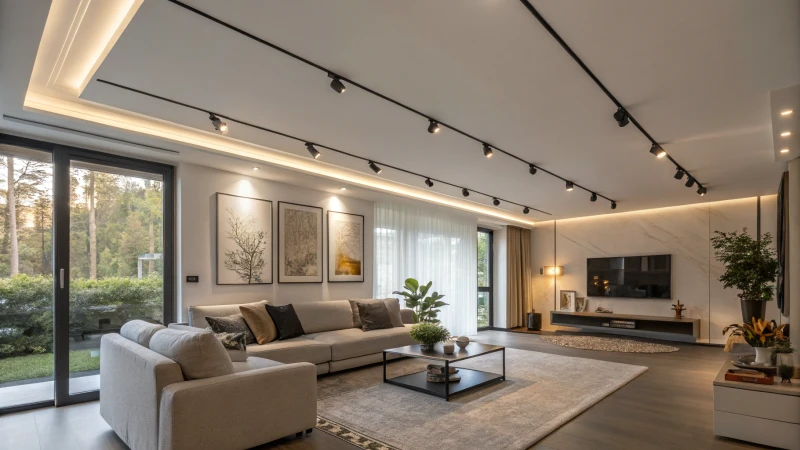
Understanding Ceiling Material Compatibility
From that showroom visit, I quickly realized these lights could fit into almost any space. Their design is incredibly versatile, adapting to various ceiling materials:
- Drywall: The most common ceiling type. Its lightweight nature makes it a perfect match for magnetic track systems.
- Concrete: A bit more challenging, but nothing a good drill can't handle. It offers a solid base once installed.
- Suspended Ceilings: These may need a little extra support to ensure everything stays in place without sagging.
Factors Affecting Installation
There were a few nights where I laid awake considering all the factors:
- Weight of the Fixtures:
- Most are lightweight enough for easy installation.
- For the heftier designs, think of it like hanging a heavy picture frame—it might need a bit more support.
- Ceiling Structure:
- Some ceilings require slight tweaks for safety.
- Getting advice from a professional can be reassuring and ensures everything is up to code.
When Plywood or Reinforcement is Needed
| Ceiling Type | Reinforcement Needed? |
|---|---|
| Drywall | Rarely |
| Concrete | Sometimes |
| Suspended Ceilings | Often |
| Wood Paneling | Sometimes |
Installation Tips
It's all in the details, as I’ve learned with every project:
- Secure the track firmly to prevent any surprises.
- Consider smart lighting controls6 to boost efficiency and control.
- For larger spaces, like in commercial settings, integrating building management systems7 can save time and money.
Best Practices for Installation
Over time, I’ve picked up a few tricks of the trade:
- Always verify the load capacity before diving in.
- Use the right anchors and tools tailored to your ceiling material.
- Check out those manufacturer guidelines8 so you don’t accidentally void warranties or cause damage.
By understanding these factors and consulting with professionals when necessary, I’ve found magnetic track lights to be incredibly adaptable for both home and business projects. This flexibility has made them a staple choice in my lighting toolkit.
Magnetic track lights can be installed on drywall ceilings.True
Drywall is a popular choice, easily supporting magnetic track lights.
Concrete ceilings always require reinforcement for track lights.False
Concrete may need specialized tools but not always reinforcement.
What are the benefits and drawbacks of magnetic track lighting?
Have you ever wondered if magnetic track lighting is the right fit for your space? It’s sleek, modern, and full of potential, but it does come with its quirks.
Magnetic track lighting is an attractive choice due to its easy installation, customizable layouts, and energy efficiency. However, it may involve higher initial costs and compatibility challenges with pre-existing systems.
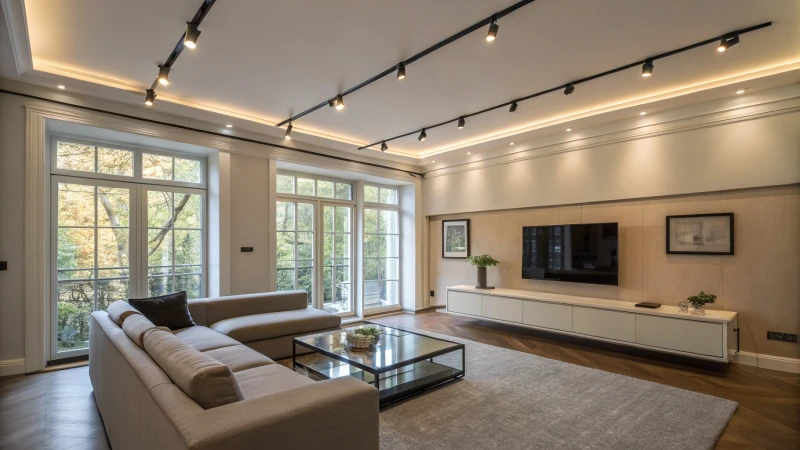
When I first explored magnetic track lighting, I was drawn to its elegance and adaptability. The ability to customize layouts meant I could finally illuminate my space exactly how I wanted. No more one-size-fits-all approach—this was personalized lighting at its best.
Benefits of Magnetic Track Lighting
Easy Installation: The first time I installed a magnetic track, I couldn’t believe how straightforward it was. The magnetic fixtures snapped right onto the track without the need for drilling into drywall or making structural changes. This was a game-changer for retrofitting older systems9, saving both time and labor costs.
Customizable Layouts: I loved how easily I could adjust the position and angle of each fixture. This flexibility allowed me to create unique lighting designs10 that truly enhanced the ambiance of my living room, making it feel like a personal art gallery.
Energy Efficiency: With LED technology built into many of these systems, I noticed a reduction in my energy bills almost immediately. It’s a great way to contribute to a greener planet while enjoying long-lasting lighting.
| Benefit | Description |
|---|---|
| Easy Installation | Quick setup with minimal structural changes |
| Customizable Layouts | Adjustable fixtures for tailored designs |
| Energy Efficiency | Utilizes LED technology for lower energy use |
Drawbacks of Magnetic Track Lighting
Higher Initial Costs: My excitement was slightly dampened when I realized the upfront costs were higher than traditional systems. The components are specialized and not always easy to find, especially if you live outside major cities.
Compatibility Issues: In my older home, integrating these new tracks wasn’t as seamless as I hoped. Some tweaks were necessary to fit them into existing setups, which meant consulting with lighting experts11.
Limited Design Variety: While the sleek design appealed to my minimalist taste, I understood why others might find the options limited. The fixtures fit a modern aesthetic but may not suit every decorative preference.
| Drawback | Description |
|---|---|
| Higher Initial Costs | Greater upfront investment for components |
| Compatibility Issues | May require modifications to existing systems |
| Limited Design Variety | Fewer aesthetic options compared to traditional |
After weighing these pros and cons, I found magnetic track lighting to be a worthwhile investment for those who prioritize innovation and style. For anyone considering a switch, magnetic track lighting12 offers a modern solution that combines functionality with aesthetics, though it’s important to plan for potential challenges.
Magnetic track lighting is energy efficient.True
It uses LED technology, reducing energy consumption and enhancing lifespan.
All existing systems are compatible with magnetic tracks.False
Compatibility issues may arise, especially in older buildings needing modifications.
Conclusion
Magnetic track lights typically don't require plywood support for standard ceilings. However, heavier setups or fragile ceilings may need reinforcement for safe installation.
Discover how residential settings influence the decision to use plywood for aesthetic and functional purposes. ↩
Learn about eco-friendly options that can replace conventional plywood in environmentally conscious projects. ↩
Find detailed product specifications and guidelines from manufacturers that aid in proper installation practices. ↩
Learn about how different fixture weights influence installation requirements, including necessary structural reinforcements. ↩
Discover best practices for installing commercial lighting systems, focusing on safety and efficiency. ↩
Discover how smart lighting controls reduce energy costs and enhance functionality. ↩
Learn how integrating lighting with building management systems optimizes energy use. ↩
Find manufacturer guidelines to ensure safe and effective installation. ↩
Retrofitting existing systems can save on installation costs and provide energy efficiency. ↩
Explore innovative lighting designs that maximize the aesthetic potential of your space. ↩
Learn how to seamlessly integrate new lighting technology into existing setups. ↩
Find out more about various magnetic track lighting options available on the market. ↩