
Choosing the right LED track light wattage is like finding the perfect balance between ambiance and energy efficiency.
When picking LED track lights, prioritize lumen output over wattage. Wattage shows energy consumption, while lumens indicate brightness. Generally, a 10W to 20W LED is ideal for basic lighting, whereas 25W to 40W suits task lighting or larger spaces.
I remember the first time I tackled a commercial lighting project. The endless options felt overwhelming until I realized focusing on lumen output rather than wattage was key. Lumens measure brightness, not watts. This shift in perspective was a game-changer, especially for larger spaces needing 25W to 40W lights for tasks, while smaller areas thrived under 10W to 20W. Understanding this difference not only enhanced the ambiance but also optimized energy efficiency. So, whether you're illuminating a cozy nook or a sprawling showroom, always consider the lumens for the best results.
LED wattage directly measures brightness.False
Wattage measures energy use, not brightness; lumens measure brightness.
10W LED lights are suitable for general lighting.True
10W to 20W LED lights typically provide sufficient brightness for general use.
How Does Wattage Affect LED Track Light Brightness?
Ever stood in an aisle, overwhelmed by lightbulb choices? Let's unravel the mystery of LED track light brightness and wattage.
Wattage impacts LED track light brightness by indicating energy usage, but brightness is better measured by lumens. Generally, higher wattage leads to more lumens, yet LED efficiency varies.
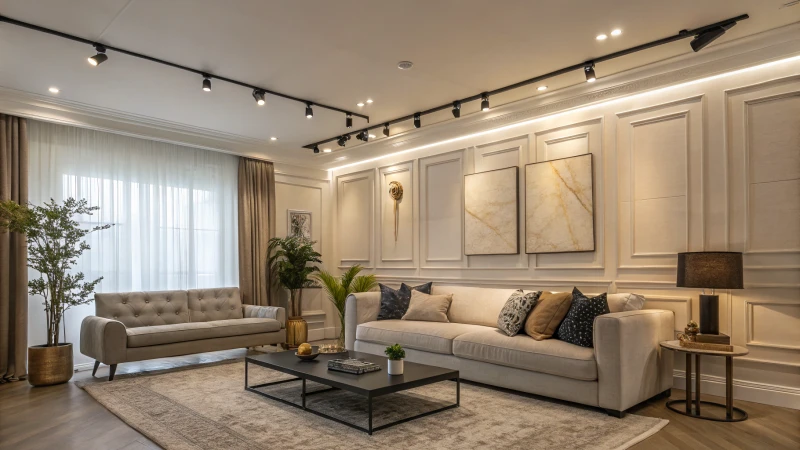
Understanding Wattage and Lumen Relationship
I remember standing in the lighting aisle of a big store, staring at boxes labeled with wattages and lumens, feeling utterly confused. It wasn't until I dove into some research that things started to click. Wattage is about energy consumption, while lumens tell you about the actual brightness. Unlike those old-school bulbs where a higher wattage meant more light, LEDs are like the magic of technology1 — they can give you more light with less energy.
| Wattage | Typical Lumens |
|---|---|
| 10W | 800-1000 lm |
| 20W | 1600-2000 lm |
| 30W | 2400-3000 lm |
So, when you're picking out LED track lights, focus on the lumen output if you want to get the brightness right.
Energy Efficiency Considerations
I’ve always been keen on saving energy — both for my wallet and the planet. LEDs are champions here. A 10W LED can shine as bright as a 60W incandescent bulb, which is pretty awesome. This means lower electricity bills and a smaller environmental impact2. For commercial spaces, it's all about striking a balance between watts and lumens to keep things bright without burning through energy.
Application-Specific Wattage Choices
When it comes to choosing wattage, think about what you're lighting up. In my home office, a 10W to 15W LED does the trick for ambient lighting. But for larger spaces like conference rooms3, you might need 25W or more. It's all about finding what fits your space best.
The Role of Dimmability
I've found dimmable LED track lights to be a game-changer. They let me tweak the brightness depending on what I'm doing — from a cozy evening in to a bright morning meeting. If your space requires varying light levels, like in retail or art displays, dimmable LEDs offer that flexibility without swapping out fixtures.
Factors Affecting Brightness Perception
Ever noticed how two rooms with the same amount of light can feel so different? That's because factors like color temperature and beam angle come into play. For instance, a cool white light at 5000K can feel brighter than a warm white at 2700K, even if they're both giving off the same lumens.
Adding smart controls is another neat trick — it makes life easier by letting you adjust settings remotely or set up automatic schedules. Look for options that blend smart features with energy-efficient design4 for a modern setup.
Taking these insights into account will help you choose the best LED track lights, ensuring you get the brightness you want while keeping things energy-efficient and budget-friendly. Don’t hesitate to reach out to experts or use online tools to tailor your choice to your specific needs.
LEDs can produce more lumens at lower wattage than incandescent bulbs.True
LED technology allows for high lumen output with less energy consumption.
Higher wattage always means brighter LED lights.False
Brightness is measured in lumens, not wattage, for LED lights.
Why Should You Care More About Lumens Than Wattage?
Have you ever found yourself squinting under dim lighting, wondering if there's a better way to brighten your space without ramping up your energy bill?
Focusing on lumen output over wattage is crucial because lumens measure the actual brightness of a light, while wattage only indicates energy use. With LEDs, you can achieve high brightness with lower wattage, leading to energy efficiency and cost savings.
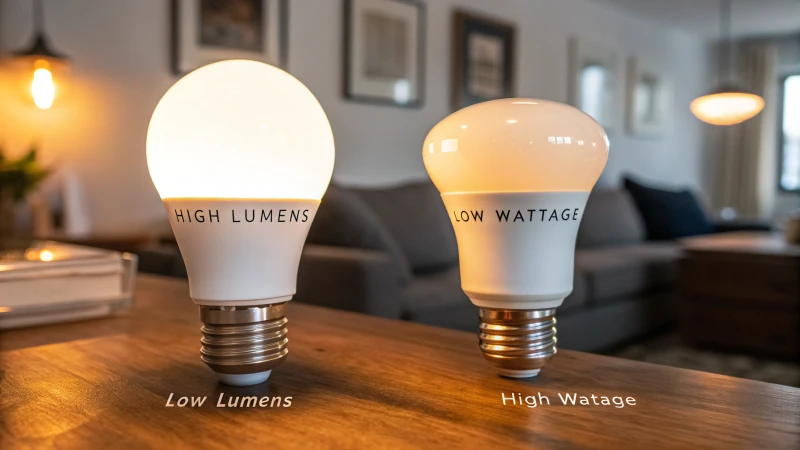
Understanding Lumens and Wattage
You know, back in the day, I used to think a 100-watt bulb was my go-to for a bright room. More watts meant more light, right? Well, turns out that's not entirely true with today's technology. So, what do lumens and wattage really mean? Lumens are all about brightness—the light you actually see—while wattage just tells us how much energy a bulb is using. In our modern world of LED technology5, where efficiency is king, those two metrics have taken on entirely different roles.
| Metric | What It Measures | Relevance |
|---|---|---|
| Lumens | Brightness of the light | Determines how well a space is lit |
| Wattage | Energy consumption | Impacts electricity costs |
Why Lumens Outshine Wattage
I remember swapping out my old incandescent bulbs for LEDs a few years ago. I couldn't believe how much brighter my living room felt without increasing my electricity bill! That's the magic of focusing on lumens. LEDs are designed to maximize brightness per unit of energy—imagine a 10-watt LED shining just as brightly as a 60-watt incandescent bulb. It's like getting more bang for your buck!
This efficiency is evident in the lm/W ratings6 you might see on packaging, which highlights the number of lumens produced per watt consumed. It's not just about saving money—it's about living smarter and more sustainably.
Practical Applications of Focusing on Lumens
In my line of work, where we deal with commercial projects, getting the lighting right is more than just flipping a switch. It's about creating spaces where people want to be. Whether it's highlighting product displays in retail stores or setting the right mood in an office, focusing on lumens allows for better functionality and aesthetics without unnecessary energy use.
For example, I once worked on a showroom project where high lumen output was crucial to make the cars gleam under showroom lights without skyrocketing the energy bill. This approach not only made the space look fantastic but also kept operational costs in check.
So while wattage still tells us something about energy use, it's lumen output that should guide your decisions for a brighter, more efficient environment—especially in spaces where performance and ambiance matter most.
Lumens measure the brightness of a light source.True
Lumens quantify the total visible light emitted, indicating brightness.
Higher wattage always means brighter light.False
LEDs can produce more lumens with less wattage than incandescent bulbs.
Why Choose Dimmable LED Track Lights?
Imagine being able to set the perfect mood at home or in your business with just a touch! Dimmable LED track lights make it possible by blending energy efficiency with sleek design.
Dimmable LED track lights offer flexibility, energy savings, and a cozy ambiance. They let you adjust brightness to fit different moods and settings, save energy, and prolong bulb life, all while enhancing your space's aesthetic appeal.
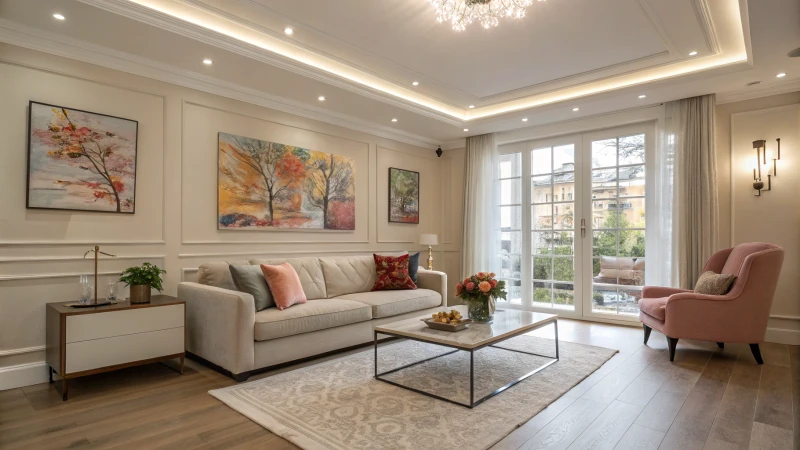
Versatility in Lighting Design
I remember setting up a little gallery wall at home, and it was amazing how dimmable LED track lights transformed the space. Just like choosing the perfect frame for a picture, these lights allow you to adjust brightness and highlight different features according to the mood or task. This kind of flexibility is a game-changer in retail environments7, where each product deserves its spotlight to shine.
Energy Efficiency
When I first switched to dimmable LEDs, I was thrilled to see my energy bills drop. It's not just about saving money—though that's a huge perk—but also knowing I'm making an eco-friendly choice. These lights consume less electricity when dimmed, which is not only good for my wallet but also for the planet. For businesses looking to cut operational costs without compromising on quality, these lights are a smart pick.
Enhancing Ambiance
Setting the right mood can completely transform a space. I love hosting dinner parties, and dimmable LEDs have become my secret weapon for creating that warm, inviting glow in the dining room. Whether it's a cozy night in or a lively gathering, the ability to adjust lighting levels lets me tailor the ambiance perfectly.
| Scenario | Lighting Requirement | LED Benefit |
|---|---|---|
| Retail Store | Highlighting products | Adjustable brightness |
| Conference Room | Presentation clarity | Reduced glare |
| Home Dining | Intimate dinners | Warm, dimmed lighting |
Prolonged Bulb Life
One of the unexpected benefits of dimmable LEDs is their long lifespan. Since I started using them, I've had to replace bulbs far less frequently, which is great because I can't stand dealing with that chore! Lowering the intensity means less wear and tear on the bulbs themselves.
Practical Applications
The uses for dimmable LED track lights are endless:
- Retail Stores: Showcase products with precision lighting.
- Offices: Create focused workspaces with adaptable light levels.
- Homes: Transition seamlessly from bright task lighting to soft ambient light.
These lights aren't just about utility; they're about crafting an experience. Whether you're designing a chic retail space or just trying to find the right vibe for your living room, these versatile solutions offer something special. And if you're keen on taking it up a notch, integrating smart controls can add even more flexibility in your lighting systems8.
Dimmable LED track lights save energy by 50%.True
Dimming reduces power consumption, lowering energy use and costs.
LED track lights can't be used in retail stores.False
They are ideal for retail, offering adjustable lighting for displays.
How do you choose the right wattage for your space?
Ever stood in the lighting aisle, overwhelmed by wattage choices? I've been there! Let's tackle this together and find the perfect glow for your space.
Choosing the right wattage depends on room size, purpose, and fixture. For general lighting, 10W-20W often suffices; task lighting might need 25W-40W. Remember, focus on lumens for brightness, not just watts.
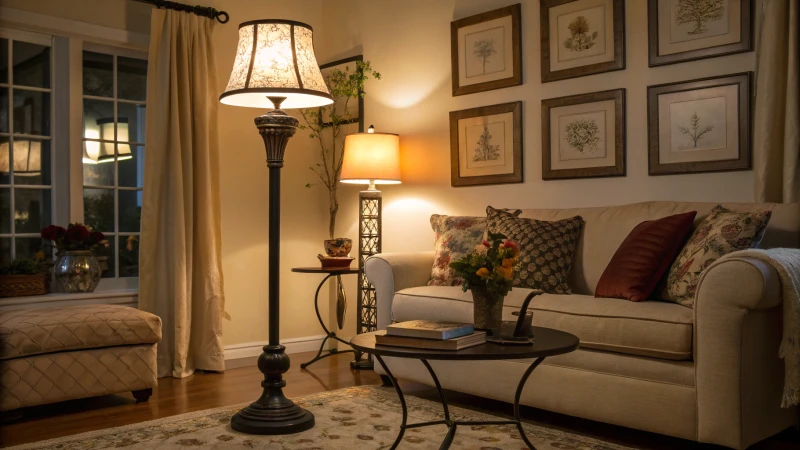
Understanding Wattage and Lumens
I remember the first time I tried to choose a light bulb. I was standing in the store, staring at a wall of options, utterly lost. It was then I learned that wattage isn't about brightness but energy use. It's the lumens that count when it comes to how bright your space will be.
Here's a handy guide I found useful:
| Wattage (LED) | Lumen Output |
|---|---|
| 10W | 800-1000 |
| 20W | 1600-2000 |
| 40W | 3200-4000 |
Room Size and Purpose
I've found that different spaces in my home call for different lighting needs. A cozy bedroom? A lower wattage bulb around 10W-15W does the trick. But for those kitchen adventures, a bit more light with 15W-25W makes everything so much easier. And when hosting in the living room, bulbs with 25W or more really set the mood.
- Small spaces (e.g., bathrooms): Opt for bulbs around 10W-15W.
- Medium spaces (e.g., kitchens): Use bulbs ranging from 15W-25W.
- Large spaces (e.g., living rooms): Consider bulbs of 25W or more.
Efficiency and Energy Saving
Switching to LED lights was one of the best decisions I made for both my wallet and the planet. They use less energy while providing plenty of light, which means lower electricity bills without compromising on brightness. It's all about making smart choices, like opting for LED options9 that balance efficiency with quality.
Adjustability and Dimmability
I love having dimmable lights—they're perfect for creating the right atmosphere at any time of day. Whether it's a quiet evening at home or a lively dinner party, adjusting the light levels can make all the difference. Check out fixtures that work with smart dimmers10 for even more control.
Task Lighting vs. Ambient Lighting
Different activities need different lighting levels. For instance, my reading nook requires a focused, brighter light—higher wattage around 25W-40W—to keep me engaged in my favorite novels. Meanwhile, ambient lighting in the living room is all about coziness and warmth, with a moderate wattage between 10W-20W.
- Task Lighting: Aim for higher wattage (25W-40W).
- Ambient Lighting: Keep it moderate (10W-20W).
By evaluating your specific lighting needs, you can tailor your choices to ensure each room is perfectly illuminated and energy-efficient without overspending. Mixing various lighting types helps create a harmonious and inviting environment throughout your home or workspace.
Higher wattage means brighter light.False
Wattage measures energy use, not brightness. Lumens indicate brightness.
LEDs provide more lumens per watt than traditional bulbs.True
LEDs are more energy-efficient, offering higher lumen output per watt.
Conclusion
Understanding LED track light wattage is crucial for achieving optimal brightness and energy efficiency. Focus on lumen output rather than wattage to select the right lighting for your space.
Explore how LED technology achieves high efficiency, producing more light with less energy. ↩
Learn about the environmental benefits of using energy-efficient LED lighting solutions. ↩
Find guidance on selecting appropriate wattage for illuminating large spaces effectively. ↩
Discover how integrating smart controls with efficient design enhances lighting system performance. ↩
Discover how LED advancements contribute to energy efficiency and brighter lighting solutions. ↩
Learn how lm/W ratings help compare bulb efficiency and performance. ↩
Discover how dimmable LEDs enhance product displays by adjusting lighting intensity. ↩
Explore how smart controls can offer greater flexibility and efficiency in lighting systems. ↩
LEDs offer energy savings and longer lifespan compared to traditional lighting. ↩
Explore options to control lighting levels easily with smart dimmers. ↩