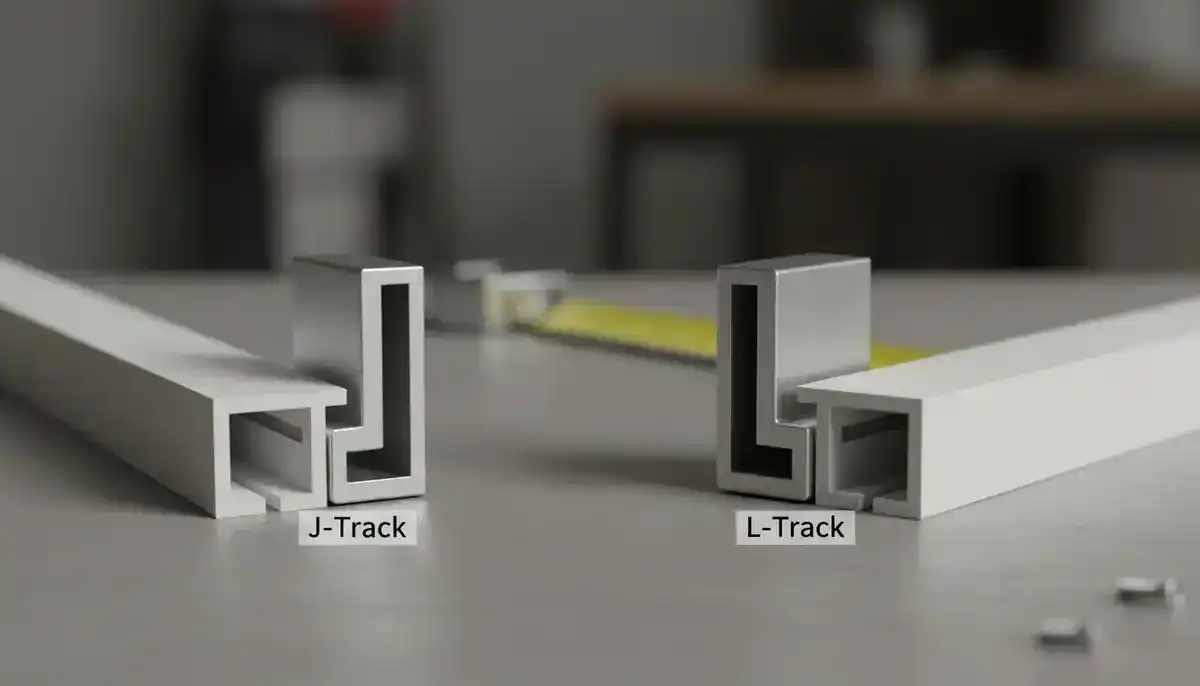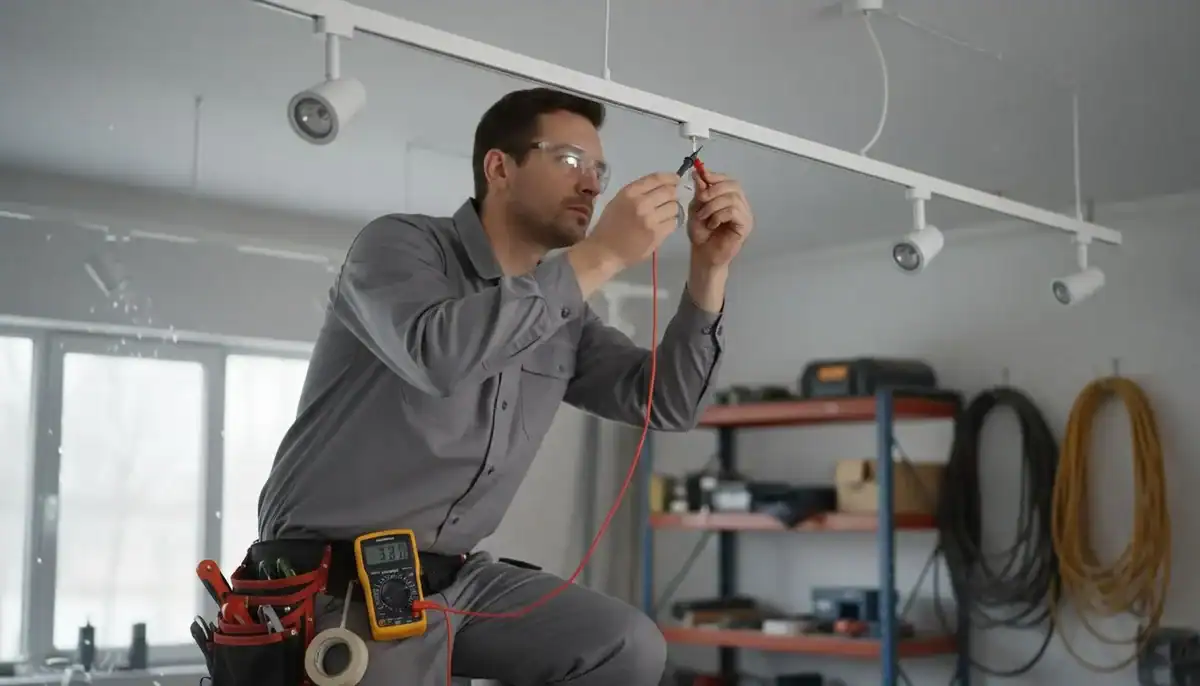

I remember the first time I tried installing magnetic track lighting—it felt like solving a puzzle with a thousand pieces.
To efficiently connect a magnetic track, start by ensuring all components are compatible. Securely install the track base and correctly manage power connections. Align magnetic connectors first, set up the power supply next, and finally, attach the light fixtures.
The process might seem straightforward at first, but trust me, there are little tricks and tips that make a huge difference. Imagine this: You're aligning the connectors, and suddenly it clicks—literally! Each phase has its own nuances, and I've learned them through trial and error. Let's dive deeper into each step, so you can sidestep the common pitfalls and maybe even enjoy the process as much as I do now.
Magnetic tracks require no tools for installation.False
Tools are needed for securing the track base and managing power connections.
Aligning connectors is the first step in connecting a magnetic track.True
Proper alignment ensures a seamless connection and efficient setup.
What Tools Do You Need for Installation?
Ever been in the middle of a project only to realize you're missing a crucial tool? It's a nightmare!
For any installation, you’ll need essentials like a drill, screwdriver set, and measuring tape. Depending on your project, tools such as wire strippers or a multimeter might be necessary too.
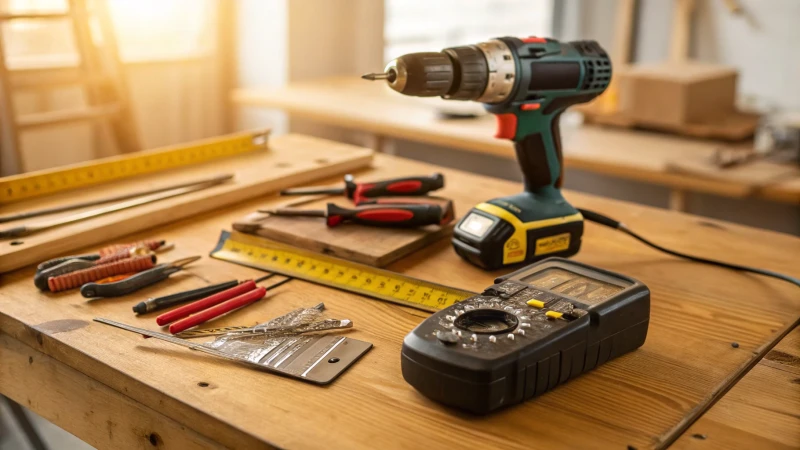
Essential Basic Tools
I remember when I first attempted to install my own shelving unit; the moment I realized I needed more than just my trusty hammer was a game-changer. Here's a quick checklist1 of tools that have since become staples in my toolkit:
| Tool | Purpose |
|---|---|
| Drill | For making holes |
| Screwdriver Set | Tightening or loosening screws |
| Measuring Tape | For accurate measurements |
These tools are like old friends now—reliable and always ready to help tackle any project that comes my way.
Specialized Tools for Different Installations
I've learned the hard way that not all installations are created equal. Each one demands its own set of special tools. For example, when I first took on an electrical project, I discovered the necessity of having wire strippers2 and a multimeter. Flooring projects, meanwhile, called for tools like a flooring cutter and rubber mallet—tools I had to rush out and buy last minute!
- Electrical Work: You may need wire strippers3, a multimeter, and insulated pliers to handle wiring safely.
- Flooring: A flooring cutter and rubber mallet could be essential when installing laminate or hardwood floors.
Understanding the unique demands of your specific project will help you gather the right tools.
Safety Equipment
Safety first, always. Whether it’s goggles, gloves, or a hard hat, these are non-negotiable for me. And if you’re venturing into electrical work, those insulated gloves4 could be lifesavers.
Equip yourself with safety goggles, gloves, and a hard hat when necessary. For electrical installations, use insulated gloves5 to prevent electric shocks.
Organizing Your Tools
A cluttered workspace is my personal kryptonite. Keeping tools organized with a tool belt or toolbox has saved me hours of searching for misplaced items. Plus, it keeps the frustration levels low and the productivity high.
An often overlooked aspect of installation is tool organization. Use a tool belt or toolbox to keep everything within reach. This not only saves time but also prevents losing crucial items in the middle of a task.
Additional Considerations
I've learned that having the right tools is just part of the equation. Ensuring compatibility—like using the correct connectors for magnetic track installations—is equally crucial. Always double-check that all components work well together and refer to trusted manufacturer manuals6 for guidance.
While tools are vital, consider other aspects such as ensuring track compatibility when installing lighting systems. Magnetic track installations require specific connectors aligned with the track type, ensuring seamless connection and stability in commercial setups.
A drill is essential for making holes in installations.True
Drills are commonly used to create holes, a fundamental step in many installations.
Wire strippers are unnecessary for electrical installations.False
Wire strippers are crucial for safely handling and preparing wires in electrical work.
How can I ensure compatibility among components?
Ever found yourself stuck with incompatible components while setting up a new system? I've been there, and it's frustrating! Let me guide you through ensuring everything works together seamlessly.
To ensure compatibility among components, always start by reviewing manufacturer specifications and compatibility charts. Verify that parts adhere to industry standards and perform thorough testing post-assembly to confirm smooth operation.
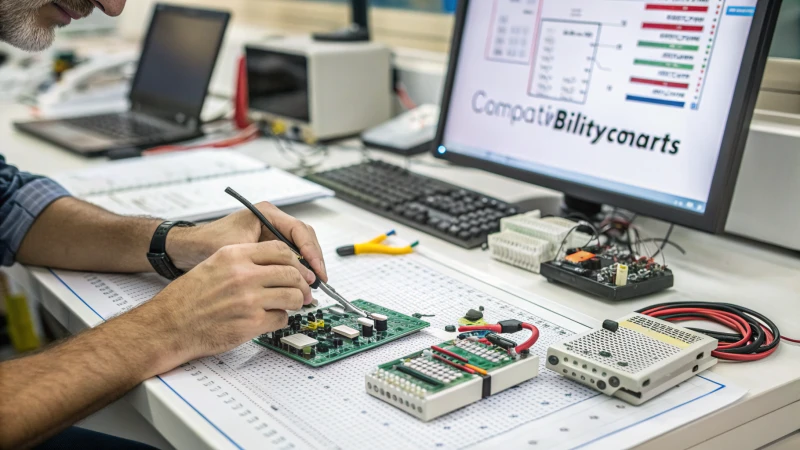
Understand Component Specifications
Imagine you're piecing together a puzzle. Each piece has to fit perfectly, right? That's exactly how I felt assembling my first computer. I realized the CPU and motherboard's socket types needed to match, or else it was like trying to fit a square peg in a round hole. Manufacturer compatibility charts7 became my best friend.
Use Industry Standards
Think of industry standards like universal languages. Whether it's lighting systems or computer parts, these standards ensure everything speaks the same language. I learned this when setting up a lighting system; the magnetic tracks and connectors had to follow specific configurations, much like RAM must match the motherboard's frequency.
| Component Type | Standard | Example Compatibility |
|---|---|---|
| CPU | Socket Type | AM4, LGA1200 |
| RAM | DDR Version | DDR4, DDR5 |
| Lighting Track | Wire Config | 2-wire, 3-wire |
Conduct Compatibility Tests
I remember the thrill of finally assembling my setup. But the real test came when I had to ensure everything ran smoothly under stress. Running those stress tests felt like taking my new car for a spin to see if it could handle highway speeds. For lighting systems, it was all about checking every segment's alignment and connection.
Consider Software and Firmware
Hardware is just one side of the coin. I learned the hard way that outdated software can bring a system to its knees. Ensuring drivers and firmware are up-to-date became a crucial part of my routine, especially when dealing with demanding components like GPUs.
Seek Expert Advice
When in doubt, don't go it alone. I found solace in community forums and expert advice. There's something comforting about knowing others have faced similar challenges and can offer solutions related to component compatibility8.
By understanding specifications, sticking to standards, conducting thorough tests, considering software, and seeking guidance when needed, I've managed to avoid many headaches with compatibility issues. It's like having a safety net, ensuring my projects come together without a hitch.
CPU socket type must match the motherboard's socket.True
A CPU will not fit or function unless it matches the motherboard's socket type.
RAM frequency is irrelevant to motherboard compatibility.False
RAM frequency must align with what the motherboard supports for optimal performance.
What Mistakes Should You Avoid to Keep Things Running Smoothly?
Ever found yourself tangled in a web of miscommunications and mismatched tools? You're not alone. Here's how I learned to navigate these common pitfalls.
Avoid common mistakes by ensuring clear communication, verifying tool compatibility, and following established guidelines. Proactively addressing these areas helps prevent issues before they arise.

Missteps in Communication
You know those days when you think you've explained something perfectly, only to find out later that everyone understood it differently? That was me once—too many times, actually. Assuming everyone is on the same page is a surefire way to derail any project9. So, now I make it a point to confirm clarity through feedback, often opting for face-to-face meetings over email for anything complex.
- Assuming Understanding: Never assume your message is understood. Always confirm clarity through feedback.
- Over-relying on Email: While convenient, email can lead to misunderstandings. Consider face-to-face meetings or video calls for complex discussions.
Overlooking Compatibility
Have you ever started assembling a piece of furniture only to find one bolt doesn't fit? I’ve been there, too. In technical projects, ignoring compatibility can be just as frustrating. I've learned to always check software versions and hardware connector types before diving in. Regular updates and standardizing components save so much hassle.
| Aspect | Mistake | Solution |
|---|---|---|
| Software | Ignoring version mismatches | Regular updates |
| Hardware | Overlooking connector types | Standardize components |
| Materials | Mixing incompatible brands | Verify all components match |
Ignoring Established Guidelines
Skipping guidelines might seem like a shortcut, but trust me, it's a quick path to trouble. I once faced a project halt due to overlooked compliance issues. Now, adhering to regulatory and safety protocols is a non-negotiable part of my routine.
- Regulatory Compliance: Neglecting legal requirements can result in fines or project halts.
- Safety Protocols: Failing to follow safety measures increases the risk of accidents.
Lack of Thorough Planning
I'll admit, I'm guilty of jumping into projects with excitement but without enough planning. It didn’t take long to realize that poor resource allocation and risk assessment could lead to delays and challenges I hadn’t anticipated. Now, I ensure strategic thinking and regular reviews are part of my project checklist.
- Resource Allocation: Misjudging resource needs leads to delays.
- Risk Assessment: Overlooking potential risks can cause unforeseen challenges.
Implementing these lessons has helped me create an environment where potential mistakes are minimized, leading to successful outcomes and effective team collaboration10. By staying informed and proactive, we can all dodge those common missteps that trip us up along the way.
Assuming understanding is a common communication mistake.True
Always confirm clarity through feedback to avoid misunderstandings.
Ignoring guidelines often leads to project success.False
Skipping guidelines can result in significant issues and failures.
How Can You Optimize Energy Efficiency with Magnetic Tracks?
Have you ever wondered how magnetic tracks can transform energy efficiency in your projects? Let me take you through a journey of discovery.
To optimize energy efficiency with magnetic tracks, focus on ensuring component compatibility, secure installation, proper power connections, and strategic fixture placement. These steps help maximize performance while minimizing energy consumption.

Understanding Magnetic Track Systems
When I first came across magnetic track systems, I was amazed by their versatility. Imagine a lighting setup11 where you can effortlessly move fixtures to focus light exactly where it's needed, drastically cutting down on energy usage. This is not just about saving money—it's about smart sustainability. And then there's the transport side, like maglev trains that glide silently without the friction of traditional rail systems. The energy savings here are nothing short of revolutionary.
Ensuring Component Compatibility
Before diving into an installation, I've learned the hard way how crucial it is to ensure every component aligns perfectly. Think of it like assembling a puzzle where every piece must fit flawlessly. Whether it's a 2-wire or 3-wire system, matching the brand or model saves countless headaches and prevents inefficiencies.
| Component | Type | Compatibility Check |
|---|---|---|
| Track | 3-wire | Yes |
| Connectors | 3-wire | Yes |
| Fixtures | LED | Yes |
Secure Installation Techniques
Mounting the track securely is something I can't stress enough. Once, during a project with high ceilings, using adjustable suspension kits made all the difference in achieving both stability and optimal light distribution. These small steps ensure no energy is wasted.
Optimizing Power Connections
Connecting the power supply might sound mundane, but trust me, getting it right enhances both safety and efficiency. Ensuring the wiring meets local standards not only avoids future issues but also guarantees every watt is used wisely.
Strategic Fixture Placement
There's an art to placing fixtures along these magnetic tracks. It's about creating an adjustable and targeted lighting system that focuses light precisely where you need it. This approach not only optimizes energy use but also transforms spaces in ways I hadn't imagined possible until I saw it in action.
Exploring Advanced Applications
If you're as intrigued by innovative transport solutions as I am, you'll appreciate how magnetic tracks in maglev trains minimize friction, leading to unprecedented energy efficiency compared to traditional rail systems. For those interested in diving deeper into this technology's potential, check out this detailed resource12.
Magnetic tracks reduce energy use in lighting systems.True
They allow targeted lighting, minimizing wasted energy by focusing light.
Incompatible track components increase energy efficiency.False
Incompatibility causes inefficiencies, leading to increased energy consumption.
Conclusion
Learn how to efficiently connect magnetic track lighting by ensuring compatibility, securing installations, managing power connections, and strategically placing fixtures for optimal energy efficiency.
A checklist ensures you have all necessary tools before starting, reducing interruptions. ↩
Choosing high-quality wire strippers improves efficiency and safety in electrical installations. ↩
Choosing high-quality wire strippers improves efficiency and safety in electrical installations. ↩
Insulated gloves protect against electric shocks, ensuring your safety during electrical tasks. ↩
Insulated gloves protect against electric shocks, ensuring your safety during electrical tasks. ↩
Manufacturer manuals provide accurate guidelines for proper and safe installation practices. ↩
Consulting compatibility charts ensures the correct pairing of CPUs and motherboards, preventing system failures. ↩
Exploring forums can highlight common mistakes and provide solutions for compatibility issues. ↩
Learn about effective communication strategies to prevent misunderstandings and improve project outcomes. ↩
Discover techniques to enhance team collaboration and achieve project goals efficiently. ↩
Understand how magnetic tracks enhance flexibility and efficiency in lighting setups. ↩
Discover how maglev trains use less energy compared to traditional rail systems. ↩